
How to Start a Successful Blog Without a Niche
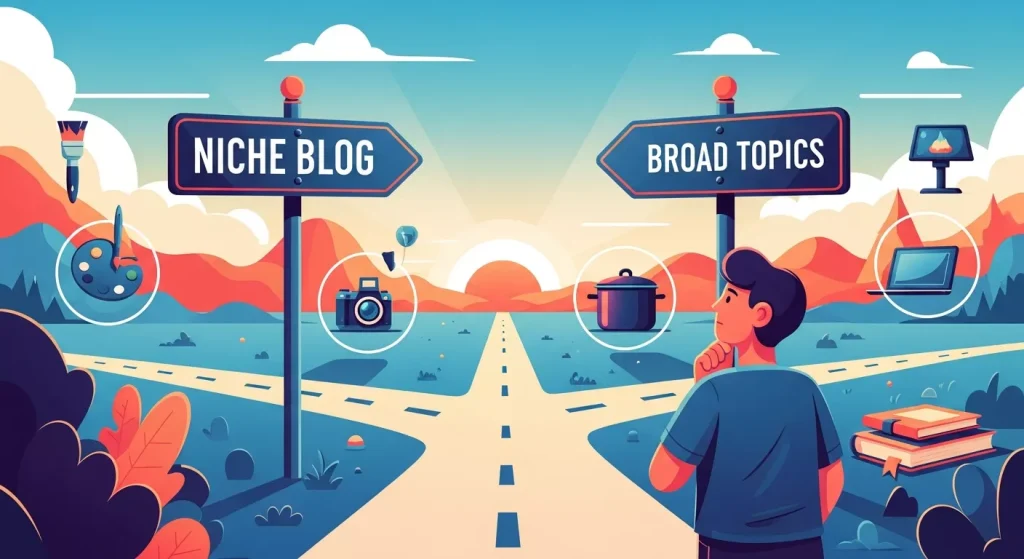
Starting a blog without a niche allows creative freedom while building a personal brand. With structured categories, strong SEO, consistent content, and diverse monetization strategies, bloggers can grow traffic, engage audiences, and create a flexible, sustainable platform across multiple interests.
For years, the loudest advice in the content creation space has been to “niche down.” Experts claim that to build an audience and appease search engine algorithms, you must focus entirely on a single, hyper-specific topic. But what happens if your interests cannot be confined to just one subject?
Many aspiring writers abandon their platforms before they even begin because they cannot decide on a single focus. They feel paralyzed by the pressure to choose between their passion for personal finance, their love of travel, and their knack for home cooking. The good news is that you do not have to choose. You can build a thriving, profitable platform that reflects your diverse interests.
Blogging without a niche—often referred to as a lifestyle or personal brand blog—allows you the creative freedom to write about what inspires you on any given day. It prevents burnout, keeps your content fresh, and allows you to pivot naturally as your life changes.
Why the Traditional Niche Advice is Flawed

The internet is filled with highly specialized websites. While focusing on a narrow topic can help a site rank faster for specific keywords, it can also trap the creator. Writing about the exact same subject for years often leads to creative fatigue. When the creator gets bored, the content quality drops, and the audience eventually leaves.
A nicheless blog relies on a different core mechanism: the creator’s unique personality and perspective. Instead of visiting your site just for a recipe or a tech review, readers come back for you. By focusing on building a strong personal brand, you create a dedicated community that trusts your recommendations across various categories.
Steps to Start Blogging Without a Niche
Building a broad site requires a bit more structural planning than a hyper-focused one. Follow these steps to ensure your platform remains organized, user-friendly, and optimized for search engines.
Step 1: Define Your Core Audience
Even if your topics are broad, your target audience should share common traits. Think about the overarching theme that ties your interests together. Are you writing for busy working parents trying to balance career, healthy eating, and budget travel? Are you targeting young professionals interested in personal development, fitness, and side hustles? Defining a “target reader” rather than a “target topic” provides the cohesive glue your site needs.
Step 2: Choose 3 to 5 Main Categories
Writing about anything and everything will confuse your readers. Instead, select three to five broad pillars to focus on. For example, your categories might be Wellness, Finance, Travel, and Productivity. This structure allows you the freedom to explore diverse subjects while giving your website a logical, organized hierarchy.
Step 3: Pick a Broad or Name-Based Domain
When you do not have a specific niche, your domain name needs to be flexible. Avoid names like BudgetTravelHacks.com if you also plan to write about dog training and meal prep. The best approach is often using your own name (e.g., JaneDoe.com) or a creative, brandable phrase (e.g., TheDailyJane.com). This ensures you never outgrow your URL.
Step 4: Organize Your Site Navigation
A clear menu is crucial for a multi-topic website. When a visitor lands on your homepage, they should instantly understand how to find the content that interests them. Use your 3 to 5 main categories as your primary menu tabs. Implement a clean, well-structured homepage that features recent posts from each category, guiding users smoothly to their preferred subjects.
Step 5: Optimize for Long-Tail Keywords
Since your site lacks the topical authority of a highly specialized blog, ranking for broad terms will be difficult initially. Combat this by targeting long-tail keywords—highly specific search phrases with lower competition. Instead of trying to rank for “budget travel,” write a post optimized for “how to save money on a weekend trip to Chicago.” This strategy brings targeted traffic to individual posts, regardless of your site’s overall niche.
Step 6: Create Pillar Content for Each Category
To show search engines that you have authority in your chosen categories, you need pillar posts. These are comprehensive, in-depth articles that cover a fundamental aspect of your category. If one of your categories is “Productivity,” a pillar post might be “The Ultimate Guide to Time Blocking for Remote Workers.” You can then link smaller, related posts back to this main pillar, creating a strong internal linking structure.
Building a Strong Personal Brand
When you blog without a niche, your personal brand becomes your biggest asset. Readers are not just coming for information—they are coming for your voice, perspective, and personality. To build a strong brand, maintain a consistent tone, style, and visual identity across your content. Share personal experiences, opinions, and stories that reflect who you are. This helps create a deeper emotional connection with your audience. Over time, your name or blog identity becomes recognizable, making it easier to expand into different topics without losing credibility or trust among your readers.
Content Planning and Consistency
Managing multiple topics requires a well-structured content plan. Without a niche, it is easy to lose direction or publish randomly. Creating a monthly or weekly content calendar helps maintain balance across your categories. Rotate topics strategically so each category gets consistent attention. This not only improves organization but also signals reliability to your audience. Consistency in posting builds trust and keeps readers engaged. Even if you explore different subjects, maintaining a steady publishing schedule ensures your blog continues to grow and retain returning visitors over time.
To strengthen your content planning, consider batching your work by creating multiple posts in advance for each category. This approach reduces stress and ensures you never run out of content ideas. Using tools like editorial calendars or simple spreadsheets can help track deadlines, topics, and publishing dates efficiently. It is also helpful to analyze your blog performance regularly to understand which topics resonate most with your audience. Based on this data, you can adjust your content plan and focus more on high-performing categories while still maintaining variety.
Additionally, setting realistic posting goals is crucial. Overcommitting can lead to burnout, especially when managing multiple topics. Start with a manageable schedule and increase frequency only when you are confident in maintaining quality. Consistency does not mean posting daily—it means showing up regularly with valuable content your audience can rely on. Over time, this disciplined approach builds authority, strengthens your brand, and encourages long-term audience loyalty.
SEO Strategy for Multi-Topic Blogs
Search engine optimization is still essential, even without a niche. Focus on building authority within each category by creating clusters of related content. Use internal linking to connect posts within the same topic, forming strong content silos. Target long-tail keywords that match specific user intent rather than broad competitive terms. Optimize titles, meta descriptions, and headings for each post. Over time, as you publish more content within each category, your blog gains credibility in multiple areas. This approach allows you to rank for diverse topics while maintaining search engine visibility and steady organic traffic growth.
Monetization Strategies for Diverse Content
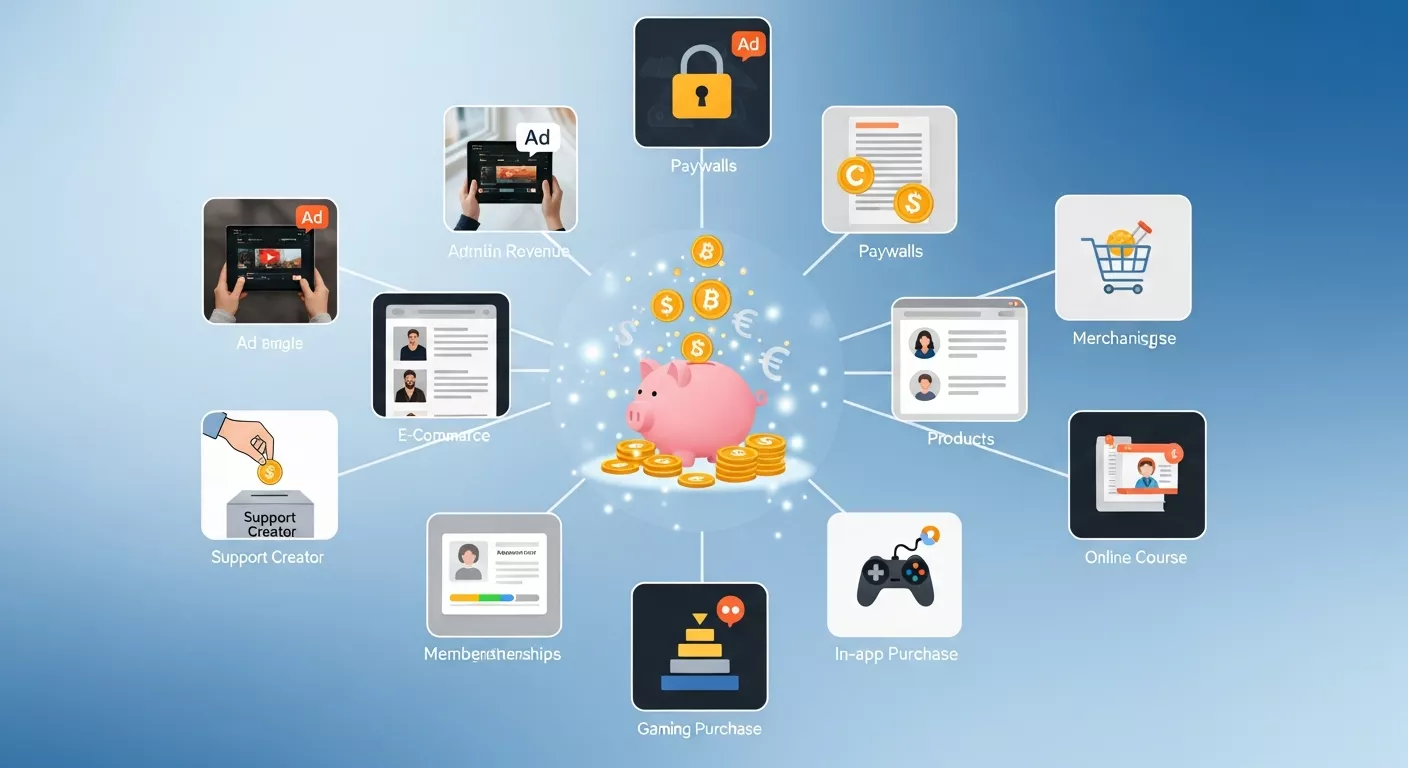
A blog without a niche offers multiple monetization opportunities because it appeals to a broader audience. You can earn through display ads, affiliate marketing, sponsored content, and digital products. Each category opens new income streams—for example, travel gear affiliates, finance tools, or wellness products. Creating your own products like ebooks or courses based on popular topics can further boost income. Diversifying monetization reduces dependency on a single revenue source and increases long-term sustainability. With the right strategy, a multi-topic blog can be just as profitable, if not more, than a niche-focused website.
Frequently Asked Questions
Starting a multi-topic platform comes with unique challenges. Here are detailed answers to the most common questions about nicheless blogging.
1. Can you really make money without a niche?
Absolutely. Monetization for a multi-topic platform typically relies on a diversified income stream. You can earn through display advertising, affiliate marketing (promoting products you use across your different categories), and sponsored posts. Because you cover multiple areas, you actually have a wider pool of brands you can pitch for sponsorships compared to a hyper-specific site.
2. How do I organize a blog with multiple topics?
The key is a strict categorization system. Limit yourself to a maximum of five main categories. Use a clean theme that highlights these categories clearly on the homepage and in the top navigation menu. Utilize tags sparingly to connect related sub-topics. Your goal is to ensure that a reader looking for a specific topic can find it within two clicks from your homepage.
3. Will Google penalize my site for lacking a niche?
Google does not explicitly penalize sites for having multiple topics. However, search engines rely on topical authority to rank websites. If you write about a dozen unrelated things, Google struggles to understand what your site is an authority on. You overcome this by building “silos”—tightly interlinked clusters of content within your broad categories—which signals expertise to search algorithms.
4. How do I find an audience for a lifestyle blog?
Focus heavily on Pinterest and social media in the beginning. People on Pinterest search for specific solutions, from recipes to workout routines. By creating visually appealing pins for your diverse content, you can attract readers to individual posts. Once they land on your site, use an engaging writing style and a compelling “About Me” page to convert them into long-term followers of your personal brand.
5. What domain name should I choose for a broad blog?
Using your first and last name is often the safest and most flexible choice. If you prefer not to use your real name, choose a brandable phrase that evokes a feeling or a lifestyle rather than a specific topic. Words like journal, life, daily, hub, or collective work well when paired with descriptive adjectives.
6. How do I transition to a niche later if I want to?
One of the best reasons to start without a niche is that it acts as a testing ground. If you notice your articles on personal finance are driving 80% of your traffic and revenue, you might naturally decide to focus solely on that. You can easily pivot by phasing out the other categories, hiding older irrelevant posts, and rebranding your homepage to reflect your newly discovered niche.
7. How often should I post if I cover multiple categories?
Consistency is more important than frequency. However, to build authority across multiple topics, you need content volume. Aim to publish at least one high-quality post per week. Ideally, try to rotate your categories so that each of your main pillars receives fresh content at least once a month.
8. What are the best monetization strategies for a nicheless blog?
Display ads (like Mediavine or Raptive, once you have enough traffic) are excellent because they monetize pageviews regardless of the topic. Affiliate marketing is also highly effective; you can recommend finance apps in your money section, luggage in your travel section, and cooking tools in your recipe section.
9. How do I build an email list with diverse content?
Offer a “choose your own adventure” sign-up form, or segment your list based on how the user opted in. If someone signs up via a travel post, tag them as “travel interested.” You can send a general weekly newsletter featuring your latest posts, but use your tags to send specific promotional emails only to the segments most likely to buy or click.
10. Can I use social media to drive traffic to different topics?
Yes, but tailor the platform to the topic. Use Pinterest for recipes, crafts, and travel. Use LinkedIn or Twitter for career advice, productivity, and finance. Use Instagram or TikTok for behind-the-scenes lifestyle content that ties all your interests together under your personal brand.
Take the First Step Today
The fear of choosing the wrong topic stops countless talented writers from ever publishing their first word. By embracing a multi-topic approach, you remove that barrier entirely. You give yourself the permission to explore your interests, test different content formats, and discover what truly resonates with both you and your readers.
Your unique combination of interests is your biggest asset. Start setting up your platform, outline your main categories, and write that first post. The only way to find your voice and build your audience is to begin.