Zero-Click Searches : Keep Blog Traffic From Disappearing
Zero-Click Searches change how readers discover information, making it essential for publishers to earn visibility, build demand, diversify acquisition, and convert attention beyond organic clicks.
For years, organic website traffic has been one of the most important indicators of SEO success. Businesses published informative articles, improved keyword rankings, earned backlinks, and attracted visitors from search engines. The underlying assumption was simple: when someone searched for information, they needed to visit a website to find the answer. However, modern search engines are increasingly changing that behaviour.
Today, users can discover definitions, explanations, business information, product comparisons, and answers directly within search results. Featured snippets, knowledge panels, local results, calculators, instant answers, and AI-generated summaries can satisfy certain search needs without requiring another website visit. These experiences have changed the relationship between search visibility and website traffic.
This development has made Zero-Click Searches an important consideration for website owners, content marketers, publishers, and SEO professionals. A website may appear in search results, provide information that influences a decision, and contribute to brand discovery without receiving a direct click. Consequently, traditional traffic-focused SEO measurements no longer explain the complete value of organic visibility.
Google’s AI Overviews and AI Mode have added another dimension to this development. Users can explore more complicated questions through generated summaries and supporting references, sometimes without immediately opening an external page. A growing number of searches now involve discovering information within the search experience itself rather than using search engines exclusively as gateways to websites.
For publishers, the challenge is not simply to recover every lost click. It is to understand which searches still create valuable traffic, which search experiences influence customers without visits, and how to build reasons for people to engage directly with a brand.
A blog should provide something worth exploring beyond the information already displayed in search results. Original research, detailed comparisons, practical examples, expert analysis, downloadable resources, and useful tools can create that additional value.
Understanding Zero-Click Searches allows businesses to adapt their content strategies around modern discovery behaviour. Instead of measuring success through organic visits alone, marketers can combine search visibility, brand recognition, qualified traffic, engagement, leads, and revenue to build a more sustainable digital presence.
What Are Zero-Click Searches?
Zero-Click Searches occur when someone performs a search but does not click through to an external website during that search interaction. The user may find the information they need directly within the search engine results page or decide to continue exploring within the same platform.
For example, someone searching for the current time in London may receive an immediate answer. Another person searching for a basic mathematical calculation may see the result directly in Google. A customer looking for a company’s phone number may find it through a business information panel.
In these situations, the search has successfully fulfilled the user’s immediate need without generating a traditional website visit.
Zero-Click Searches do not necessarily indicate that a website has lost rankings or become less relevant. Sometimes, the information displayed directly in search results comes from external sources. A website may influence the answer even when the user never opens its page.
This distinction is important because search engines increasingly serve several purposes simultaneously. They help people discover websites, understand information, compare options, locate businesses, and complete certain actions.
How the Zero-Click Search Experience Works
Traditional search behaviour often follows a straightforward journey:
- A user enters a query.
- The search engine displays relevant website results.
- The user selects a result.
- The website provides the requested information.
- The visitor may explore additional pages or complete an action.
Zero-Click Searches introduce another possible journey:
- A user enters a query.
- The search engine interprets the information need.
- A direct answer, summary, knowledge panel, or relevant search feature appears.
- The user obtains enough information without visiting an external website.
- The interaction ends or continues through another search.
The second journey reduces the requirement for a website visit when the original question can be answered directly.
However, it does not eliminate opportunities for publishers. People may still need detailed explanations, supporting evidence, specialized guidance, product information, or help making decisions.
The opportunity is to create content that provides value beyond the initial answer.
Why Zero-Click Searches Are Becoming More Common
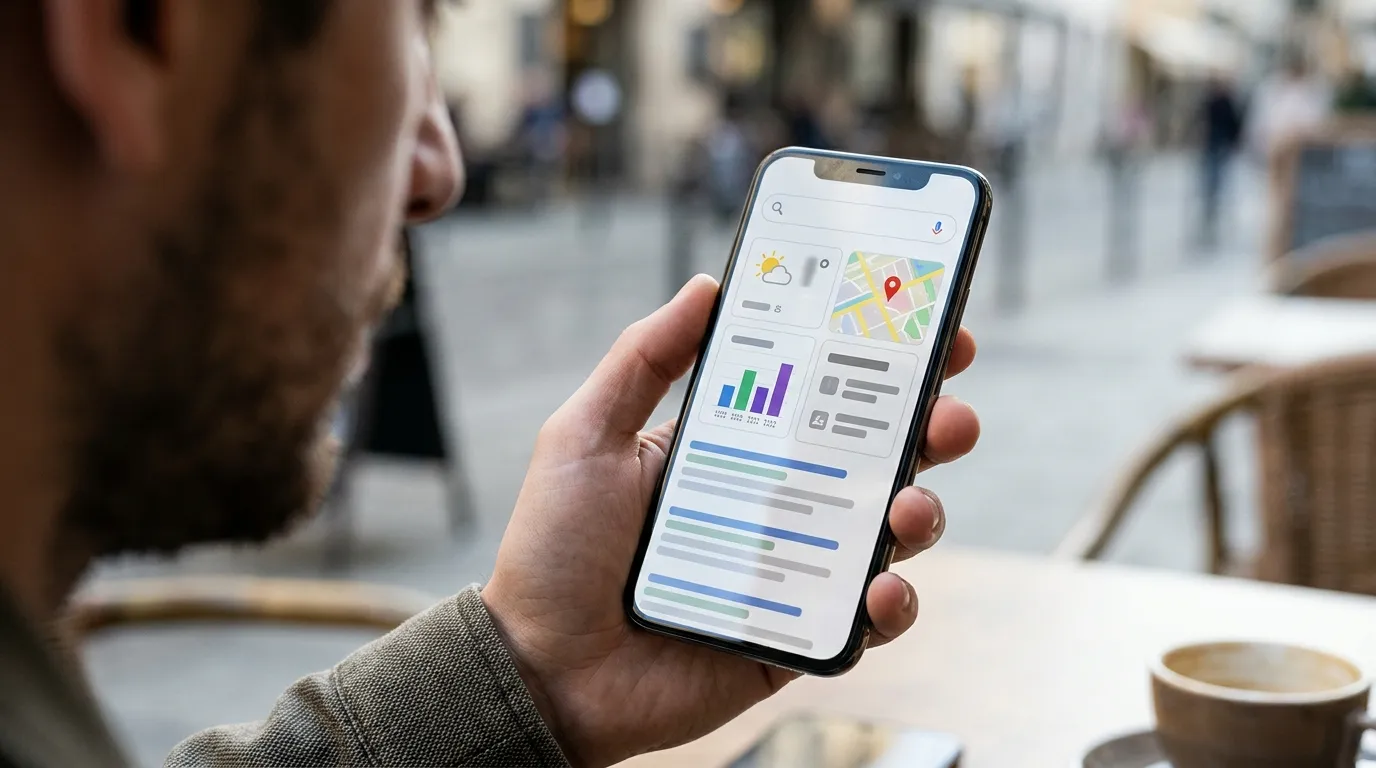
Search behaviour changes as search engines improve their ability to understand questions and present relevant information. Users also expect faster answers and more convenient ways to explore complex subjects.
Several developments contribute to the growing importance of Zero-Click Searches.
Featured Snippets Provide Immediate Answers
Featured snippets display selected information from web pages near the top of certain search results.
They may present a paragraph, list, table, or other concise explanation that addresses the user’s question.
For example, someone searching for a simple definition may receive a short explanation without opening the source article.
Featured snippets can reduce the need for a click, but they can also increase brand exposure when a website is clearly associated with useful information.
Knowledge Panels Reduce Information-Seeking Friction
Knowledge panels organize information about people, companies, organizations, places, and other entities.
A user researching a company may find its website, address, description, and other relevant information in the search experience.
This can create brand awareness even when the user does not immediately visit the business website.
AI Overviews Introduce More Comprehensive Summaries
AI Overviews can organize information from multiple sources and present a generated response to a search query.
Instead of displaying only a short extracted paragraph, these experiences can summarize several aspects of a complicated subject and provide supporting links.
Zero-Click Searches have therefore become more relevant for informational content because users may receive enough introductory information directly within the search interface.
However, AI Overviews do not necessarily appear for every search. Google explains that these features are designed to appear when they can add value beyond the standard search experience. Its official AI features and website guidance also confirms that links to supporting websites remain part of these experiences.
AI Mode Supports Deeper Search Exploration
AI Mode allows users to explore more complex subjects through conversational questions and follow-up interactions.
Someone researching business software, for example, may ask about features, compare alternatives, explore pricing considerations, and investigate suitability through multiple related questions.
Rather than opening several websites immediately, that person may continue researching within the search experience.
For publishers, Zero-Click Searches create a reason to develop resources that provide deeper expertise, original evidence, and practical information beyond a summarized explanation.
Local Search Features Satisfy Immediate Requirements
Local searches frequently have specific practical objectives.
A user searching for a nearby restaurant, business address, or service provider may find useful information through local search results and map features.
These interactions do not always result in a website click, but they may still generate calls, direction requests, visits, or customer enquiries.
Businesses should therefore measure more than traditional organic sessions when evaluating their local visibility.
Understanding the Real Impact of Zero-Click Searches on Blog Traffic
The growing number of searches that end without external visits has created understandable concerns among website owners.
Publishers invest time and resources in producing content, improving website performance, and earning rankings. When users receive answers without visiting their pages, the commercial value of that investment can become harder to measure.
Zero-Click Searches can influence organic click-through rates, particularly when a search result provides a sufficiently complete answer.
In June 2026, Search Engine Land reported findings from SparkToro research based on Similarweb clickstream data. According to that study, 68.01% of Google searches in the United States ended without a click during January through April 2026, compared with 60.45% in 2024. The research also reported that AI Overviews appeared on more than 20% of searches and were associated with substantially lower click-through rates. These findings describe a specific US desktop and mobile web research sample, not every search market or every website
The findings illustrate why publishers need to reconsider how they interpret organic visibility.
However, it would be misleading to assume that every website experiences the same impact. Results can vary according to search intent, industry, competition, query type, geography, and the information displayed on the results page.
Not Every Lost Click Represents Lost Revenue
Some search queries have limited commercial value.
A visitor searching for a simple definition may read one sentence and leave immediately, even if the website attracts the click.
Another person searching for a detailed comparison of business software may spend several minutes reviewing recommendations before requesting a demonstration.
Zero-Click Searches can therefore reduce low-value visits without necessarily removing the same proportion of potential conversions.
Businesses should identify which traffic actually contributes to their objectives.
Informational Blogs May Experience Different Click Behaviour
Informational articles often target questions that can be answered relatively quickly.
A basic question about terminology may be satisfied through a featured snippet or AI-generated summary.
However, questions involving implementation, strategy, detailed comparisons, troubleshooting, and professional decisions usually create more opportunities for deeper exploration.
This is why the structure and purpose of an article matter.
High-Intent Searches Can Still Drive Valuable Traffic
A person searching for a product comparison, specialist service, software pricing, or a specific business solution may need additional information before making a decision.
These searches can create meaningful opportunities for websites that provide accurate and relevant information.
Zero-Click Searches should encourage publishers to identify which queries have stronger commercial or engagement potential rather than attempting to attract every available impression.
Different Types of Zero-Click Search Results
Understanding how different search features work helps marketers determine which content opportunities deserve attention.
Not all search features influence user behaviour in the same way.
Featured Snippets
Featured snippets highlight a portion of a web page that directly addresses a search query.
They may display a concise paragraph, ordered steps, or a list.
A blog can improve its suitability for these results by providing clear explanations and logically structured information.
However, earning a featured snippet does not guarantee a click. Zero-Click Searches may occur when the visible answer fully resolves the user’s question.
Knowledge Panels
Knowledge panels present organized information about recognized entities.
For companies, accurate business information and a consistent online presence can help establish a clearer identity.
Businesses should maintain accurate website information, organization details, and eligible structured data.
People Also Ask Results
People Also Ask sections display related questions that users may explore.
These questions can reveal additional information needs associated with a topic.
Writers can use them to identify useful subtopics, but should not create repetitive FAQ sections merely to include more questions.
Zero-Click Searches may occur when a displayed answer satisfies the user’s curiosity without requiring a website visit.
AI Overviews
AI Overviews present generated summaries with links to supporting web resources.
For businesses, appearing as a supporting source may create visibility, even when the reader does not visit immediately.
The content should be helpful, reliable, original where possible, and technically accessible.
Local Packs and Map Results
Local results can provide business information, reviews, location details, directions, and contact options.
A local business should evaluate relevant actions such as calls, direction requests, bookings, and enquiries rather than focusing exclusively on website sessions.
Image and Video Results
Visual search results can introduce brands and content through images, videos, and other media.
A useful original image or demonstration can help a business gain exposure outside traditional blue-link results.
Businesses should ensure that visual content has descriptive filenames, relevant surrounding text, and appropriate technical implementation.
The Difference Between Search Visibility and Organic Traffic
One of the biggest strategic mistakes in SEO is treating visibility and traffic as interchangeable measurements.
Visibility describes how frequently a website or brand appears in relevant discovery environments. Traffic describes visits that reach the website.
Zero-Click Searches make this distinction more important because a brand may become visible without generating an external visit.
Consider a business publishing an article about technical website optimization. The article may appear in a featured snippet, be referenced by AI-generated search experiences, and help users recognize the brand as a potential source of expertise.
Some users may click through immediately. Others may remember the company and return through a branded search several days later.
The initial interaction and final website visit may not occur at the same time.
Why Visibility Still Matters
Repeated exposure to useful information can strengthen brand recognition.
When someone later needs a product or service related to the topic, familiarity may influence which businesses they investigate.
However, visibility alone is not proof of commercial impact. It needs to be assessed alongside branded searches, direct visits, referral traffic, enquiries, and conversions.
Why Clicks Still Matter
Website visits remain important because they create opportunities for detailed engagement.
Visitors can explore product pages, read multiple articles, use tools, compare solutions, subscribe, or contact a business.
The correct strategy is not to abandon traffic measurement. It is to place traffic within a wider framework that captures the full value of search discovery.
How Search Intent Influences Zero-Click Behaviour
Search intent describes the underlying reason someone performs a search.
Understanding intent helps content creators determine whether a query is likely to be satisfied through a short answer or requires deeper information.
This is particularly important when developing content around Zero-Click Searches.
Informational Intent
Users with informational intent want to understand something.
Examples include:
- What is technical SEO?
- How does email marketing work?
- What causes website indexing problems?
- Why do organic rankings fluctuate?
Simple questions may be answered directly in search results.
More complicated questions, however, create opportunities for detailed explanations, examples, and actionable guidance.
Navigational Intent
Navigational searches involve finding a particular website, company, or destination.
For example, someone searching for a specific software brand is generally trying to access that organization.
These searches demonstrate the importance of brand recognition.
Businesses should ensure that their brand name, official website, and business information are easy to identify.
Commercial Investigation Intent
Commercial investigation involves evaluating possible products, services, and solutions.
Examples include:
- Best CRM software for small businesses.
- Technical SEO audit services comparison.
- Ecommerce platforms for growing brands.
- Content marketing agencies for B2B companies.
These searches often require more than a short definition.
Comparisons, evaluation frameworks, product demonstrations, pricing explanations, and expert recommendations can provide additional value.
Transactional Intent
Transactional searches indicate that users are closer to completing an action.
Examples include buying a product, booking an appointment, purchasing software, or requesting a service.
A strong content strategy connects informational discovery with relevant commercial destinations.
A useful approach to Search Intent for Blogs helps publishers understand why users search and how different content formats should respond to those requirements.
The goal is to make the next step relevant rather than forcing every visitor towards an unrelated promotional page.
How to Create Content That Deserves a Website Click
A short answer may satisfy a simple question, but deeper information creates opportunities for meaningful engagement.
Publishers need to understand what users cannot fully obtain from the information displayed directly in search results.
Zero-Click Searches should therefore influence content planning from the beginning.
Go Beyond Basic Definitions
A definition is useful, but it is rarely sufficient for someone implementing a strategy.
Instead of explaining only what something means, explain how it works, when it is useful, what problems it solves, and what mistakes people should avoid.
For example, an article about technical SEO should not stop after defining crawling and indexing.
It should explain diagnostic methods, implementation considerations, common errors, validation steps, and business implications.
Include Original Research
Original research gives readers information they may not find in generic summaries.
Businesses can publish surveys, customer behaviour analysis, industry observations, internal performance findings, and carefully documented experiments.
The data should be collected and presented responsibly.
When Zero-Click Searches reduce the incentive to visit basic informational pages, original evidence can create a stronger reason for people to explore the source.
Provide Practical Examples
Examples make abstract concepts easier to understand.
Consider a blog explaining conversion rate optimization.
A basic article might define the concept and list several techniques.
A more useful guide could demonstrate how to evaluate a landing page, identify friction, organize testing priorities, and interpret results.
The second resource gives readers practical value that is difficult to replace with a short search summary.
Build Useful Tools and Resources
Interactive tools can create a strong reason to visit a website.
Examples include:
- ROI calculators.
- Website audit checklists.
- Marketing budget planners.
- Campaign performance templates.
- SEO assessment tools.
- Downloadable implementation frameworks.
The resource should perform a genuine function rather than simply collecting email addresses.
Include Expert Interpretation
Readers may find a basic fact through search, but understanding what that fact means for their situation often requires expertise.
Explain why something matters, which factors influence the decision, and how different scenarios require different approaches.
Zero-Click Searches make expert interpretation particularly valuable for complicated topics.
Address the Questions That Follow the Initial Answer
People rarely stop having questions after receiving one basic explanation.
A person researching SEO might next want to understand content optimization, keyword selection, website architecture, technical issues, and performance measurement.
A well-developed article anticipates these connected needs and provides useful navigation between related topics.
Building Information Depth Without Adding Unnecessary Words
Long articles do not automatically become valuable because they contain more words.
An article should be comprehensive because the topic requires depth, not because the writer needs to reach an arbitrary word count.
Zero-Click Searches make content quality more important because generic explanations can be summarized easily.
Use Logical Content Hierarchy
Organize information through descriptive H2 and H3 headings.
Each section should have a clear purpose.
Readers should be able to understand the structure by scanning headings without reading every paragraph.
Lead With Clear Explanations
Do not hide the main answer behind several introductory paragraphs.
Explain the topic directly, then develop it through examples, practical implications, and additional context.
This helps readers and search systems understand the page.
Use Tables for Genuine Comparisons
Tables can make complex information easier to evaluate.
For example, an SEO guide might compare different search result features, measurement methods, or content strategies.
A table should simplify understanding rather than repeat the same information already presented in paragraphs.
Use Examples That Reflect Real Situations
Generic examples rarely demonstrate how a strategy works in practice.
Use situations that match the intended audience, whether that means ecommerce stores, B2B companies, agencies, local businesses, or professional publishers.
Remove Repetitive Sections
Repetition can make a long article feel comprehensive without adding meaningful insight.
Each section should introduce a new perspective, answer a different question, or develop an important concept.
The best defence against Zero-Click Searches is not simply producing longer pages. It is producing pages with a stronger reason to be read.
Optimizing Content for AI Overviews and AI Search Experiences

AI-powered search has changed the way people discover information and explore related topics.
Publishers may worry that specialized AI optimization techniques are necessary to appear in these experiences.
Google’s current guidance is clearer: its established SEO fundamentals remain relevant, and there are no additional technical requirements or special optimization methods specifically required for inclusion in AI Overviews or AI Mode. Pages must still be indexed and eligible to appear in normal Search results.
This means businesses should concentrate on fundamental content quality and technical accessibility.
Publish Helpful, Reliable, People-First Content
Create content for people who genuinely need the information.
Explain subjects accurately, support important claims, and demonstrate knowledge through meaningful examples.
Avoid publishing large numbers of repetitive articles simply to target minor keyword variations.
Make Important Information Accessible in Text
Search systems need to understand the information available on a page.
Important explanations should be available as crawlable text rather than existing only inside images or inaccessible visual elements.
Use descriptive headings and relevant supporting material.
Strengthen Internal Linking
Related pages should connect logically.
An article about search visibility may link to supporting resources about technical SEO, content strategy, keyword research, and analytics.
These links help visitors explore additional information while making website structure easier to understand.
Maintain Accurate Structured Data
Structured data should accurately represent the visible content on the page.
Businesses should not add unsupported review ratings, invented product details, or irrelevant markup.
Google also states that there is no special AI-specific schema required to appear in its generative search features.
Avoid AI Search Manipulation Shortcuts
There is no reliable reason to fill content with unnatural question variations, hidden text, or unsupported claims about special AI ranking signals.
Build pages that satisfy real search requirements and maintain the technical standards of ordinary search optimization.
Measuring Search Visibility Beyond Clicks
Traditional SEO reporting often focuses on impressions, clicks, click-through rate, and average position.
These metrics remain useful, but Zero-Click Searches require marketers to interpret them more carefully.
A page receiving thousands of impressions and relatively few clicks may still have visibility that matters. However, that visibility should be evaluated according to the actual business objective.
Google Search Console Performance Report
Search Console provides information about how a website performs in Google Search.
Its main performance metrics include:
- Impressions: How often a result containing a link to the website was seen or potentially seen.
- Clicks: How many times users clicked from Google to the website.
- Average position: The relative position of the website’s result.
- Click-through rate: Clicks divided by impressions.
Google explains how these measurements are calculated in its Search Console performance documentation.
These metrics help marketers identify changes in visibility and engagement.
Identify Queries With High Impressions and Low Click-Through Rates
A page may receive significant exposure but relatively few visits.
Possible reasons include:
- A direct answer appearing above organic results.
- A search query being satisfied by a featured snippet.
- An AI-generated summary reducing the need for a click.
- A title that does not match the user’s expectations.
- Search intent being only partially addressed.
- Strong competition from other visible results.
Before changing the article, investigate which explanation is most likely.
A low click-through rate does not automatically mean the title is poor.
Compare Branded and Non-Branded Queries
Branded searches can reveal whether people are actively looking for a business after discovering it elsewhere.
A rise in branded search activity may indicate improved recognition, although other marketing activity can also contribute to the change.
Track brand-name queries separately from general informational searches.
Review Landing Page Engagement
Analytics tools can help evaluate how visitors behave after reaching a page.
Useful measurements include engaged sessions, time spent, scroll behaviour, resource interactions, form submissions, and conversions.
A page generating fewer visits but more qualified enquiries may be commercially stronger than a high-traffic article with limited engagement.
Examine Assisted Conversions
Some visitors may discover a brand through informational content but convert later through another channel.
Use available analytics and CRM information to understand whether blog content contributes to assisted conversions and longer customer journeys.
The objective is to understand influence, not simply assign all value to the final click.
Measuring AI Search Visibility With Google Search Console
An important development for publishers is the introduction of Google’s dedicated generative AI performance reporting.
As of August 31, 2026, Google had rolled out its Search generative AI performance insights worldwide. The report provides visibility data for supported generative AI search experiences, including AI Overviews and AI Mode.
This gives website owners another way to understand how their content appears within Google’s evolving search environment.
What the Generative AI Performance Report Shows
The report provides information about impressions associated with eligible generative AI features.
Website owners can review:
- Changes in AI-related search impressions.
- Pages receiving the most impressions.
- Countries where those impressions originate.
- Device categories associated with visibility.
- Performance changes over selected date ranges.
How to Use the Report
Begin by examining the pages receiving the most exposure.
Identify which topics are appearing in AI-powered search experiences and compare that information with traditional organic performance.
Look for pages gaining visibility but experiencing limited click growth.
Then review whether those pages provide additional resources, comparisons, examples, and useful next steps that can encourage deeper engagement.
Understand the Reporting Limitations
Impressions do not automatically represent visits, leads, or sales.
A page may appear frequently in an AI-generated search experience without generating a corresponding number of external clicks.
Zero-Click Searches should therefore be evaluated through both visibility reporting and business outcome measurement.
The report also includes data limitations and aggregation rules, so comparisons should be made consistently.
Improving Organic Click-Through Rates Without Misleading Readers
Although not every search impression can generate a visit, publishers can improve the reasons users choose their result.
The title, description, content relevance, and brand credibility can influence whether a user decides to explore a page.
Zero-Click Searches should not encourage businesses to use sensational headlines or misleading descriptions simply to increase clicks.
Write Specific and Benefit-Oriented Titles
A title should explain what the reader can expect.
Compare these examples:
- Weak: Understanding SEO.
- Better: Technical SEO Audit: Find and Fix Website Problems.
- Weak: Marketing Strategies.
- Better: B2B Lead Generation Strategies for Qualified Sales Opportunities.
Specific wording helps readers understand the value of the article before opening it.
Create Useful Meta Descriptions
Meta descriptions should communicate what the page covers and why it is relevant.
Avoid repeating the title without adding useful context.
Mention the main subject, important benefit, and relevant supporting information naturally.
Search engines may generate their own snippets, so the displayed description is not always identical to the one provided by the publisher.
Demonstrate Content Depth
Where appropriate, communicate that an article includes detailed examples, templates, comparisons, or practical instructions.
However, do not promise resources that do not exist.
Build Brand Recognition
When people recognize a brand in search results, they may become more inclined to explore its content.
Consistent naming, useful publications, credible expertise, and recognizable visual identity can support this familiarity.
Match the Searcher’s Expectations
A headline promising a complete tutorial should lead to practical steps, not a short introductory explanation.
When the content satisfies the expectation created by the title, visitors have a stronger reason to remain engaged.
Creating Content Clusters That Generate More Valuable Visits
A single informational article may answer an individual question, but a connected collection of resources can serve a much wider customer journey.
Content clusters organize related topics around a central subject.
For example, a website covering digital marketing might have a main resource about SEO strategy supported by articles about technical audits, keyword research, topical authority, link building, content refreshes, and analytics.
Zero-Click Searches make this structure especially useful because a visitor who arrives through one relevant page can discover additional information that is not contained in the initial search result.
Build a Central Topic Page
The central page should introduce the broader subject and organize its main areas.
It should provide meaningful information while helping readers identify more specific resources.
Develop Supporting Articles
Supporting pages should address distinct questions or problems.
Avoid publishing several pages that compete for exactly the same search intent.
Each resource should provide a clear reason to exist.
Use Descriptive Internal Links
Internal links should help readers understand what they will find after clicking.
Anchor text should be relevant and descriptive.
Connect Informational Content With Commercial Resources
A reader researching a problem may eventually need a professional service or product.
Link to relevant service pages, product comparisons, tools, or consultation resources when they genuinely help the reader.
The objective is to create a coherent journey instead of pushing unrelated sales messages into informational content.
Diversifying Traffic Sources Beyond Google Organic Search
Depending entirely on one search platform creates risk.
Algorithm updates, changing search layouts, new AI features, and competitive changes can influence how much organic traffic a publisher receives.
Zero-Click Searches make traffic diversification a more important part of content strategy.
A business should develop several ways for people to discover its content and return to its website.
Email Newsletters
Email gives publishers an opportunity to maintain direct communication with subscribers.
A useful newsletter can introduce new articles, share practical insights, highlight resources, and communicate relevant business developments.
Unlike relying exclusively on search impressions, email allows the brand to build an audience that has chosen to receive its communication.
Social Media Distribution
Share articles through platforms where the intended audience participates.
However, do not simply publish a link with no context.
Introduce the article through a useful insight, question, short explanation, or practical example.
Professional Communities
Relevant online communities can help businesses participate in industry discussions.
Share resources when they genuinely answer a question or provide useful additional information.
Avoid treating communities as places to distribute unrelated promotional links.
Direct Traffic
Encourage people to remember the brand and return directly.
Consistent publishing, recognizable expertise, useful tools, and strong customer experiences can strengthen direct relationships.
Referral Partnerships
Other websites, newsletters, communities, and professional organizations can introduce relevant audiences.
A connected Omnichannel Referral Funnel can help businesses understand how referral discovery and customer interactions connect with broader digital experiences.
Diversification does not mean abandoning SEO. It means ensuring that organic search is one important acquisition channel rather than the only source of potential customers.
Using Social Content to Turn Search Impressions Into Brand Demand
A search result may introduce someone to a brand without generating an immediate visit.
Businesses can strengthen that initial awareness by maintaining a recognizable presence on other platforms.
For example, someone who sees a useful explanation in a search summary may later encounter the same brand through a professional networking post, a video, an industry discussion, or a newsletter.
Repeated exposure can make the company easier to recognize when a relevant need develops.
Zero-Click Searches therefore create a reason to connect SEO with wider content distribution.
Repurpose Blog Insights
Turn important blog sections into short posts, video explanations, infographics, or discussion topics.
Each format should add value for the audience using that platform.
Share Original Findings
Original observations, survey findings, and practical experiences can provide compelling social content.
They can also create opportunities for other publishers to reference the business.
Develop a Recognizable Brand Voice
Use a consistent communication style across articles, social channels, and professional discussions.
This makes it easier for people to associate useful information with the business.
Encourage Audience Engagement
Invite relevant questions and participate in discussions.
The objective should be to develop relationships rather than collect superficial interactions.
Converting Informational Visibility Into Business Opportunities
A blog can attract attention without generating meaningful commercial outcomes.
Publishers need to consider how informational content connects with the products, services, and resources that support the business.
Zero-Click Searches make this transition more important because website visits may become more selective.
Introduce Relevant Lead Magnets
A detailed guide, checklist, template, or industry report can provide additional value to readers who need deeper resources.
The offer should relate directly to the subject of the article.
For example, a guide about website optimization could offer an audit checklist.
Use Contextual Calls to Action
A call to action should reflect the reader’s stage of understanding.
Someone learning about a topic may benefit from an additional guide, while someone comparing service providers may prefer a consultation opportunity.
Create Useful Comparison Resources
Comparison pages can help people evaluate alternatives and understand the differences between available solutions.
Include meaningful criteria rather than simply declaring one option the winner.
Make Contact Opportunities Accessible
Readers who are ready to discuss a business requirement should be able to find appropriate contact information easily.
Avoid overwhelming informational pages with intrusive forms or repeated pop-ups.
Track Lead Quality
Not every form submission represents a potential customer.
Review whether leads match the intended market, have relevant requirements, and progress through the sales process.
The aim is to convert valuable audience attention into qualified opportunities.
The Role of Mobile Experiences in Search Visibility and Conversion
A large proportion of online information discovery takes place through mobile devices.
Users may see a search summary, open a website, explore an article, and eventually make a purchase through their smartphones.
A website that performs poorly on mobile can lose potential opportunities even when its content is relevant.
Zero-Click Searches should encourage website owners to make every visit more useful because the decision to click may already involve greater intent.
Improve Mobile Readability
Use readable typography, logical spacing, descriptive headings, and short paragraphs.
Visitors should be able to understand the content without excessive zooming or difficult horizontal navigation.
Improve Mobile Page Performance
Review page loading behaviour, image optimization, third-party scripts, and unnecessary design elements.
Performance should be tested across realistic devices and connection conditions.
Make Navigation Simple
Readers should be able to move between related articles and important resources without difficulty.
Keep navigation understandable and avoid overwhelming the page with competing elements.
Connect Content With Mobile Purchasing
For businesses selling products online, ensure that readers can move naturally from research to product information and checkout.
A broader Mobile Commerce Marketing strategy can help connect mobile discovery with shopping experiences and conversion opportunities.
Common Zero-Click SEO Mistakes That Damage Content Performance
Many publishers respond to changing search behaviour by making rapid content changes without understanding the actual reason behind declining traffic.
This can create additional problems.
Assuming Every Informational Keyword Has Lost Its Value
Some queries are more likely to produce instant answers than others.
However, complicated informational searches can still create valuable website visits.
Evaluate individual query groups before removing topics from the content strategy.
Publishing Extremely Short Answers Everywhere
Concise answers are useful, but making every article brief may reduce the depth required to address complex topics.
Zero-Click Searches should encourage publishers to focus on value rather than simply reducing word count.
Adding Unnecessary Keywords
Repeating target phrases unnaturally does not create meaningful expertise.
Use relevant terminology naturally and prioritize clear explanations.
Creating Pages Only to Appear in AI Results
Publishing repetitive pages with slight wording changes can create low-value content.
Focus on genuinely useful resources that address distinct user needs.
Ignoring Technical SEO
Crawlability, indexability, internal linking, canonicalization, and page performance remain important.
A technically inaccessible page cannot build reliable search visibility.
Overlooking Search Intent
A page may rank for a query but fail to satisfy the actual reason someone searches.
Review the content and determine whether it addresses the intended problem.
Measuring Success Only Through Sessions
A reduction in visits does not automatically indicate the same reduction in brand value or commercial impact.
Evaluate visibility, engagement, branded demand, leads, and revenue together.
Abandoning Search Optimization Entirely
Search engines remain important discovery environments.
The objective is to adapt content and measurement, not to abandon organic search because search interfaces are changing.
A Practical 90-Day Strategy to Adapt to Zero-Click Searches
A structured plan helps businesses move from concern about declining traffic towards measurable improvements.
Days 1–30: Audit Search Visibility and Traffic
Begin by reviewing Google Search Console and website analytics.
Identify the articles experiencing changes in impressions, clicks, click-through rates, and average positions.
Group queries according to informational, navigational, commercial, and transactional intent.
Identify pages with significant impressions but relatively low click-through rates.
Check which pages appear to answer simple questions and which provide deeper resources.
Zero-Click Searches should be investigated at the query and page levels rather than treated as one universal traffic problem.
During the first month, also review:
- Technical indexing and crawling issues.
- Internal linking opportunities.
- Content freshness and accuracy.
- Brand search activity.
- Existing conversion paths.
- Mobile usability.
The purpose is to establish a reliable baseline before making major changes.
Days 31–60: Improve Content Differentiation
Prioritize pages that have meaningful visibility or commercial potential.
Improve introductory explanations, add practical examples, include useful comparisons, and strengthen original insights.
Develop supporting content around the main topics.
Where appropriate, introduce tools, downloadable resources, and clear next steps.
Improve titles and descriptions without making misleading promises.
Make sure internal links connect readers with relevant resources.
The goal is to create a stronger reason to visit the website.
Days 61–90: Diversify Acquisition and Measure Outcomes
Expand distribution through newsletters, social platforms, professional communities, and relevant partnerships.
Review branded search trends, direct visits, referral traffic, and qualified conversions.
Use available Search Console generative AI reporting to understand additional search visibility.
Compare results against the initial baseline.
Identify which articles produce valuable engagement and which require further changes.
Zero-Click Searches should become a regular part of SEO reporting so businesses can adjust their content strategy as search behaviour develops.
Building a Content Strategy That Remains Valuable as Search Changes

Search engines will continue to change the way information is presented, but people will continue to need reliable explanations and practical solutions.
The strongest publishing strategies are built around enduring customer requirements rather than temporary search features.
Prioritize Original Expertise
Use real experience, documented processes, and meaningful examples to make articles more useful.
Generic information can be reproduced in many places. Practical expertise gives readers a stronger reason to trust the source.
Develop Recognizable Topic Authority
Publish connected resources that demonstrate a consistent understanding of important industry subjects.
Topic coverage should be organized around genuine relationships between customer questions.
Build a Strong Brand Identity
People should be able to recognize the business beyond an individual article.
Consistent positioning, useful communication, and professional credibility can encourage future direct engagement.
Create Resources Worth Bookmarking
Reference guides, calculators, templates, and detailed tutorials can provide continuing value.
A visitor may not need the resource every day, but remembering where it exists can encourage a return visit.
Focus on Customer Outcomes
An article should help readers understand a problem, make a decision, or complete a task.
When content supports a meaningful outcome, its value extends beyond the search visit that introduced it.
The long-term objective is to become a trusted resource within the audience’s decision-making process.
Conclusion
Zero-Click Searches are changing how people discover information, but they do not eliminate the value of blogging or organic SEO. Businesses must move beyond traffic-only reporting and focus on visibility, brand recognition, differentiated content, audience relationships, and measurable conversions. Creating original insights, practical resources, strong internal links, and relevant next steps gives readers better reasons to visit. Publishers should also diversify acquisition through email, social media, referrals, and direct engagement. By combining technical SEO with useful content and broader performance measurement, businesses can protect their digital presence and build sustainable growth even as search experiences continue evolving.
Frequently Asked Questions (FAQ)
What are Zero-Click Searches in SEO?
Zero-Click Searches occur when users complete a search interaction without clicking through to an external website. They may obtain information through featured snippets, knowledge panels, direct answers, local results, or AI-generated summaries. These interactions can provide search visibility without producing traditional organic website traffic.
Why are Zero-Click Searches increasing?
Search engines are becoming better at answering questions directly within their results pages. Features such as featured snippets, knowledge panels, AI Overviews, and AI Mode reduce the need to visit external websites for certain information. Changing user expectations around speed and convenience also contribute to this behaviour.
Do Zero-Click Searches negatively affect blog traffic?
They can reduce organic click-through rates for certain queries, particularly when search results provide sufficient information to satisfy the user’s immediate need. However, the impact varies according to search intent, industry, competition, and the type of search feature displayed. Not every website or keyword experiences the same effect.
Can a website rank well but receive fewer organic clicks?
Yes. A page can maintain strong search visibility while receiving fewer clicks because search results may display answers, summaries, or other features above traditional organic listings. Changes in titles, competition, and user intent can also influence click-through rates.
How can bloggers reduce the impact of zero-click searches?
Bloggers should create differentiated content that goes beyond basic answers. Original research, practical examples, expert insights, detailed comparisons, interactive tools, and downloadable resources can give readers stronger reasons to visit. Building brand recognition and diversifying traffic sources can also reduce dependence on organic clicks.
Do AI Overviews contribute to Zero-Click Searches?
Yes. AI Overviews can provide summarized information directly in Google Search, which may satisfy some user queries without an external click. However, they can also display links to supporting websites, creating opportunities for discovery. Their impact depends on the query, search context, and user behaviour.
How can I identify pages affected by Zero-Click Searches?
Review Google Search Console for pages and queries with significant impressions but relatively low click-through rates. Compare performance over time and examine the search results for those queries. Also review organic traffic, brand searches, engagement, and conversions to understand the broader impact.
Does optimizing content for AI search require special SEO techniques?
Google’s current guidance states that existing SEO best practices remain relevant for AI Overviews and AI Mode. Pages should be technically accessible, indexed, helpful, reliable, and useful to people. There is no special AI-specific schema or mandatory optimization technique required for inclusion.
Are Zero-Click Searches always bad for businesses?
No. Some searches are intended to obtain quick information, and users may not need to visit a website. A brand can still gain visibility and recognition through search features. Businesses should evaluate whether that visibility contributes to awareness, future branded searches, customer actions, or commercial opportunities.
What is the future of SEO in a zero-click search environment?
SEO will increasingly need to balance traditional organic traffic with broader search visibility, brand authority, content differentiation, and conversions. Businesses will benefit from creating original resources, maintaining a recognizable brand, diversifying acquisition channels, and measuring customer journeys beyond the first search click.