
Blogging for Product Visibility: Outbound Marketing Tips for Content Creators
Unlock the full potential of your brand by mastering Blogging for Product Visibility. This guide provides essential Outbound Marketing Tips for Content Creators to turn readers into loyal customers.
Learn how to amplify your reach through strategic content creation. We explore SEO optimization, brand positioning, and proactive outbound tactics to ensure your blog serves as a high-conversion engine for your products and services in a competitive digital landscape.
Blogging for Product Visibility: Outbound Marketing Tips for Content Creators
In the modern digital economy, the phrase “build it and they will come” is a myth. For content creators, the challenge isn’t just making a great product; it’s ensuring that product is seen by the right eyes. While inbound marketing focuses on being found, Blogging for Product Visibility serves as a vital component of a proactive strategy. By implementing Outbound Marketing Tips for Content Creators, you can transform your blog from a passive diary into a dynamic sales tool.
The Role of Blogging in Outbound Marketing
Traditionally, outbound marketing involved “pushing” a message to an audience (like TV ads or cold emails). In the context of blogging, outbound strategy means creating content specifically designed to be distributed, shared, and used as a touchpoint in your sales funnel. It’s about Brand Positioning and Brand Awareness.
When you write a blog post, you aren’t just filling space. You are crafting a narrative that defines your Brand Personality In Marketing. This narrative helps in Building Brand Authority, making your outbound efforts—like Outbound Email Marketing—far more effective because the recipient already recognizes your expertise.
Strategic SEO: Beyond the Basics
To ensure Blogging for Product Visibility, you must look beyond simple keywords. While a Seo audit Guide can help you identify technical flaws, your content must be optimized for Answer Engine Optimization (AEO) and Voice Search.
- Targeting Search Intent: Don’t just rank for “fitness app.” Rank for “how to track macros for vegan athletes.” This is a Smart Blogging Strategy that captures users at the point of need.
- How AI Transforms SEO: Today, search engines use LLMs to understand context. Use Ai Writing Tools for Bloggers to brainstorm outlines, but ensure the final voice is human to maintain Brand Consistency.
- Technical Excellence: You must improve blogs page speed to reduce bounce rates. A slow blog kills User Experience and Branding.
Crafting a Brand Strategy Framework
Your blog is the home of your Brand Strategy Road Map. Every post should align with your Brand Positioning Strategy.
| Element | Description | Impact on Visibility |
| Brand Voice | The consistent personality of your writing. | Increases Brand Perception In Marketing. |
| Brand Archetypes | Using psychological profiles (e.g., The Hero, The Sage). | Strengthens Emotional Marketing ties. |
| Brand Equity | The value added by your brand name. | Higher Brand Equity KPIs lead to better ROI. |
Outbound Marketing Tips for Content Creators: Distribution
A blog post is useless if no one reads it. To succeed in Outbound Marketing, you must be proactive:
- Guest Posting Services: Use Ethical Link Building to place your content on high-authority sites like Wikipedia or industry leaders.
- Influencer Marketing Services: Partner with creators to share your blog insights.
- Email Marketing Services: Your blog should fuel your Outbound Email Marketing campaigns, providing value before the “ask.”
Leveraging AI and Modern Trends
In 2026, Ai Driven Trend Marketing is non-negotiable. Use tools to perform Predictive Trend Marketing to write about topics before they peak. This helps in Making Your Product Go Viral. Whether it’s Viral Marketing on Tiktok or Meme Marketing, your blog acts as the “source of truth” for these fleeting trends.
Conversion Rate Optimization (CRO)
If you want to know how to promote blog content effectively, look at your “Leaky Bucket.” Are readers leaving without clicking?
- Customer Journey Mapping: Ensure every post has a clear CTA (Call to Action).
- Webinar Sales Funnel: Use your blog to drive traffic to a webinar. Use Creative Webinar Ideas to engage your audience and offer Irresistible Webinar Offers.
Advanced Strategies for Brand Growth

Building Brand Resilience and Longevity
In a world of “cancel culture,” Brand Crisis Management and Brand Resilience Strategies are essential. Your blog is where you control the narrative. By practicing Digital Reputation Management and Online PR Services, you ensure that a single negative review doesn’t sink your product visibility.
Niche Mastery
What is a niche? It is your corner of the market. To choose a profitable blog niche, you must conduct a Competitive Brand Analysis. If you are in a crowded space like Luxury Brand Marketing, your Brand Positioning must be surgical. You need to understand Consumer Brand Marketing versus B2B Digital Marketing Strategies.
Diverse Content Formats
Don’t limit yourself to text.
- Video SEO: Embed videos to keep users on the page longer.
- Sonic Branding: Use consistent audio cues in embedded podcasts.
- Infographics: Great for Social Media Management and “pinnable” content.
The Economics of Blogging
Many wonder how to invest blogging income. Successful creators reinvest in Software Development Services to build custom tools or App Development Services to turn their blog into a platform. They also look into Passive income through blogging via affiliates or Amazon SEO optimized product reviews.
Local vs. Global Reach
If your product is physical, Local SEO Services and Google Analytics tracking are your best friends. Conversely, if you are a SaaS creator, SaaS Development Services integrated with a Digital Payment Solution allow for global scaling.
Mastering Generative Engine Optimization (GEO)
As we move through 2026, traditional SEO is evolving into Generative Engine Optimization (GEO). With AI tools like ChatGPT, Claude, and Google’s Gemini becoming primary search interfaces, your goal isn’t just to rank—it’s to be cited.
- Be the Source of Truth: Use original data, unique case studies, and primary research. AI models prioritize content that provides “Information Gain” rather than just summarizing existing web pages.
- Structured Data and Schema: Implement advanced schema markup. This acts as a “map” for AI, helping it understand that your blog is the definitive source for a specific Brand Positioning.
- Citations are the New Backlinks: Focus on getting mentioned in high-authority listicles and industry reports. Being cited by an AI as a “Top Recommendation” can drive conversion rates up to 400% higher than a standard search link.
The Shift to “Search Everywhere” Optimization
Content creators can no longer rely solely on Google. Blogging for Product Visibility now requires a “Search Everywhere” strategy.
- Social SEO: Optimize your blog headers and metadata to perform well when shared on platforms like TikTok, Pinterest, and LinkedIn.
- YouTube SEO Integration: Every major blog post should have a corresponding video component. Embedding a video not only helps your Video SEO but also keeps users on your page longer, which is a massive quality signal to all search engines.
- Dark Social Awareness: Create “shareable snippets”—bold quotes or charts—that are easy to copy and paste into private Slack groups or WhatsApp chats. This is where modern B2B decisions often happen.
Interactive Content: Moving from Reading to Participating

Passive reading is declining. To boost Product Visibility, your blog must become an experience.
- Product Recommendation Quizzes: Instead of a long list of features, embed a quiz: “Which [Product] is Right for Your Business?” This provides immediate value and segments your audience for Personal Reputation Management.
- ROI Calculators: If your product saves time or money, build a simple calculator. It’s one of the most effective Smart Blogging Strategies for the “Consideration” stage of the Customer Journey Mapping.
- Polls and Real-Time Feedback: Use interactive polls to let readers vote on future product features. This builds Brand Purpose Development by showing you listen to your community.
Building a “Human-First” Content Moat
In an era of AI-generated noise, authenticity is your greatest competitive advantage. This is the core of Brand Voice Strategy.
- The “Human-Made” Label: Explicitly highlight content written by experts. Use author bios that link to a Personal Brand Strategy, showing real-world experience.
- Behind-the-Scenes Storytelling: Share the “Brand Crisis Management” stories or the “Rebranding Case Studies” that didn’t go perfectly. Vulnerability builds a Brand Personality In Marketing that AI cannot replicate.
- User-Generated Content (UGC): Feature stories and reviews from your community. It shifts the narrative from “Look at my product” to “Look at how this product changed a real person’s life.”
Diversifying Monetization and Scaling
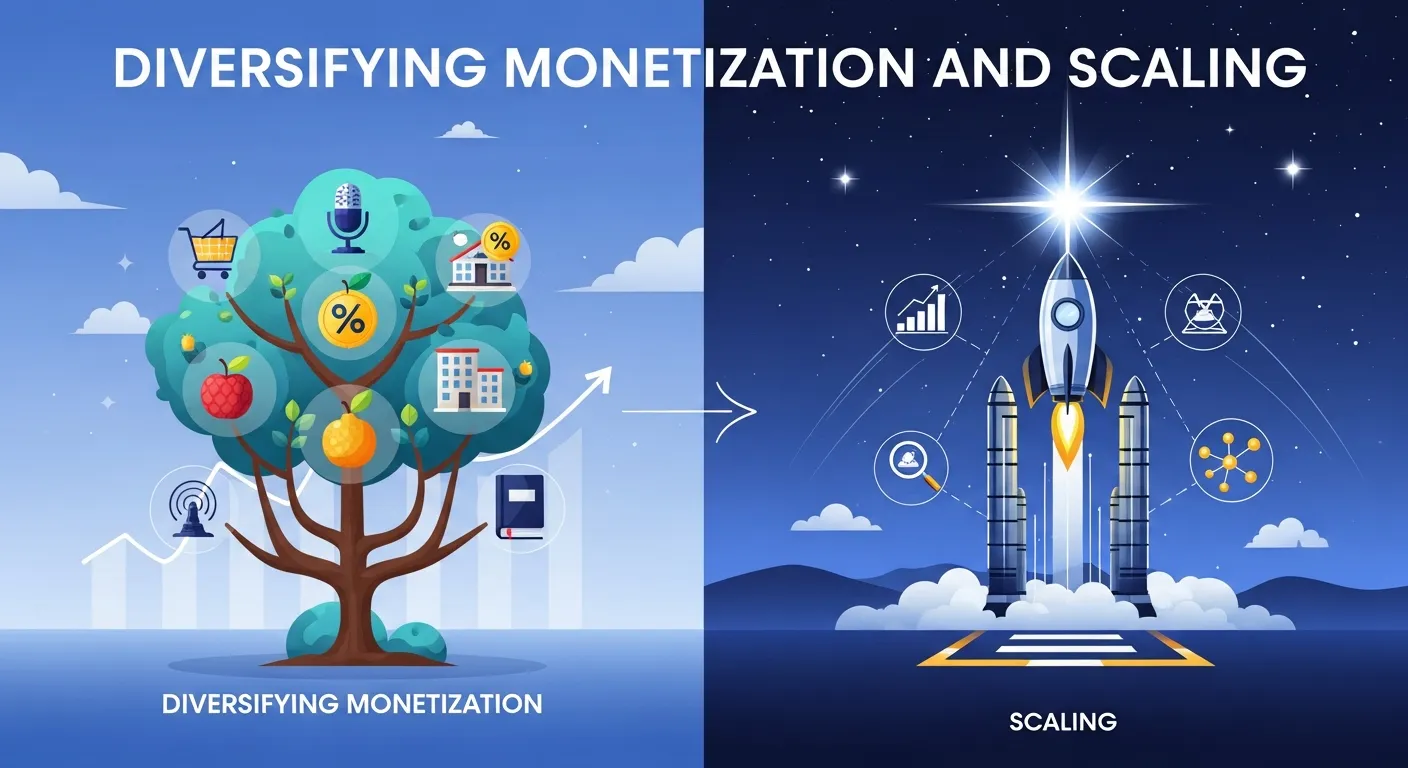
Once you have visibility, you need to sustain it. Successful creators use their blog as a launchpad for Passive income through blogging.
- Hybrid Revenue Models: Combine Affiliate Marketing Services with direct Sponsorships and SaaS Development Services.
- First-Party Data Mastery: Use your blog to build a robust email list. In a “cookie-less” world, owning your audience via Outbound Email Marketing is the only way to ensure long-term Brand Safety In Digital Marketing.
- Direct Commerce: Integrate “Shoppable” blog posts where users can purchase your product or service without leaving the article.
Future Opportunities: The 2027 Outlook
Looking ahead, the landscape of Blogging for Product Visibility will be defined by Hyper-Personalization at Scale.
- Multimodal Content Hubs: Future blogs won’t just be text; they will be interactive hubs where AI-powered avatars can “talk” to the reader about the blog’s content in real-time.
- Voice and Answer Engine Dominance: As voice assistants become more sophisticated, your blog posts must be written in a conversational tone to capture “natural language” queries.
- Community-Owned Platforms: We will see a shift toward decentralized social protocols where your blog and its followers aren’t tied to a single platform, protecting your Brand Equity In Marketing from algorithm shifts.
- Predictive Content: Using AI to analyze Business Trends before they happen, allowing you to front-run the competition with “First-to-Market” content.
Conclusion
Mastering Blogging for Product Visibility and applying Outbound Marketing Tips for Content Creators requires a blend of creativity and data. By focusing on Brand Storytelling, SEO Content, and proactive distribution, you can turn your blog into a powerful engine for growth. Start today by auditing your current content and aligning it with your Brand Strategy Guide.
FAQs
1. How does blogging improve outbound marketing?
Blogging provides the high-quality “fuel” for outbound tactics. When you perform Outbound Email Marketing or social selling, having a link to a helpful blog post increases your credibility and provides a non-aggressive way to introduce your product.
2. What are the best AI writing tools for bloggers in 2026?
Creators use advanced models for Ai Driven Trend Marketing and content drafting. However, the most successful bloggers use AI for research and SEO optimization while maintaining a unique Brand Voice through human editing.
3. How often should I perform a SEO audit?
A comprehensive Seo audit Guide suggests a deep dive every quarter. However, you should monitor your Brand Monitoring Services and Google Analytics weekly to catch any sudden drops in traffic or page speed issues.
4. Can blogging help with Brand Crisis Management?
Yes. Your blog is your owned media. In a crisis, it allows you to publish your side of the story immediately, helping with Reputation Management and Negative Content Management across search engines.
5. What is the difference between Inbound and Outbound Marketing?
Inbound marketing (like SEO) waits for the customer to find you. Outbound marketing (like Media Buying Services or SMS Marketing) involves reaching out to the customer. Blogging bridges the two by creating content that works for both.
6. How do I make my product go viral through a blog?
Focus on the Psychology of Trend Marketing. Create Viral Content Strategies that tap into Marketing FOMO or current Business Trends. Use “shareable” elements like controversial takes or high-value data.
7. Is WordPress still the best platform for blogging?
For most, a Guide to mastering wordpress is still essential as it offers the best plugins for SEO Services and Ethical Link Building. However, headless CMS options are gaining ground for SaaS Development Services.
8. How do I improve my blog’s page speed?
To improve blogs page speed, optimize images, use a Content Delivery Network (CDN), and limit heavy scripts. High speed is crucial for User Experience and Branding and search rankings.
9. What are Brand Equity KPIs?
These include Brand Awareness, Brand Perception In Marketing, and customer loyalty levels. Tracking these helps you understand the financial value of your brand’s reputation.
10. How do I choose a profitable blog niche?
Look for the intersection of high demand and low competition using tools like SEMrush or Ahrefs. Ensure the niche allows for Brand Extension Marketing so you can grow in the future.