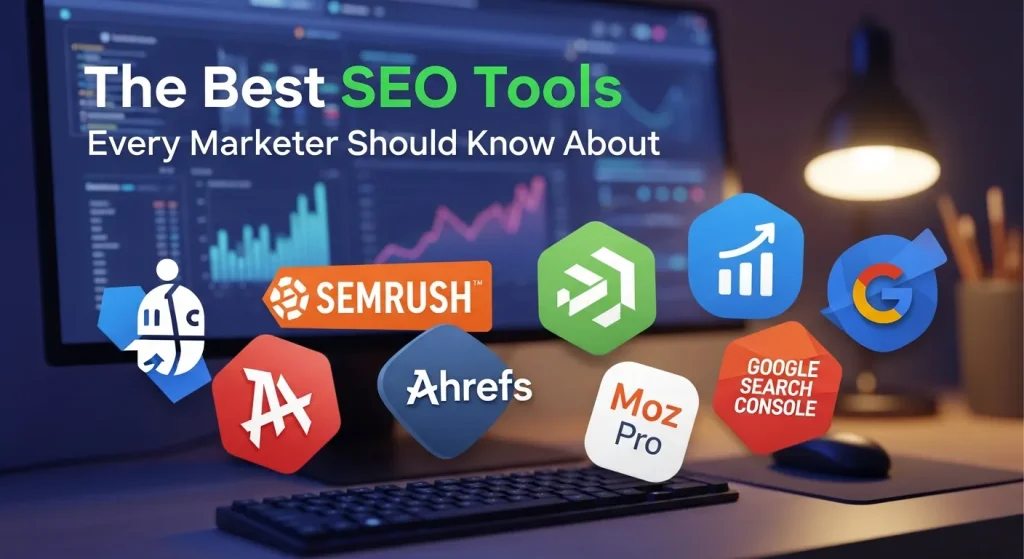
The Best SEO Tools Every Marketer Should Know About
Search Engine Optimization (SEO) has evolved into the ultimate linchpin for digital visibility, driving organic traffic and affixing brand authority in an increasingly AI-driven marketplace.
To dominate the search results today, web professionals must possess a robust toolkit. This guide explores the best SEO tools—from industry titans like Semrush and Ahrefs to emerging AI-driven platforms—helping you choose the right resources to refine your strategy and outpace the competition.
The Best SEO Tools Every Marketer Should Know About
In 2026, SEO is no longer just a supporting strategy; it is a multi-dimensional discipline. For web professionals, mastering the craft isn’t just about understanding algorithm changes—it’s about having the right SEO tools for marketers at your disposal. Whether you are a seasoned digital marketer or just beginning to learn the ropes, the right software can reveal marketing secrets, identify high-performing keywords, and track the journey of your audience with precision.
What Makes a Great SEO Tool?
Before diving into the curated list, it is essential to define what qualifies as a “great” tool in the current landscape:
- Comprehensive Data: Actionable insights into keyword rankings, backlink profiles, and brand perception in marketing.
- Ease of Use: A user-friendly interface that allows beginners to navigate complex metrics without a steep learning curve.
- Accuracy: Reliable, real-time data that accounts for the latest search engine shifts and answer engine optimization.
- Scalability: Tools that grow with you, whether you are managing a personal brand strategy or a large CPG brand marketing campaign.
Best SEO Tools for Keyword Research
Keyword research remains the bedrock of any successful digital strategy. However, in 2026, the focus has shifted from simple volume to understanding intent and topic authority.
Google Keyword Planner
A staple for any SEO audit guide, Google Keyword Planner is the classic starting point for content planning.
- Best For: Small businesses and those looking for foundational keyword insights.
- Key Advantage: Direct access to Google’s search volume data and competition levels.
- Pricing: Free (requires a Google Ads account).
Ahrefs Keywords Explorer
When it comes to advanced research, Ahrefs is unparalleled. It provides deep dives into keyword difficulty, traffic potential, and “clicks” data, which is vital in a world of increasing zero-click searches.
- Best For: Professionals focused on competitive and long-tail keyword research.
- Pricing: Plans start at approximately $99 per month.
Semrush
Semrush is a powerhouse for spotting “keyword gaps” against your competitors. It excels at helping you uncover hidden opportunities that align with your brand positioning strategy.
- Best For: Businesses ready to level up with a comprehensive, all-in-one suite.
- Pricing: Paid plans start at $139.95 per month.
Best SEO Tools for Site Analysis and Technical Health
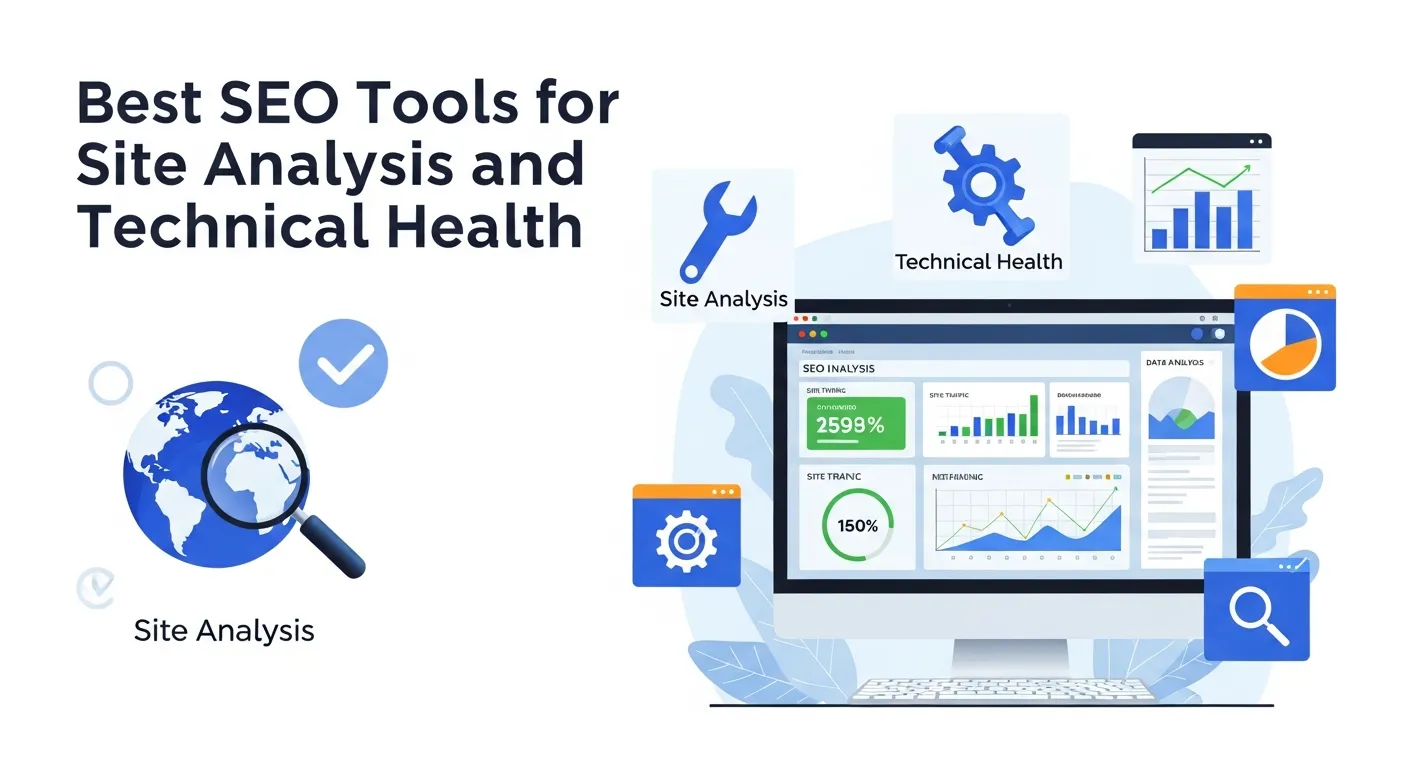
A website is only as strong as its technical foundation. To ensure your site is “crawlable” by both traditional bots and new AI agents, technical health is paramount.
Google Search Console (GSC)
GSC offers a behind-the-scenes look at how Google views your site. It is essential for tracking performance, identifying crawl errors, and monitoring Core Web Vitals.
- Best For: Every website owner, from beginners to experts.
- Pricing: Free.
Screaming Frog SEO Spider
One of the most in-depth tools for technical audits, Screaming Frog functions as a website crawler to catch broken links, duplicate content, and missing meta tags. It is a fundamental part of any guide to mastering WordPress or enterprise-level site management.
- Best For: Agencies and marketers working on large, complex websites.
- Pricing: Free version available; paid plans start at $259 per year.
PageSpeed Insights
With user experience and branding being closely linked, page speed is a non-negotiable ranking factor. This tool helps you improve blog page speed by identifying heavy scripts and unoptimized images.
- Best For: Developers and SEOs focusing on performance.
- Pricing: Free.
Best SEO Tools for Backlink Analysis and Authority
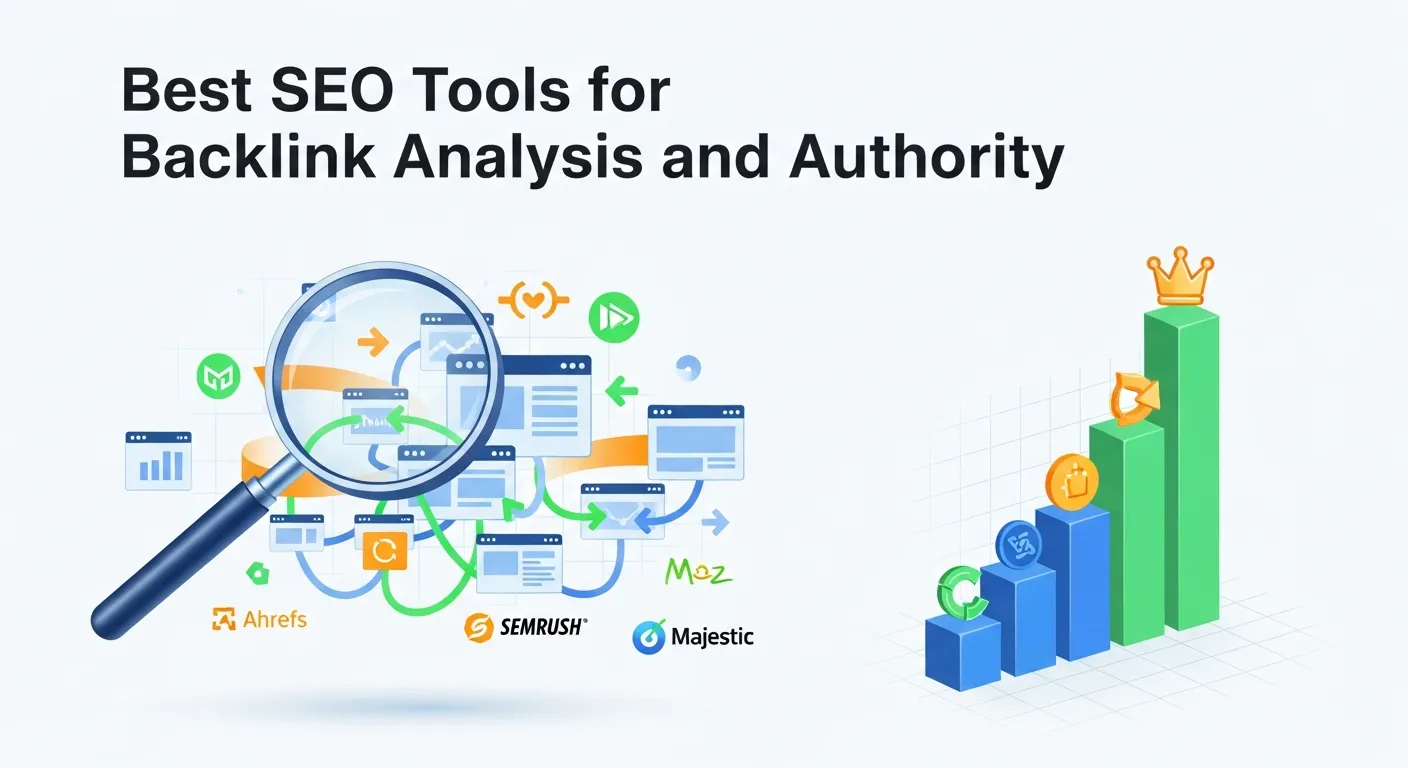
Building brand awareness and authority requires a strong link profile. Links act as votes of confidence in the eyes of search engines.
Ahrefs Site Explorer
Ahrefs remains the gold standard for backlink analysis. Its database provides detailed data on referring domains, anchor texts, and “Link Intersect” features to see where competitors are gaining an edge.
- Best For: Competitor analysis and ethical link building.
- Pricing: Included in standard Ahrefs plans.
Majestic SEO
Majestic specializes solely in backlinks. Its unique metrics, “Trust Flow” and “Citation Flow,” help marketers measure the quality and quantity of their link profile, which is crucial for digital reputation management.
- Best For: Link-building specialists and experts.
- Pricing: Starts at $49.99 per month.
Best All-In-One SEO Solutions
For those who want a “Swiss Army Knife” for their digital marketing, these platforms combine keyword research, site audits, and competitor tracking into one dashboard.
| Tool | Best For | Key Feature | Starting Price |
| Semrush | Agencies & Large Orgs | AI Visibility & PPC Data | $139.95/mo |
| Moz Pro | Medium Businesses | Page Optimization Scores | $99/mo |
| Ubersuggest | Freelancers & SMBs | Affordable Insights | $29/mo (or Lifetime) |
| SE Ranking | Budget-Conscious Teams | White-label Reporting | $55/mo |
Best Free SEO Tools and AI Assistants
As we move into 2026, how AI transforms SEO is a major theme. Free tools and AI assistants are now helping creators generate smart blogging strategies more efficiently.
AnswerThePublic
This tool transforms search data into visual clusters of questions. It’s perfect for brainstorming content that addresses consumer brand marketing needs and long-tail queries.
- Best For: Content creators and bloggers.
- Pricing: Free limited use; Pro starts at $99/mo.
Yoast SEO
If you are running a WordPress site, this plugin is essential. It guides you through optimizing blog posts, meta descriptions, and internal linking structures.
- Best For: WordPress users.
- Pricing: Free; Premium version is $99/year.
ChatGPT & AI Writing Tools
Generative AI is a double-edged sword. While AI writing tools for bloggers can speed up production, the focus must remain on human-created, high-quality content. Use AI for outlining and brainstorming, but ensure the final voice aligns with your brand personality in marketing.
Strategic Deep Dive: Modern SEO Techniques
To truly rise above the noise, marketers must integrate SEO with broader business strategies.
Generative Engine Optimization (GEO)
In 2026, we are no longer just optimizing for “blue links.” Generative Engine Optimization involves structuring your content so that AI models (like Google’s AI Overviews or ChatGPT) can easily cite your brand as an authority. This is achieved through:
- Using Structured Data (Schema Markup).
- Providing concise, direct answers to complex questions.
- Building high E-E-A-T (Experience, Expertise, Authoritativeness, and Trustworthiness).
The Power of Local SEO
For brick-and-mortar businesses, local SEO services are vital. Optimizing your Google Business Profile and encouraging customer reviews are key brand resilience strategies that ensure you appear when customers search “near me.”
Content and Brand Alignment
SEO is most effective when it supports brand positioning. Whether you are engaged in luxury brand marketing or B2B digital marketing strategies, your content must reflect a consistent brand voice strategy. This builds brand equity and improves brand perception over time.
How to Choose the Best SEO Tools for Your Business
With so many options, the choice depends on your specific goals. Ask yourself:
- What is my primary focus? (e.g., video SEO, technical SEO, or guest posting services)
- Am I working solo or with a team? (Agencies might prefer Semrush; freelancers might prefer Ubersuggest).
- What is the budget? (Start with free tools like Google Search Console before moving to paid suites).
Future Opportunities: Scaling with AI-Driven SEO Tools
The future of digital marketing belongs to those who view SEO as Search Everywhere Optimization. We are moving toward a world where discovery happens across a vast ecosystem, and the best SEO tools are the ones that can analyze data across TikTok, YouTube, Amazon, and Google simultaneously.
1. Visual and Multi-Modal Search Optimization
With tools like Google Lens, visual search is a primary traffic driver. The best SEO tools now include “Visual Audit” features that check if your images are high-resolution and properly tagged for AI recognition. For marketers, this means your SEO tools for marketers must now assist in optimizing every image and video asset to be “scannable” by search engines.
2. Omnichannel Search Everywhere Optimization
Marketers are no longer just optimizing for Google. In the coming years, YouTube SEO, Amazon SEO, and even Viral Marketing on TikTok will converge into one strategy. The best SEO tools will provide a “Single Source of Truth,” showing you how a user discovered you on social media and eventually converted on your site. Using comprehensive SEO tools for marketers ensures your brand voice strategy remains consistent whether a user finds you via a voice prompt or a search bar.
3. Predictive SEO and Agentic Marketing
We are entering the era of “Agentic SEO.” Soon, AI agents will not only answer questions but also complete tasks—like booking a dentist or comparing SaaS tools—on behalf of the user. To stay relevant, your website must be optimized for these agents to “read” and “act” upon your services. Utilizing the best SEO tools for technical site health and digital payment solutions will be critical to ensuring these AI agents can successfully navigate your site.
Conclusion
Mastering SEO in 2026 requires a blend of technical expertise, human creativity, and the right technology. By utilizing these best SEO tools, you can gain a competitive edge, refine your content marketing strategy, and build a brand that search engines and users alike will trust for years to come. Whether you are choosing SEO tools for marketers to handle technical audits or AI visibility, the goal remains the same: be the most helpful, authoritative answer on the web.
FAQs
1. What are the best SEO tools for beginners in 2026?
For beginners, the most recommended starting point is Google Search Console and Google Keyword Planner. These are free and provide direct data from Google. For a more user-friendly paid experience, Ubersuggest is excellent for those just learning the ropes.
2. Is traditional SEO still relevant with the rise of AI?
Yes, but it has shifted. While keywords still matter, search engines now prioritize user intent and E-E-A-T. SEO is now about being the most “citeable” and authoritative source for both humans and AI agents.
3. How do AI writing tools impact SEO?
AI writing tools for bloggers can help with efficiency, but “thin” AI content often struggles to rank. The key is to use AI for research and structure while ensuring a human expert provides the unique insights and “experience” that Google’s algorithms crave.
4. What is Generative Engine Optimization (GEO)?
GEO is the practice of optimizing content to be featured in AI-generated search summaries (like AI Overviews). It involves using clear headings, structured data, and “answer-first” formatting to make it easy for AI to pull your information.
5. How can I improve my blog’s page speed?
You can improve blog page speed by using tools like Google PageSpeed Insights. Common fixes include compressing images (using WebP format), leveraging a Content Delivery Network (CDN), and minimizing heavy JavaScript files.
6. What is the difference between Ahrefs and Semrush?
Both are top-tier SEO tools for marketers. Ahrefs is often praised for its superior backlink database and clean UI, while Semrush is viewed as a more comprehensive “all-in-one” suite that includes extensive PPC, social media, and AI visibility tools.
7. How do I build brand authority through SEO?
Authority is built by consistently publishing high-quality, expert-led content and earning backlinks from other reputable sites. This is known as building brand equity in marketing, which signals to search engines that your brand is a trusted leader in its niche.
8. What is the “Zero-Click” trend?
The “Zero-Click” trend refers to search results where the user gets their answer directly on the Google results page (via a snippet or AI summary) and doesn’t click through to a website. Marketers combat this by targeting more complex, “bottom-of-the-funnel” queries that require a full page visit.
9. Are there specific SEO tools for YouTube or Amazon?
Yes! For YouTube SEO, tools like TubeBuddy or VidIQ are essential. For Amazon SEO, specialized tools like Helium 10 or Jungle Scout help sellers optimize product listings for Amazon’s specific A9 algorithm.
10. How often should I perform an SEO audit?
For most businesses, a comprehensive SEO audit should be performed quarterly. However, you should monitor your Google Search Console weekly to catch any sudden crawl errors or ranking drops.