
How to Choose a Profitable Blog Niche
Unlock your potential as a digital entrepreneur by learning how to choose a profitable blog niche that turns your expertise into a sustainable income stream.
This guide outlines a proven framework to help you choose a profitable blog niche. We cover market validation, monetization strategies, and branding techniques to ensure your profitable blog niche stands out in the 2026 search landscape.
The Business of Blogging: Why Your Niche is the Foundation
Blogging offers more than a creative getaway and an online writing repository of your thoughts. It’s a business opportunity. Doing so also provides you with significant passive income, helps build your personal brand, and can even launch your very own company.
But there’s a catch–not every blog topic is created equal. Choosing the wrong category can mean misery, especially when profit is the major aim. This is why you must learn how to choose a profitable blog niche before you even purchase a domain name.
Why Does Choosing the Right Niche Matter?
Before we jump into the practical tips, it’s important to understand why niche selection is so critical. When your blog has a clear and focused direction, you’ll benefit by:
- Targeting a specific audience: Narrowing your topic makes it easier to attract loyal readers.
- Improving monetization opportunities: Brands look for sites with a clear identity to ensure relevance.
- Standing out in a crowded market: A specific focus helps differentiate your blog in an oversaturated space.
6 Steps to Finding a Profitable Blog Niche
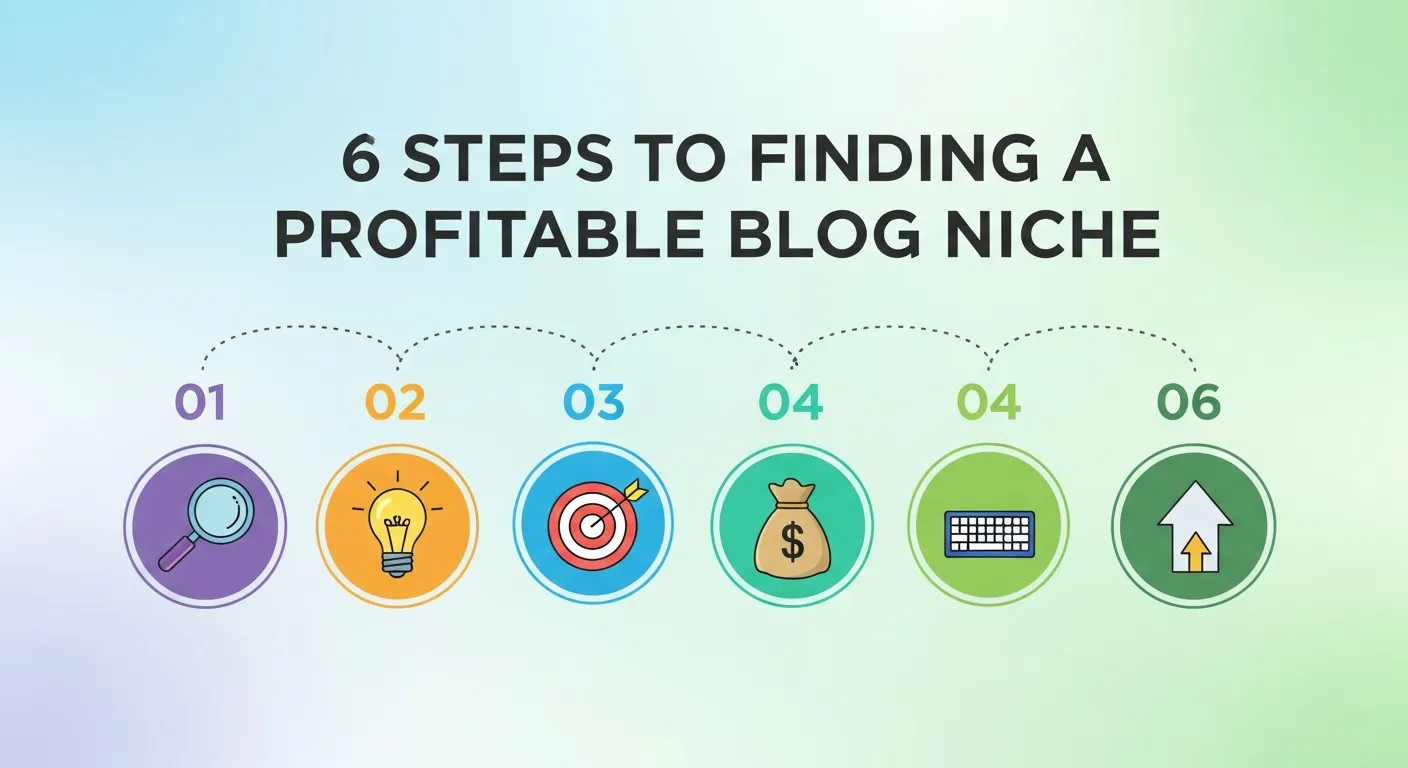
1. Start With Your Passion and Skills
To choose a profitable blog niche, you must start with a foundation of interest. Blogging for money is great, but if you lack interest in your writing, your quality will suffer. Ask yourself:
- What topics do I enjoy learning about for hours?
- What skills do I have that others find valuable?
- What are the common questions people ask me for advice on?
Integrating your personal brand strategy into your topic choice ensures your profitable blog niche feels authentic to your readers.
2. Research Market Demand
Once you’ve brainstormed ideas, validate them. A profitable blog niche needs an audience searching for it. Tools like Google Trends and SEMrush are excellent for gauging demand.
- Search Volume: Look for consistent search volume. For instance, “fitness tips for beginners” receives thousands of monthly searches.
- Seasonal Trends: Some niches see spikes only in certain months. Aim for a profitable blog niche with steady, evergreen interest.
3. Evaluate Competition
Many bloggers get scared off by competition, but it actually signals a profitable blog niche. However, too much competition makes it harder to stand out.
- Look at existing blogs: Are they high quality, or is there room for improvement?
- Search for underserved sub-niches: A broad topic like “personal finance” is competitive. A sub-niche like “finance for millennials with student debt” is often a more profitable blog niche for beginners.
4. Analyze Profit Potential
Even if you’re passionate and there’s demand, you must confirm the niche is monetizable. To choose a profitable blog niche, look for:
- Affiliate programs: Are there brands in your niche with affiliate opportunities?
- Ad potential: High-traffic niches with review-style content perform well.
- Digital Products: Could you sell an eBook or a webinar guide?
5. Test Blog Content Viability
Before committing, do a quick test. Can you write 20 blog post titles in your niche idea? If you can’t imagine writing 100+ posts, it might not be the right profitable blog niche for you long-term.
6. Build Community Focus
A successful profitable blog niche is about building a loyal audience. Use email marketing services to stay connected. When readers view your blog as a community, your brand equity grows.
Profitable Blog Niche Comparison Table
| Niche Category | Demand Level | Primary Monetization | Difficulty |
| Sustainable Living | High | Affiliate Products | Medium |
| Digital Nomad Life | High | SaaS & Remote Tools | Medium |
| Personal Development | Very High | Courses & Coaching | High |
| Specialty Tech | Medium | Reviews & Sponsorships | Low-Medium |
| Parenting Hacks | Very High | CPG Brand Marketing | High |
Scaling Your Personal Brand

Once you choose a profitable blog niche, you need to treat it like a business. This involves brand positioning and a solid brand strategy framework.
Modern SEO & AI
In 2026, how AI transforms SEO is crucial. Use AI writing tools for bloggers to help with outlines, but ensure your brand voice remains human. Focus on Answer Engine Optimization (AEO) to capture traffic from AI search queries.
Marketing Strategies
Don’t just wait for traffic. Use outbound marketing and influencer marketing services to spread the word. A profitable blog niche flourishes when you combine SEO with viral marketing strategies and social media management.
Embracing AI-Driven Content Personalization
In 2026, a static blog is a relic of the past. To choose a profitable blog niche successfully, you must leverage AI transforms SEO strategies to offer “Dynamic Reader Paths.” Modern blogs now use machine learning algorithms to analyze a visitor’s real-time behavior. If a user clicks on three “Passive income” articles in a row, your site should automatically restructure the sidebar or homepage to surface your high-ticket affiliate offers in that category. This level of personalization increases brand awareness and drastically reduces bounce rates by serving the exact content the reader desires at that moment.
The Rise of “Answer Engine Optimization” (AEO)
Search is fundamentally shifting from a list of links to direct, synthesized answers provided by AI agents. When you choose a profitable blog niche, you must prioritize Answer Engine Optimization (AEO). This involves a structural shift: your content should lead with a “Summary for AI” (a 50-word, data-rich paragraph) followed by detailed exploration. Use how to optimize blog posts techniques like FAQ schema markup and clear, question-based headings. If you become the “source of truth” for an AI agent’s answer, you earn “Position Zero” status, which is the most profitable blog niche real estate available in 2026.
Monetizing the Spatial Web and Immersive Intelligence
Spatial computing (AR/VR) has moved from a novelty to a stabilized commerce ecosystem. A profitable blog niche in 2026 might involve “Virtual Home Staging” or “AR Fashion Consulting.” Content creators can now embed 3D models that readers can “place” in their physical environment via their smartphones or AR glasses. This reduces purchase hesitation, making your brand perception in marketing significantly more professional and innovative. Integrating visual search capabilities allows users to point their camera at an object and find your related blog review instantly.
Zero-Party Data: Building Your Own Data Moat
With the total obsolescence of third-party cookies, your brand strategy framework must focus on Zero-Party Data. This is information that users willingly share with you in exchange for value. When you choose a profitable blog niche, implement interactive calculators, personalized surveys, or “Niche Audits.” For example, a finance blogger could offer a “Debt Payoff Calculator” that asks for the user’s goals. This data allows you to perform hyper-personalized outbound email marketing that feels like a 1-on-1 consultation rather than a generic blast.
Ethical Branding and Sustainability as a Niche
Modern consumers in 2026 are highly sensitive to “Greenwashing” and AI misinformation. To choose a profitable blog niche, you must embrace ethical branding. This includes a “Transparency Manifesto” on your site, detailing how you use AI and how you vet your affiliate partners. A profitable blog niche focused on “Radical Transparency in SaaS” or “Sustainable Living for Digital Nomads” builds immense brand resilience. Your commitment to ethics becomes a competitive advantage that improves your digital reputation management.
Interactive Content: The New Engagement Standard
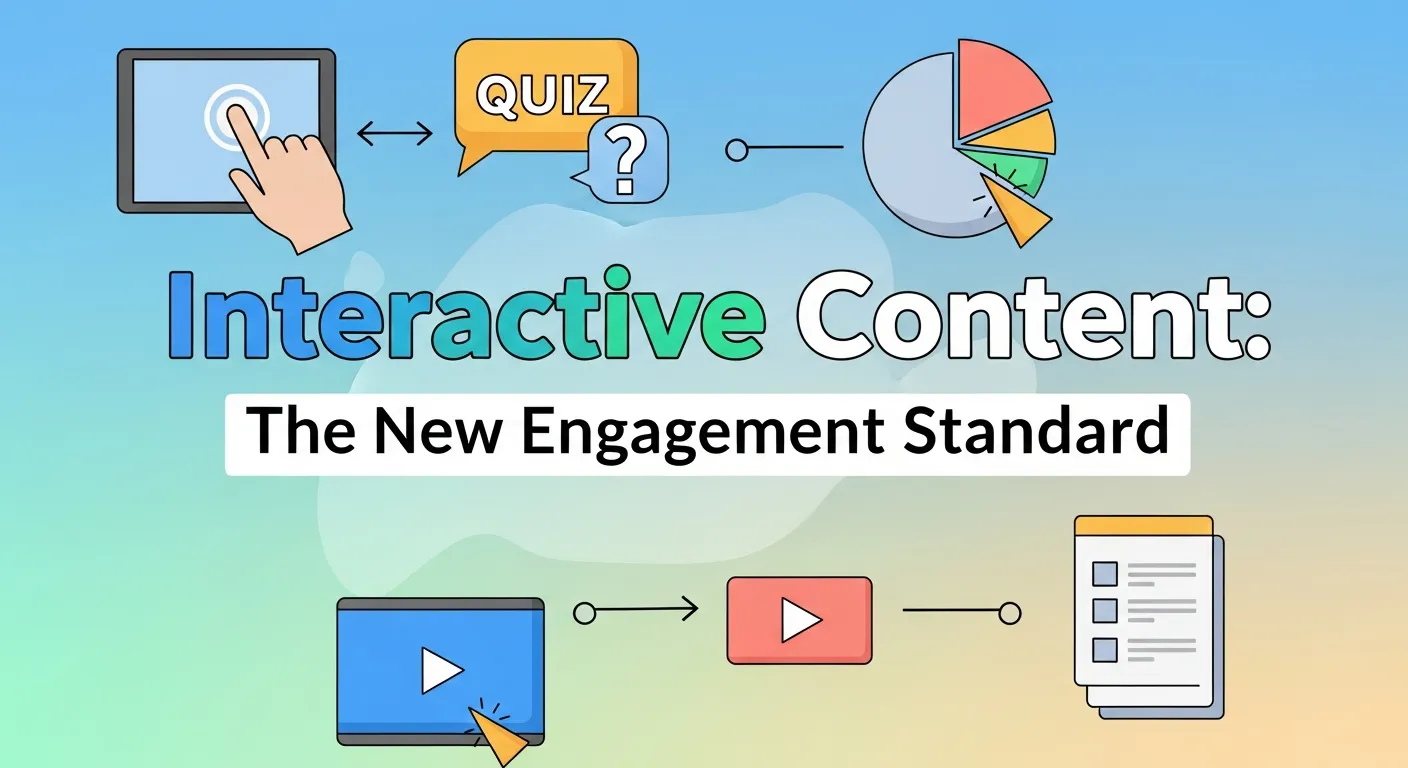
To maintain a profitable blog niche, you must move beyond the “wall of text.” Interactive content—such as creative webinar ideas, shoppable videos, and “choose-your-own-adventure” style tutorials—is now the standard. For instance, instead of a static “How-to” guide, offer a “Interactive Diagnostic Tool” that guides the user to the specific solution they need. This not only keeps users on the page longer (a key SEO signal) but also establishes your user experience and branding as superior to AI-generated competitors.
Community-Led Growth (CLG) Strategies
The future of blogging is shifting from “one-to-many” broadcasts to “many-to-many” communities. When you choose a profitable blog niche, don’t just build a list—build a community. Use Community-Led Growth (CLG) by integrating a Discord, Slack, or Circle space directly into your blog ecosystem. A profitable blog niche thrives when readers can interact with each other, share success stories, and provide real-time feedback. This creates a “flywheel effect” where your community generates its own content and referrals, reducing your reliance on expensive SMS marketing or ads.
Voice and Audio SEO for 2026
With the dominance of smart speakers and in-car AI, voice SEO is non-negotiable. As you choose a profitable blog niche, you must optimize for natural, conversational language. Voice queries are longer and framed as full sentences (e.g., “What is the best way to start a profitable blog niche for stay-at-home parents?”). Use “Speakable Schema” to help voice assistants read your key summaries aloud. This ensures your brand remains visible even when your audience is driving, cooking, or multitasking.
Micro-SaaS as a Blogging Extension
The most successful bloggers are no longer just writers; they are “Solution Architects.” A profitable blog niche can be exponentially scaled by launching a Micro-SaaS. If you have a blog about “Gardening for Urbanites,” you could develop a simple “Plant Watering & Sunlight Tracker” app. This transition from “Content to Tool” is the ultimate brand extension marketing move. It provides a recurring subscription revenue stream that complements your passive affiliate income.
Future Opportunities: Predictive Trend Marketing

The ultimate skill in 2026 is predictive trend marketing. By using AI to analyze social signals and search patterns, you can choose a profitable blog niche sub-topic before it becomes saturated. For example, by spotting an uptick in “Sonic Branding” mentions, you could pivot your marketing blog to cover this micro-trend weeks before your competitors. Being an early mover in a “Micro-Trend” allows you to dominate the rankings with minimal effort, making it the most efficient way to maintain smart blogging strategies.
Conclusion
The path to digital success is clear: you must choose a profitable blog niche that balances market demand with your unique perspective. By following this 6-step framework, you ensure that your profitable blog niche is not just a hobby, but a scalable business. Start your research today and build the brand you’ve always dreamed of.
FAQs
1. How do I choose a profitable blog niche if I have many interests?
Start by identifying which of your interests has the highest market demand and the most monetization potential through affiliate or CPG brand marketing.
2. Can I succeed without a specific niche?
It is much harder. To choose a profitable blog niche means to focus your SEO and authority. General blogs often struggle to rank for competitive terms.
3. Is “Tech” still a profitable blog niche?
Yes, but it is broad. You should choose a profitable blog niche within tech, like “AI productivity tools for writers” or “smart home security.”
4. How do I improve my blog’s page speed?
Focus on how to improve blogs page speed by using lightweight themes, optimizing images, and choosing premium domain & hosting services.
5. What is the most profitable way to monetize?
For most, a profitable blog niche makes the most money through a mix of high-ticket affiliate programs and selling their own digital services or courses.
6. Do I need to be an expert?
You need enough knowledge to provide value. Your personal reputation management depends on providing accurate, helpful information.
7. How do I promote my blog?
Learn how to promote blog content through YouTube SEO, guest posting services, and SMS marketing.
8. What is a niche?
In blogging, a niche is a specific topic or theme that your content revolves around, targeted at a particular audience.
9. How do I use outbound marketing for my blog?
Outbound marketing involves reaching out to other brands for collaborations or using outbound email marketing to build partnerships.
10. How long before my blog is profitable?
Typically, if you choose a profitable blog niche and post consistently, you can see revenue within 6 to 12 months.