What Is Trademark Niche Blogs Are and Why They Matter

Trademark niche blogs are specialized digital powerhouses that bridge the gap between complex intellectual property law and actionable branding strategy. For anyone asking what is trademark niche blogs, these platforms provide the ultimate roadmap for long-term legal protection.
This guide explores the definition of trademark niche blogs, their role in Brand Resilience Strategies, and how to launch one. We cover Answer Engine Optimization, AI integration, and leveraging these platforms for Digital Reputation Management and Passive income through blogging in a competitive 2026 landscape.
What Is Trademark Niche Blogs?
A trademark niche blog is a hyper-focused digital platform dedicated to the intersection of intellectual property (IP) law and specific industry branding. Unlike broad legal websites, trademark niche blogs provide deep-dive analysis into how trademarks affect a particular sector—such as tech, fashion, or SaaS.
When people ask, “what is trademark niche blogs?”, they are essentially looking for a specialized knowledge hub. These platforms translate complex legal jargon into actionable business strategies. By focusing on a narrow slice of the market, trademark niche blogs become indispensable for professionals who need to navigate registration, litigation, and Brand Positioning Strategy within their unique competitive landscape.
Effective trademark niche blogs don’t just report news; they offer strategic foresight. If you are starting one, you must understand that trademark niche blogs serve as both a shield and a lighthouse for brands navigating the digital economy.
The Strategic Importance of Trademark Niche Blogs

In an era of digital saturation, Brand Awareness is no longer enough; you need Brand Resilience Strategies. Trademark niche blogs provide the educational foundation for both.
- Targeted Expertise and Trust: Generic advice can be dangerous. A trademark niche blog offers specialized insights—a tech founder gets advice on software class filings, while a boutique owner learns about trade dress. This is the hallmark of why trademark niche blogs are superior to general legal blogs.
- Proactive Brand Protection: According to Wikipedia, a trademark is a recognizable sign or design which identifies products. Protecting that sign requires constant vigilance. Trademark niche blogs educate users on Brand Monitoring Services to avoid Brand Cannibalization.
- Mastering the Legal Current: Laws evolve. Whether it’s Sensory Branding or international protocols, trademark niche blogs keep readers ahead of the curve, which is vital for Brand Crisis Management.
How to Build a High-Authority Trademark Niche Blog

Building successful trademark niche blogs requires more than just writing; it requires Smart Blogging Strategies. Follow this roadmap to move from a basic site to an industry-leading resource.
Step 1: Defining Your Niche and Brand Personality
Before you write, you must determine what is a niche in the context of your goals. To make trademark niche blogs successful, are you focusing on Luxury Brand Marketing or B2B Digital Marketing Strategies?
- Identify the Gap: Look for industries where trademark niche blogs are sparse.
- Develop a Brand Archetype: Use a Brand Archetypes Framework to decide if your trademark niche blog is the “Sage” (educational) or the “Guardian” (protective).
Step 2: SEO and Keyword Research
To get trademark niche blogs found, you must master Answer Engine Optimization and traditional SEO. Use tools like SEMrush or Ahrefs to find high-intent keywords.
- Focus Keywords: Naturally integrate “Trademark Niche Blogs” and “What Is Trademark Niche Blogs.”
- Long-Tail Strategy: Target specific queries like “how to trademark a logo for a fashion startup” within your content.
Step 3: Content Creation and AI Integration
While Ai Writing Tools for Bloggers speed up the process, these blogs require human legal accuracy. Use AI for outlines, but ensure a human expert reviews the Brand Voice Strategy. Combine “How-To Guides” with Rebranding Case Studies to provide social proof.
Step 4: Technical Optimization and Page Speed
User experience (UX) is a ranking factor. You must know how to improve blogs page speed to keep bounce rates low. Utilize a Guide to mastering wordpress to ensure your backend is lean and implement Digital Payment Solutions for future consulting via your platform.
Step 5: Promotion and Outbound Marketing
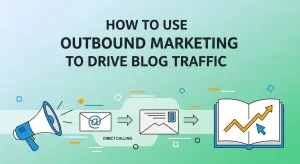
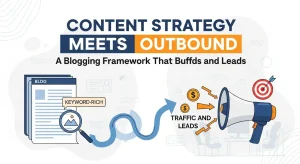
Don’t wait for traffic to find you. Use Outbound Marketing and Inbound Marketing in tandem.
- Outbound Email Marketing: Reach out to industry influencers to feature your platform.
- Social Media: Use Viral Marketing Strategies on LinkedIn to share “Hot Takes” on recent disputes, driving traffic back to your site.
Leveraging Trademark Niche Blogs for Business Growth

A trademark niche blog is the ultimate lead-generation engine. It transitions a reader from seeking “what is trademark niche blogs” to seeking a professional partner.
Building Brand Equity
By consistently providing value, you increase Brand Equity In Marketing. This makes your services—whether they are Local SEO Services or Legal Counsel—more valuable because they are backed by the authority of established trademark niche blogs.
Conversion Through Authority
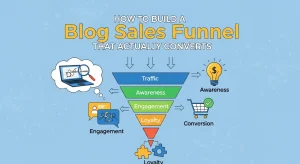
Use Customer Journey Mapping to see where a reader turns into a lead. A well-placed CTA after a post about Brand Positioning Strategy can lead a reader to book a Brand Audit.
| Strategy Type | Focus Area | Benefit |
| Inbound | SEO, Content, White papers | Long-term growth |
| Outbound | Email, LinkedIn, PR | Immediate leads |
| Reputation | Reviews, Crisis Mgmt | Builds trust |
Advanced SEO Strategies for Trademark Niche Blogs
To keep competitive, you must look beyond basic keywords.
- Video SEO: Create short clips explaining recent cases to master YouTube SEO.
- Ethical Link Building: Reach out to legal directories to link to your domain.
- Local SEO Services: If your platform represents a firm, ensure you appear in “near me” searches.
- SEO Audit Guide: Regularly check your site health to maintain the integrity of trademark niche blogs.
The 2026 Shift: How AI Transforms SEO
In 2026, the visibility of your platform depends on Answer Engine Optimization (AEO).
- Agentic Commerce Alignment: AI agents now browse content to make decisions. Use structured data so agents cite your site.
- Generative Engine Optimization (GEO): Ensure your articles provide authoritative answers in the first 100 words.
- Predictive Trend Marketing: Use AI to analyze global filings, allowing you to cover “Class 9” (virtual goods) trends before they peak.
Web3 and the Metaverse: Protecting Digital Reputation
The “Internet of Value” has introduced new headaches for legal bloggers to solve:
- Blockchain Domain Squatting: Discuss the risks of .eth or .sol domains. This is a massive opportunity for Digital Reputation Management.
- NFT Brand Protection: You must cover precedents like the “MetaBirkin” case. Explain how brands use Brand Monitoring Services.
- Phygital Branding: As brands release physical goods with digital twins, you can explore Sonic Branding in virtual spaces.
The “Dupe Wars” and Luxury Brand Marketing

2026 is the year of the “Dupe,” and specialized blogs are the front line of defense.
- Trade Dress Protection: Luxury Brand Marketing focuses on protecting the “look and feel.”
- Consumer Perception: Analyze Brand Perception In Marketing. Use a Brand Strategy Consulting Guide within your posts to help businesses reinforce Ethical Branding.
- Case Studies: Use a Rebranding Case Study of a company that successfully fought copycats.
Monetization 2.0: Beyond Ads to Passive Income
For those wondering how to invest blogging income, 2026 offers diversified streams.
- The “Freemium” Community: Offer a free site but use a Webinar Sales Funnel for paid courses.
- SaaS and Tool Integration: Partner with SaaS Development Services to offer a search tool.
- Lead Gen for Legal Hubs: Your platform acts as a filter for Trademark Litigation leads.
Sustainable Branding and the “Green” Trademark
Sustainability is a legal mandate that trademark niche blogs must address.
- Ethical Branding: Platforms focusing on Fashion Marketing Strategies should explore “Greenwashing” litigation.
- The Circular Economy: Discuss Brand Adaptation Strategies in your articles.
- Cradle-to-Cradle Design: Position your site as a guide for the “Triple Bottom Line.”
Reputation Management and Brand Safety
In a world of viral content, these blogs protect brand equity.
- Negative Content Management: Teach readers how to use Brand Monitoring Services.
- The Dark Side of Viral Marketing: Discuss the Psychology of Trend Marketing to avoid Genericide.
- Personal Reputation Management: Helping solo entrepreneurs protect their names is a key focus.
Future Opportunities: The Next Decade of IP
The future involves redefining “ownership.”
- Quantum-Resistant Branding: Secure blockchain-based marks.
- Agentic Commerce: Teach brands how to be the “Preferred Vendor” in AI databases.
- Space-Age IP: Use Smart Blogging Strategies to be the first to discuss “Extra-terrestrial IP Jurisdiction.”
The 2026 Frontier: Sensory Trademarks and AI Identity
As we move deeper into 2026, the definition of what constitutes a “mark” is expanding. Trademark niche blogs are now focusing on the legal protection of human identity—specifically voice and likeness—as a defense against AI-generated deepfakes.
Protecting the “Human Brand”
In a major shift, public figures like Matthew McConaughey have successfully registered sensory trademarks (sound marks) for iconic catchphrases and vocal delivery styles. This strategy allows trademark niche blogs to teach business owners how to protect their own “digital twin.”
- Vocal Timbre and Sound Marks: If your voice is your brand (e.g., podcasting or keynote speaking), you can now register specific audio signatures.
- The NO FAKES Act of 2026: This new federal legislation provides a nationwide right of publicity. Trademark niche blogs that cover this act are seeing a surge in traffic as creators scramble to secure their digital replicas.
Conclusion
Understanding what is trademark niche blogs is the first step toward dominating your professional space. By combining legal precision with Smart Blogging Strategies, trademark niche blogs protect brands and build authoritative business assets. Start your journey today to secure your digital territory.
FAQs
1. What is trademark niche blogs’ primary purpose?
The primary purpose is to provide specialized, industry-specific expertise on trademark law. They help businesses protect their IP while establishing the blog owner as a thought leader.
2. How do I choose a profitable blog niche within trademarks?
To understand how to choose a profitable blog, look for sectors with complex regulations like Fintech. High-value industries are the perfect target for trademark niche blogs.
3. Can I use AI writing tools for my content?
Yes, Ai Writing Tools for Bloggers are excellent for outlines. However, legal content requires human expertise to ensure accuracy and Brand Safety In Digital Marketing.
4. How can I promote my blog without a huge budget?
Focus on Smart Blogging Strategies like guest posting and Personal Reputation Management. SEO is the best long-term investment.
5. How often should I perform a SEO audit?
Use an Seo audit Guide every quarter. This ensures your site remains healthy and ranks for the query “what is trademark niche blogs.”
6. What is the difference between Inbound and Outbound Marketing?
Inbound draws readers through SEO, while Outbound Marketing involves proactive outreach to potential clients.
7. How do I maintain Brand Consistency?
Create a Brand Strategy Framework. Building Brand Consistency ensures your platform looks professional and authoritative.
8. What are some creative webinar ideas for a legal blog?
Use Creative Webinar Ideas like “Live Trademark Searches.” Trending Webinar Topics help capture high-quality leads.
9. How do I protect my own blog’s brand?
Register your blog’s name as a mark. Use Digital Reputation Management to monitor mentions of your site online.
10. How do I monetize my platform?
Beyond ads, you can offer Brand Strategy Consulting or White label seo services. You can also generate Passive income through blogging via software affiliates.