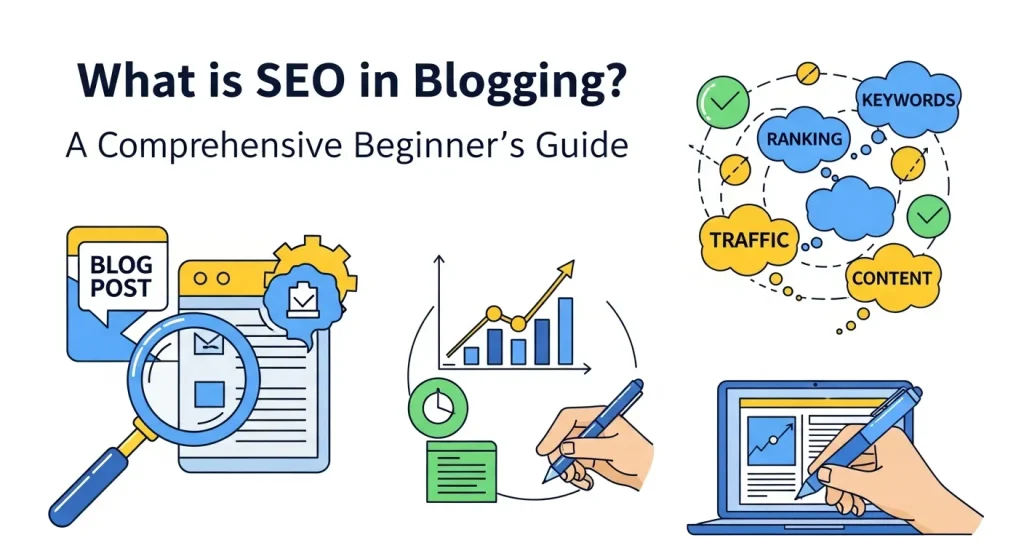
What is SEO in Blogging? A Comprehensive Beginner’s Guide
Understanding what is SEO in blogging is the definitive turning point for any creator transitioning from a hobbyist to a professional digital entrepreneur seeking sustainable organic growth.
This comprehensive guide explores the mechanics of SEO in blogging, covering keyword research, on-page optimization, and technical health. You will learn how to leverage AI writing tools for bloggers, master outbound marketing, and implement smart blogging strategies to build a high-authority, profitable digital brand.
What is SEO in Blogging? A Comprehensive Beginner’s Guide
In the vast digital ocean of the internet, millions of blog posts are published every single day. You might be writing the most “beautifully literate” works in the world, but without a map, your readers will never find you. That map is SEO (Search Engine Optimization).
Understanding the Core: What is SEO in Blogging?
At its heart, SEO in blogging is the practice of refining your content and website structure to be more “attractive” to search engines like Google, Bing, and DuckDuckGo. When someone types a query into a search bar, the engine’s algorithm scours the web to find the most relevant, authoritative, and user-friendly answer.
By mastering SEO in blogging, you aren’t just writing for people; you are communicating with algorithms to prove that your content deserves the #1 spot.
Why SEO is the Lifeblood of Your Blog
- Visibility and Reach: Higher rankings mean more “eyeballs” on your content.
- Compounding ROI: Unlike outbound marketing (like cold emails) or paid ads, SEO traffic is “free” and grows over time.
- Brand Authority: Ranking on the first page establishes brand perception in marketing as a leader in your niche.
Foundations of a Successful Blog
Before you can master how to optimize blog posts, you must have a solid foundation.
Choosing a Profitable Blog Niche
A niche is a specialized segment of the market. To understand how to choose a profitable blog, you must balance your passion with market demand. Using a brand strategy framework, you can identify if your chosen topic has “legs.”
- High Demand: Use tools like Ahrefs to check search volume.
- Monetization Potential: Can you offer SaaS development services, affiliate products, or luxury brand marketing insights?
Smart Blogging Strategies
Success doesn’t happen by accident. Smart blogging strategies involve:
- Competitor Brand Analysis: What are others in your niche doing?
- Content Pillars: Creating “hub” pages that link to smaller “spoke” posts.
- User Experience (UX): Ensuring the user experience and branding are seamless.
Technical SEO and Site Performance
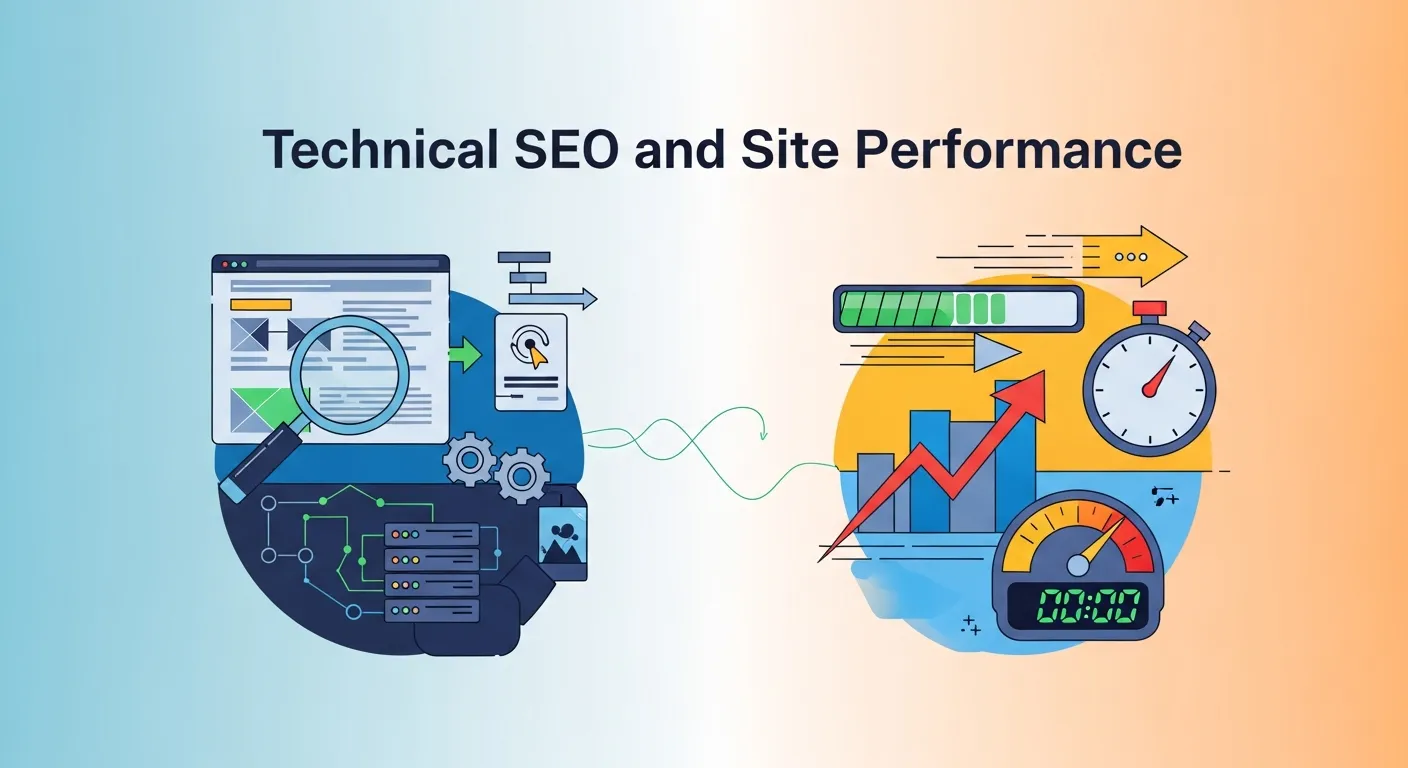
You can have the best content, but if your site takes 10 seconds to load, Google will penalize you.
How to Improve Blog Page Speed
Site speed is a confirmed ranking factor. To optimize:
- Compress Images: Use WebP formats.
- Caching: Implement tools like WP Rocket.
- Hosting: Invest in high-quality domain & hosting services.
Guide to Mastering WordPress
WordPress is the gold standard for SEO. A guide to mastering WordPress includes:
- Installing an SEO plugin (like Yoast or RankMath).
- Setting up a Sitemap.
- Ensuring mobile optimization is active.
The Art of Keyword Research
SEO in blogging lives and dies by keywords. These are the bridge between a user’s problem and your solution.
| Keyword Type | Definition | Example |
| Short-Tail | Broad, high volume | “Blogging” |
| Long-Tail | Specific, lower volume | “How to start a blog for beginners 2026” |
| LSI Keywords | Semantically related terms | “Content strategy,” “Search rankings” |
How to Find Keywords
Beyond Google Keyword Planner, consider Answer Engine Optimization (AEO). With the rise of AI, people are asking full questions. Your keyword strategy should include “Who, What, Where, Why” phrases.
On-Page Optimization (How to Optimize Blog Posts)
Once you have your keyword, you must place it strategically. This is where SEO in blogging becomes actionable.
The Perfect Optimization Checklist
- Meta Title: Must include the focus keyword.
- URL Slug: Keep it short (e.g.,
/what-is-seo-in-blogging/). - H1-H3 Tags: Use headers to break up text and include LSI keywords.
- Internal Linking: Link to your other posts to build brand equity in marketing.
- Outbound Links: Link to authoritative sites like Wikipedia or SEMrush to show you’ve done your research.
Leveraging AI Writing Tools for Bloggers
In 2026, how AI transforms SEO is a hot topic. Using AI writing tools for bloggers can help you generate outlines, find LSI keywords, and improve brand voice. However, always add a “human touch” to ensure brand consistency.
Off-Page SEO and Authority Building Building
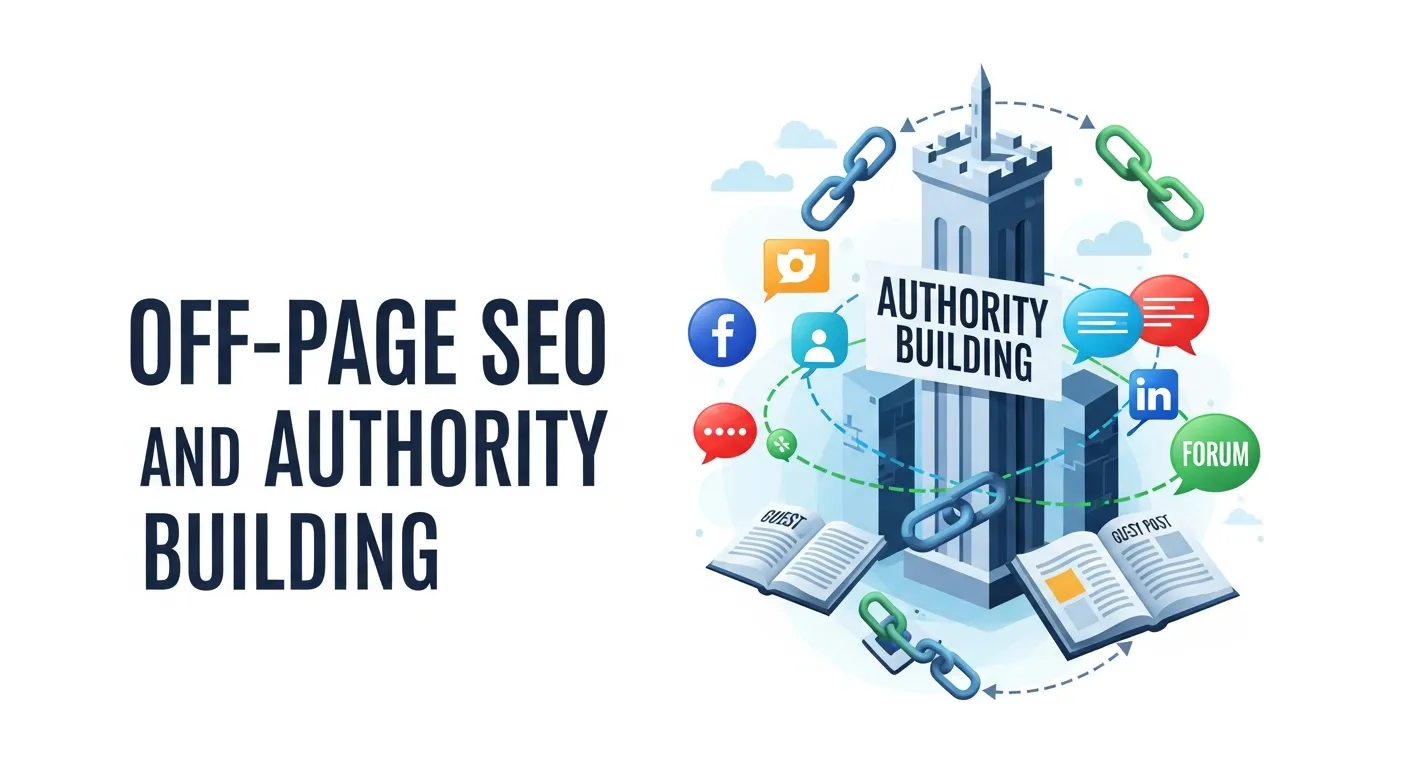
The Power of Backlinks
A backlink is a vote of confidence. Ethical link building involves:
- Guest Posting Services: Writing for other reputable sites.
- Digital Reputation Management: Ensuring your brand is mentioned positively across the web.
- Online PR Services: Getting featured in news outlets.
Outbound Marketing vs. Inbound Marketing
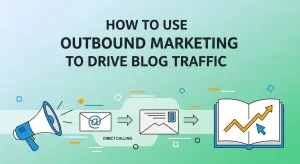
While SEO is inbound marketing (they find you), you can use outbound marketing (like SMS marketing or outbound email marketing) to promote your latest posts and drive initial traffic.
Brand Strategy and Content Marketing
Your blog is a brand. To stand out, you need a personal brand strategy.
Developing Your Brand Voice
Whether you are focusing on luxury brand marketing or CPG brand marketing, your brand voice strategy must be consistent. Are you the “expert friend” or the “authoritative professor”?
Viral Marketing Tactics
Sometimes, you want a post to explode. Viral marketing strategies involve:
- Psychology of Trend Marketing: Tapping into what’s “now.”
- Meme Marketing: Using humor to gain shares.
- Viral Social Media Campaigns: Leveraging TikTok or Instagram to point back to your blog.
Monetization and Growth
Passive Income Through Blogging
Once the traffic from SEO in blogging starts flowing, you can generate passive income through blogging via:
- Amazon SEO: Optimizing product reviews for affiliate sales.
- YouTube SEO: Cross-promoting video content.
- Digital Payment Solutions: Selling your own e-books or courses.
How to Invest Blogging Income
Don’t just spend your earnings. How to invest blogging income includes:
- Reinvesting in SEO services or a SEO audit guide.
- Hiring software development services to build a custom tool for your readers.
- Improving brand architecture through professional web design & development.
Advanced SEO: The Future of Blogging
Answer Engine Optimization (AEO)
With AI search (SGE), your content needs to be “snippet-ready.” Direct answers at the top of your post help you rank in “Position Zero.”
Local SEO Services
If your blog serves a specific geography (e.g., a “New York Food Blog”), local SEO services and Google Business Profile optimization are essential.
Ethical Branding and Sustainability
In a world of “fake news,” ethical branding and brand resilience strategies ensure your blog survives algorithm updates.
Summary Table: Key Components of SEO in Blogging
| Component | Goal | Tool/Strategy |
| Technical | Site Health | Page Speed, SSL, Mobile-Friendly |
| On-Page | Relevance | Keywords, Meta Tags, H-Tags |
| Off-Page | Authority | Backlinks, Guest Posting, PR |
| Content | Engagement | AI Writing Tools, Storytelling |
| Brand | Trust | Brand Voice, Consistency |
To truly master what is SEO in blogging in 2026, you must look beyond traditional keywords. The landscape has shifted from “searching for links” to “asking for answers.”
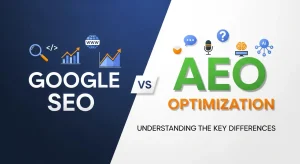
Answer Engine Optimization (AEO): Beyond the Click
In 2026, SEO in blogging is no longer just about ranking in the “10 blue links.” It has evolved into Answer Engine Optimization (AEO). With AI assistants like ChatGPT, Gemini, and Perplexity handling nearly 25% of global queries, your goal is to be the “source of truth” that these AI models cite.
- Front-Load the Value: Start your posts with a 40–60 word direct answer to the primary question. This “punchline first” approach makes it easy for AI to scrape and credit your blog.
- Q&A Schema Markup: Use technical schema markup to tell search engines exactly which parts of your post are questions and which are answers.
- Zero-Click Visibility: Even if a user doesn’t click your link, appearing as the cited source in an AI overview builds massive brand awareness and trust.
Generative Engine Optimization (GEO)
While traditional SEO focuses on algorithms, Generative Engine Optimization (GEO) focuses on how Large Language Models (LLMs) summarize information. To optimize for generative search:
- Cite Sources Relentlessly: AI models favor content that links to high-authority data. Use outbound marketing to connect with industry reports.
- Be Machine-Readable: Use clear, simple language. Avoid overly flowery prose that might confuse an AI trying to summarize your “sourdough bread recipe.”
- Entity Authority: Establish your blog as an “Entity.” Instead of just targeting the keyword “yoga,” become the recognized authority on “Restorative Yoga for Tech Workers.”
The Rise of Multi-Modal Content
SEO in blogging is no longer a text-only game. Search engines now index images, video scripts, and even audio files.
- Video Integration: Every major blog post should have a supporting short-form video (TikTok/Reels) or a YouTube deep dive. This is a smart blogging strategy to capture the 45% of Millennials who now prefer social media for search.
- Interactive Tools: Static reading is declining. Blogs that feature ROI calculators, diagnostic quizzes, or interactive infographics see higher “dwell time,” a critical ranking signal.
- Podcast Syncing: Use sonic branding by embedding audio versions of your posts to cater to the growing “on-the-go” audience.
Advanced Monetization: Investing Your Blogging Income
Once you’ve mastered how to promote your blog and the traffic is steady, it’s time to move beyond basic display ads.
- Brand Extension Marketing: Use your blog’s authority to launch physical products or SaaS development services.
- Co-Branding Partnerships: Collaborate with other influencers to create “irresistible webinar offers” or exclusive gated content.
- Direct Ad Sales: Skip the middleman (AdSense) and sell your “digital real estate” directly to brands in your niche, significantly increasing your passive income through blogging.
Future Opportunities: Blogging in 2027 and Beyond
The future of SEO in blogging belongs to those who prioritize “Human-Centricity” in an AI-saturated world.
| Opportunity | Description | Action Step |
| Hyper-Personalization | Using AI to show different content to different readers based on their history. | Implement AI-driven recommendation engines on your site. |
| Community-Led Growth | Moving from “broadcasting” to “conversing” in private Slack or Discord groups. | Start a “Inner Circle” newsletter or community. |
| Agentic AI SEO | Optimizing your site so AI “agents” can perform actions (like booking a tour directly from your travel blog). | Ensure your site has clean APIs and structured data. |
| Ethical & Sensory Branding | Focusing on brand “feel” and transparency to combat AI distrust. | Publish a “Transparency Report” and use a unique, human brand voice. |
Conclusion
Mastering what is SEO in blogging is a marathon, not a sprint. By combining smart blogging strategies with technical excellence and a strong personal brand strategy, you can turn a simple website into a traffic-generating powerhouse. Start optimizing today, stay consistent, and watch your digital footprint grow into a lasting legacy.
FAQs
1. What is the most important part of SEO in blogging?
The most important part is user intent. While keywords matter, if your content doesn’t answer the reader’s question effectively, search engines will eventually drop your ranking. High-quality content is the foundation.
2. Can I use AI writing tools for bloggers without getting penalized?
Yes, but use them as an assistant, not a replacement. Google rewards “E-E-A-T” (Experience, Expertise, Authoritativeness, and Trustworthiness). Ensure your AI-generated content is fact-checked and includes personal insights.
3. How long does it take to see results from SEO?
Typically, it takes 3 to 6 months to see significant movement in rankings. SEO is a long-term brand positioning strategy that builds compound interest over time.
4. What is a “niche” and why do I need one?
A niche is your specific topic of expertise. Having a niche helps you build brand authority faster because search engines recognize you as an expert in one specific area rather than a generalist.
5. What is the difference between Inbound and Outbound Marketing?
Inbound marketing (like SEO) draws customers to you through helpful content. Outbound marketing involves reaching out to them directly via SMS marketing, outbound email, or traditional ads.
6. How do I improve my blog’s page speed?
You can improve speed by using a lightweight theme, compressing images, using a Content Delivery Network (CDN), and choosing high-quality domain & hosting services.
7. What are LSI keywords?
LSI (Latent Semantic Indexing) keywords are terms related to your main topic. For “What is SEO in blogging,” LSI keywords might include “organic traffic,” “search engine rankings,” and “meta descriptions.”
8. How do I get high-quality backlinks?
Focus on ethical link building. This includes guest posting on reputable sites, creating original research/data that others want to cite, and using online PR services.
9. Does social media help my blog’s SEO?
While social signals are not a direct ranking factor, a viral social media campaign can drive massive traffic and lead to natural backlinks, which do help SEO.
10. What is an SEO Audit?
An SEO audit guide helps you identify broken links, slow pages, and “thin” content. Regularly performing a brand audit and SEO checkup ensures your site stays healthy and competitive.