Ultimate Guide to Automatic Blogging with WordPress
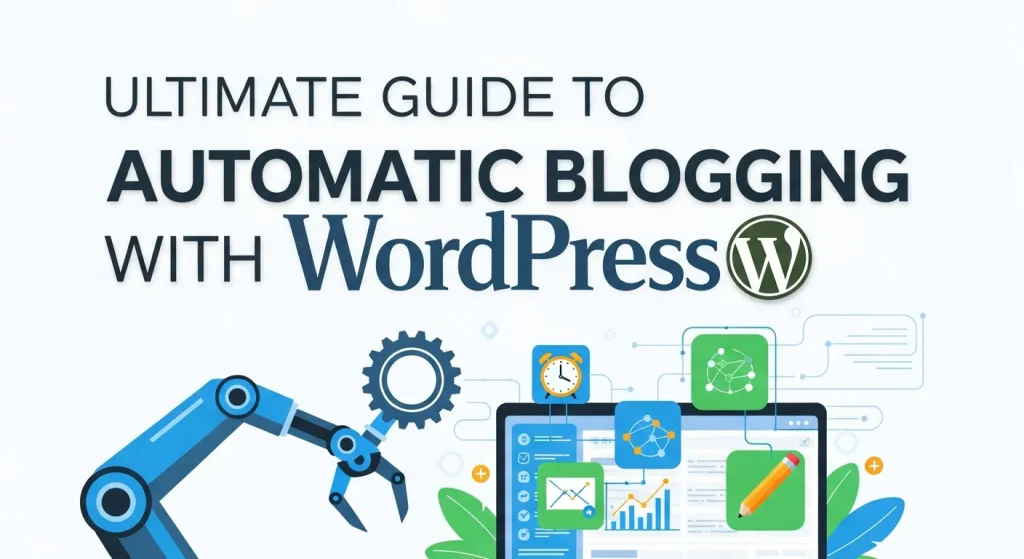
Automatic blogging with WordPress transforms your website into a self-sustaining powerhouse. By leveraging smart automation, you can maintain consistency and scale your digital presence without the constant grind of manual publishing.
This guide explores the mechanics of automatic blogging with WordPress, covering AI writing tools, RSS aggregation, and social media integration. We delve into SEO optimization, brand authority, and strategic workflows to help you generate passive income while maintaining high-quality content standards.
The Evolution of Content: Why Automatic Blogging with WordPress is the Future
In the modern digital landscape, the demand for fresh content is insatiable. For many site owners, the hurdle isn’t a lack of ideas—it’s a lack of time. Automatic blogging with WordPress allows you to bridge this gap by using technology to handle the heavy lifting of content curation, scheduling, and distribution.
When executed correctly, an automated blog isn’t just a “bot site.” It is a sophisticated platform that uses smart blogging strategies to provide value. Whether you are focusing on passive income through blogging or building a B2B digital marketing strategy, automation is your greatest force multiplier.
The Core Benefits of Automation
- Efficiency: Reduce the hours spent on the WordPress editor.
- SEO Dominance: Maintain the “freshness” factor that search engines love.
- Scalability: Manage multiple niche sites simultaneously.
- Global Reach: Schedule posts to hit peak engagement times in different time zones.
Integrating AI Writing Tools for Bloggers
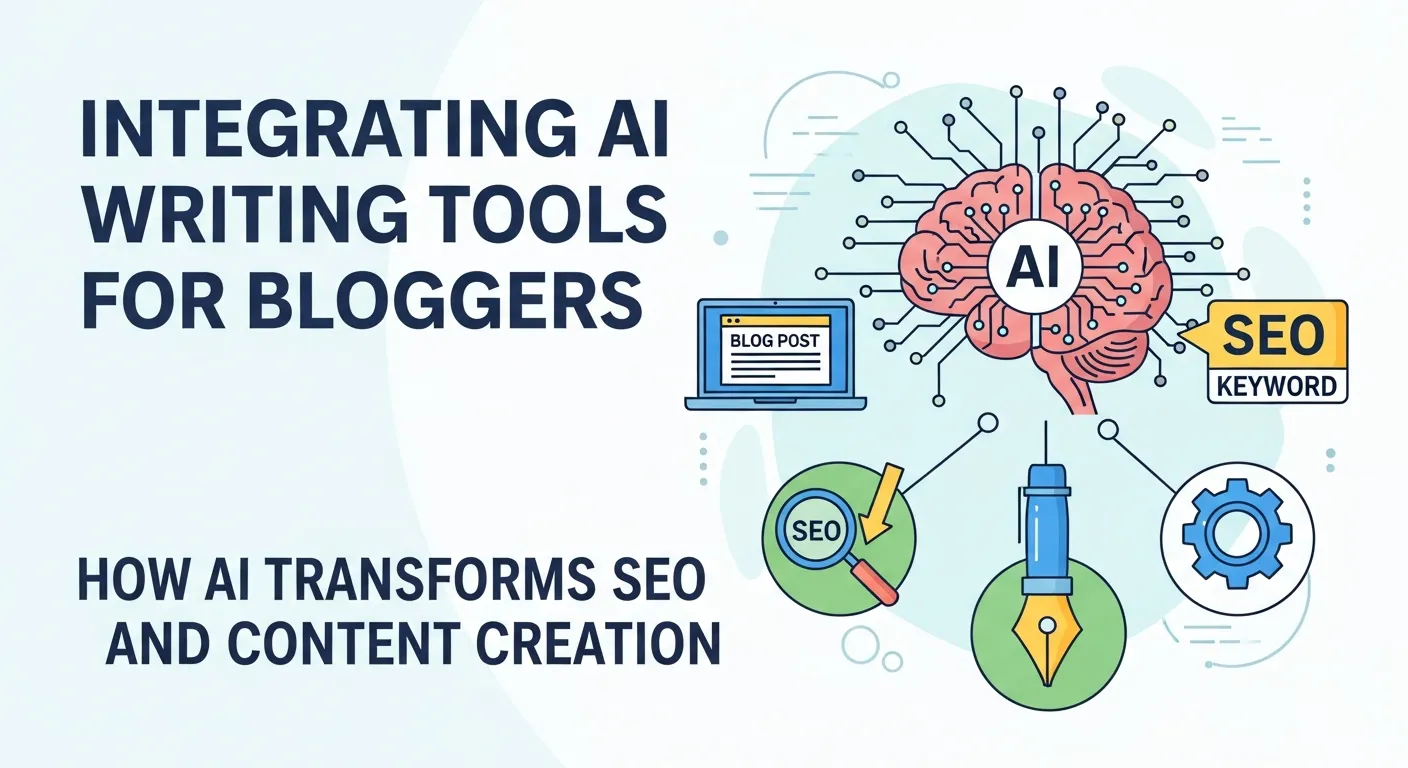
The rise of Generative AI has revolutionized automatic blogging with WordPress. Unlike old-school “article spinners” that produced unreadable gibberish, modern AI writing tools for bloggers can generate coherent, researched, and tone-specific drafts.
How AI Transforms SEO and Content Creation
Using AI is no longer about cutting corners; it’s about brand adaptation strategies. By integrating AI with WordPress, you can:
- Generate Outlines: Use AI to map out comprehensive guides based on predictive trend marketing.
- Optimize on the Fly: Tools can now perform a SEO audit guide check while the content is being generated.
- Personalize at Scale: Adjust your brand voice strategy to match different audience segments automatically.
Essential Plugins for Automatic Blogging with WordPress
To build a robust system, you need the right tech stack. Here are the pillars of a successful automated workflow:
| Tool Category | Recommended Plugin/Service | Purpose |
| Content Curation | WP RSS Aggregator | Fetches and posts content from high-authority RSS feeds. |
| Social Automation | Revive Old Posts / Jetpack | Re-shares evergreen content to boost brand awareness. |
| SEO Optimization | Yoast SEO / Rank Math | Automates technical SEO and metadata generation. |
| Workflow Logic | IFTTT / Zapier | Connects WordPress to external apps for integrated marketing. |
| AI Integration | ContentBot / AI Engine | Automates post generation using LLMs like GPT-4. |
Strategic Content Curation and RSS Feeds
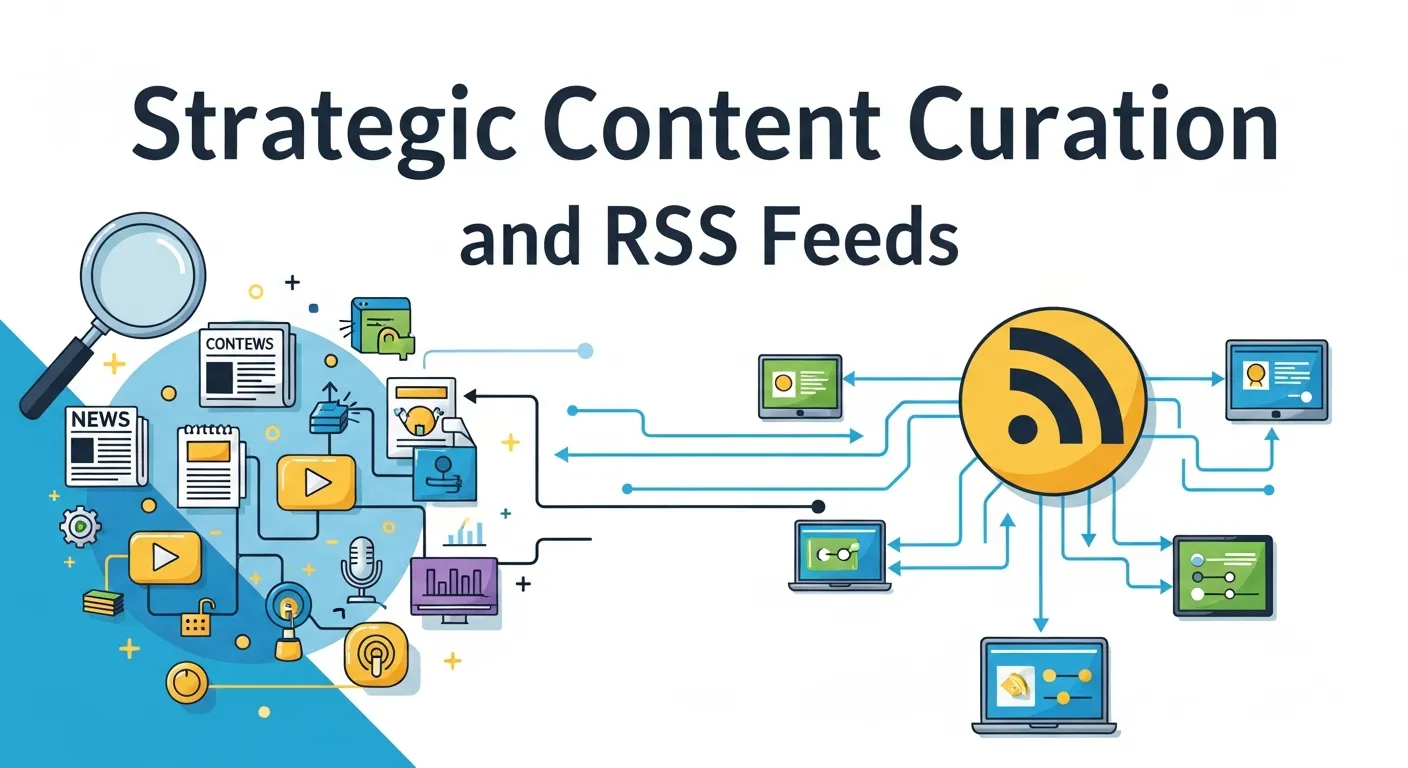
Automatic blogging with WordPress often starts with curation. By sourcing news from industry leaders, you position your site as a hub of information. This is a form of inbound marketing that builds brand authority.
Best Practices for Curation:
- Niche Selection: Before you start, you must understand what is a niche and how to choose a profitable blog topic. A narrow focus (like Luxury Brand Marketing or Dental SEO) performs better than a general news site.
-
Attribution: Always provide credit. This is vital for ethical link building and maintaining a positive digital reputation management profile.
-
Value Addition: Don’t just repost. Use automation to add a custom intro or a “Takeaway” section to every curated piece.
SEO and Performance: Beyond the Text
Automation can inadvertently slow down your site or hurt your rankings if not managed. To succeed, you must focus on how to optimize blog posts and maintain technical health.
1. Improving Page Speed
A common pitfall of automated sites is “bloat.” Learn how to improve blogs page speed by using lightweight themes and caching plugins. According to Google Developers, site speed is a critical ranking factor for mobile search.
2. Answer Engine Optimization (AEO)
With the rise of AI search, your content should be structured to answer specific questions. This is known as Answer Engine Optimization. Use schema markup to help search engines parse your automated content easily.
3. Video and YouTube SEO
Don’t limit yourself to text. Automatic blogging with WordPress can include fetching videos from your YouTube channel. Implementing YouTube SEO and Video SEO tactics ensures your multimedia content reaches the right audience.
Building Brand Authority Through Automation
Many fear that automation dilutes a brand. However, automated branding can actually strengthen your identity if you have a clear brand strategy framework.
- Brand Voice: Ensure your automated tools are programmed with your specific brand voice strategy.
- Consistency: Use building brand consistency as your guiding principle. Whether a post is written by a human or a machine, the formatting, tone, and quality must remain uniform.
- Trust: In an era of “fake news,” brand safety in digital marketing is paramount. Set filters in your automation tools to avoid controversial or low-quality sources.
Marketing Your Automated Blog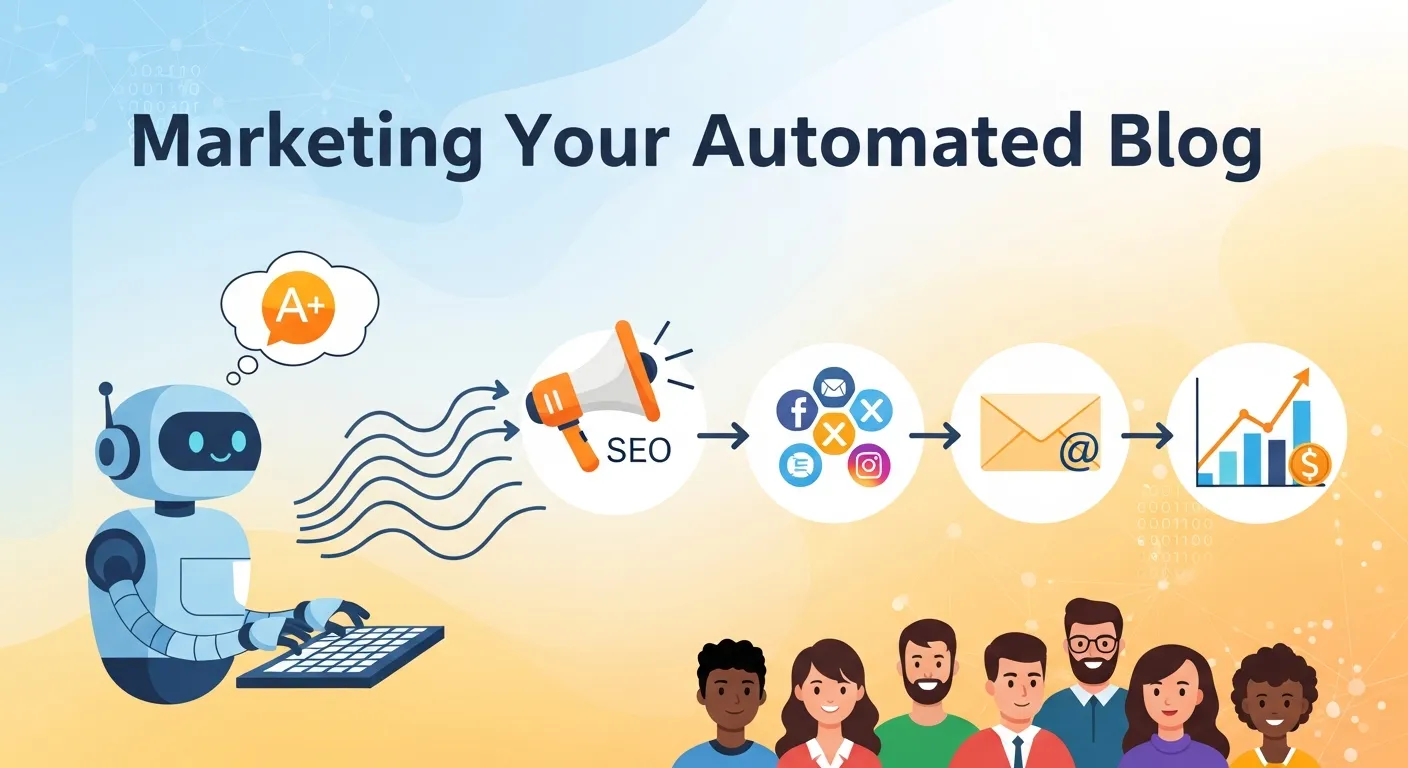
Publishing is only half the battle. You need to know how to promote blog content to see a return on investment.
Outbound vs. Inbound Marketing
-
Outbound Marketing: Use outbound email marketing to notify subscribers of new, curated roundups.
-
Inbound Marketing: Focus on local SEO services and guest posting services to drive organic traffic to your automated hub.
Viral and Trend Marketing
To truly scale, tap into the psychology of trend marketing. Use tools that monitor business trends and real-time trend marketing to automatically trigger posts when a specific keyword starts trending on social media. This is the heart of a viral content marketing strategy.
Monetization: How to Invest Blogging Income
Once your automatic blogging with WordPress setup starts generating traffic, it’s time to monetize.
- Affiliate Marketing: Automate the insertion of affiliate links for Amazon SEO optimization.
- Sponsorships: Use your high-traffic automated site to offer influencer marketing services or media buying services.
- Digital Products: Drive traffic to a webinar sales funnel or offer irresistible webinar offers.
By treating your blog as a business, you can transition from simple content creation to a full passive income model.
Navigating Risks: The “Anti-Spam” Strategy
While automatic blogging with WordPress offers unparalleled speed, it comes with unique risks. Search engines are increasingly sophisticated at identifying “thin” or “low-value” automation. To protect your investment, you must implement a robust risk-management framework.
Common Pitfalls and Their Solutions
- Duplicate Content Penalties: Blindly scraping RSS feeds can lead to “search engine oblivion.”
- Solution: Use AI writing tools for bloggers to rewrite curated snippets and add original commentary. Ensure every post has at least 30% unique insights.
- Technical Bloat: Excessive automation plugins can degrade your blogs page speed.
- Solution: Use “All-in-One” automation suites or headless WordPress configurations to keep the frontend lightning-fast.
- Brand Misalignment: AI may occasionally generate content that contradicts your brand voice strategy.
- Solution: Set up a “Human-in-the-Loop” (HITL) workflow where a human editor approves automated drafts before they go live.
Advanced Monetization: Turning Traffic into Revenue
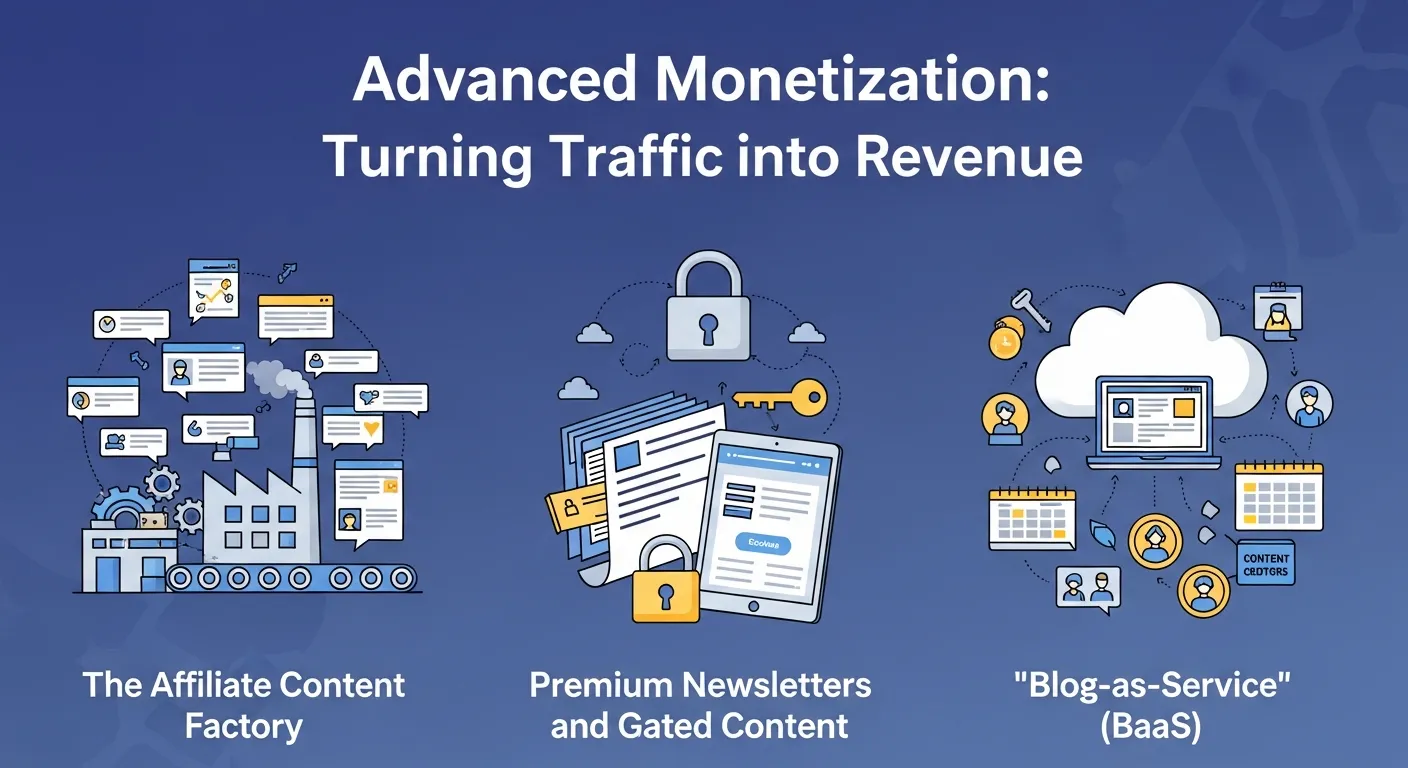
The ultimate goal of automatic blogging with WordPress is often to create a self-sustaining income stream. In 2026, the most successful bloggers move beyond simple display ads.
1. The Affiliate Content Factory
Automate the creation of “Best X for Y” listicles. By integrating with the Amazon SEO ecosystem or Rakuten Advertising, your blog can automatically pull the latest product specs and insert your affiliate links. This creates a high-converting passive income through blogging model.
2. Premium Newsletters and Gated Content
Use your automated blog as a “lead magnet.”
- Workflow: Your blog automatically curates the top 5 industry news stories daily.
- Conversion: It then prompts users to sign up for a premium newsletter (powered by Beehiiv or ConvertKit) for deeper analysis.
3. “Blog-as-a-Service” (BaaS)
If you master how to choose a profitable blog niche, you can replicate your automated setup for clients. Offering white label SEO and automated content management to local businesses (e.g., Local SEO services for dentists or lawyers) is a high-margin business model.
Future Opportunities: The 2026–2027 Roadmap
The horizon for automatic blogging with WordPress is shifting toward hyper-personalization and multimodal content.
1. Autonomous Content Agents
We are moving from “plugins” to “agents.” In 2027, your WordPress site will likely feature an autonomous AI agent that doesn’t just post content but actively researches predictive trend marketing data and decides what to write based on real-time competitor brand analysis.
2. Multimodal Automation (Video & Voice)
Automation is no longer restricted to text. Future smart blogging strategies will include:
- Automatic Video Generation: Turning your blog posts into short-form videos for TikTok or YouTube via Video SEO tools.
- Voice Search Optimization: AI will automatically reformat your content for Answer Engine Optimization (AEO), ensuring your blog is the top result for Siri and Alexa queries.
3. Hyper-Personalized User Journeys
Using customer journey mapping data, your WordPress site will dynamically change its homepage content for every visitor. A first-time visitor might see a “Brand Awareness” post, while a returning user sees a high-conversion brand positioning piece tailored to their specific interests.
Conclusion:
Automatic blogging with WordPress is a sophisticated balance of technology and strategy. When you combine AI writing tools with a solid brand positioning strategy, you create a platform that grows even while you sleep. Focus on quality, stay updated on SEO trends, and use automation to enhance—not replace—your unique creative vision.
FAQs
1. Is automatic blogging with WordPress bad for SEO?
Not if done correctly. Search engines value high-quality, relevant content. If you use automation to curate valuable news or assist in writing well-researched pieces, it can actually improve your SEO by increasing your posting frequency and keyword coverage. Avoid “spammy” tactics like keyword stuffing.
2. What are the best AI writing tools for bloggers today?
Popular options include Jasper, Copy.ai, and specialized WordPress plugins like AI Engine. These tools help with everything from generating headlines to full-scale creative content services.
3. How do I maintain brand voice with automated content?
You can maintain your brand voice strategy by setting strict “style guidelines” within your AI tools. Many modern LLMs allow you to upload samples of your writing to mimic your specific brand personality.
4. Can I use automatic blogging for a local business?
Yes! Local SEO services often use automation to pull in local news, weather updates, or community events, which helps the business stay relevant in local search results.
5. What is the difference between curation and plagiarism?
Curation involves selecting, organizing, and adding value to existing content while providing clear attribution. Plagiarism is taking credit for someone else’s work. Always link back to the original source to maintain brand resilience strategies.
6. How many posts should I automate per day?
There is no magic number, but quality over quantity is key. For most niches, 1–3 high-quality automated or semi-automated posts per day is sufficient to build brand awareness without overwhelming your audience.
7. Does Google penalize AI-generated content?
Google’s guidelines state that they reward high-quality content, regardless of how it is produced. However, using AI to manipulate search rankings (spam) is against their policies. Focus on user intent and Answer Engine Optimization.
8. How can I protect my site from tech glitches in automation?
Regularly perform a SEO audit guide check and use reputation management tools to monitor your site. Ensure your plugins are updated and you have a reliable domain & hosting service.
9. What is “Evergreen” content in automation?
Evergreen content is information that remains relevant over time. Using plugins like “Revive Old Posts” to automatically resharing this content is a core smart blogging strategy to maintain traffic.
10. Can I automate social media sharing?
Absolutely. Tools like Jetpack, Buffer, and Hootsuite can be integrated into your automatic blogging with WordPress workflow to share your posts across platforms like LinkedIn, Twitter, and Facebook the moment they go live.