Mastering YouTube SEO to Grow Your Channel

Mastering YouTube SEO is the single most effective way to grow your YouTube channel organically. By optimizing your video metadata and viewer satisfaction signals, you can dominate search results and recommendations.
In 2026, YouTube SEO has evolved beyond simple keywords to focus on viewer satisfaction and AI-driven relevance. This guide covers technical optimization, advanced keyword research, high-conversion thumbnails, and engagement strategies to help you grow your YouTube channel consistently and sustainably.
Mastering YouTube SEO to Grow Your YouTube Channel
In the hyper-competitive landscape of 2026, simply uploading “great content” is no longer enough. With AI-driven recommendation engines and over 500 hours of video uploaded every minute, you need a precise YouTube SEO strategy to ensure your voice is heard. If you want to grow your YouTube channel, you must treat the platform as both a social network and a sophisticated search engine.
The 2026 Shift: From Keywords to Viewer Satisfaction
While traditional YouTube SEO focused heavily on metadata, the 2026 algorithm prioritizes “Viewer Satisfaction” signals. This means that while keywords get you into the search results, your performance—measured by Watch Time, Audience Retention, and Session Time—is what keeps you there.
To grow your YouTube channel, you must optimize for:
- Average View Duration (AVD): The length of time a viewer stays on your video.
- Click-Through Rate (CTR): How many people click your video after seeing the thumbnail.
- Engagement Velocity: How quickly your video gains likes and comments in the first 48 hours.
Advanced Keyword Research for Growth

Keyword research remains the foundation of YouTube SEO. To grow your YouTube channel, you need to find “low-competition, high-intent” phrases.
- YouTube Autocomplete: Use the search bar to find long-tail keywords that real users are typing in right now.
- AI-Powered Tools: Utilize platforms like vidIQ and TubeBuddy to analyze keyword difficulty and search volume.
- Competitor Analysis: Look at the “Top Popular Videos” in your niche to identify trending topics.
Metadata Optimization: The “Index Card” for AI
Think of your metadata as the index card that YouTube’s AI reads to categorize your video. To maximize your YouTube SEO, follow these best practices:
| Feature | Best Practice |
| Video Title | Place the primary keyword at the beginning; keep it under 60 characters. |
| Description | Include the focus keyword in the first two sentences; add 3-5 hashtags. |
| Chapters | Use timestamps to improve user experience and show up in Google “Key Moments.” |
| Tags | Use 10-15 tags, starting with your exact primary keyword. |
Visual SEO: Thumbnails and CTR
Your thumbnail is your “storefront.” Even with perfect YouTube SEO, a boring thumbnail will prevent you from being able to grow your YouTube channel. Use high-contrast colors, expressive faces, and bold text overlays to stand out in the feed.
Encouraging Engagement Signals
YouTube views engagement as “social proof.” To boost your rankings:
- Pin a Question: Ask a specific question in the comments to spark a discussion.
- Call to Action (CTA): Tell your viewers exactly what to do (e.g., “Subscribe for more YouTube SEO tips”).
- Community Posts: Use the Community Tab to keep your audience engaged between uploads.
The Intersection of SEO and Brand Strategy

Growing a channel isn’t just about technical tweaks; it’s about building a Brand Personality In Marketing. Successful creators use a clear Brand Positioning Strategy to differentiate themselves. By maintaining Building Brand Consistency across your thumbnails and tone of voice, you increase your Brand Awareness and encourage viewers to return, which significantly boosts your long-term YouTube SEO results.
Leveraging AI Writing Tools for Bloggers
Many creators now use Ai Writing Tools for Bloggers to repurpose their video scripts into SEO-optimized blog posts. This creates a “flywheel effect” where your website traffic feeds your YouTube views and vice-versa. When you optimize blog posts with embedded videos, you improve your blog’s dwell time and your video’s external traffic.
Multi-Format Synergy: Bridging Shorts and Long-Form
In 2026, the most successful creators don’t choose between formats; they use them as a unified ecosystem. YouTube Shorts serve as the “discovery engine,” while long-form content acts as the “relationship builder.”
- The Bridge Strategy: Use the “Related Video” link feature in Shorts to drive traffic to a deep-dive long-form video. This improves your channel’s Total Session Time, a massive YouTube SEO ranking factor.
- Vertical SEO: Optimize Shorts titles for search intent rather than just “hype.” In 2026, Shorts appear prominently in Google mobile search, meaning “How-to” Shorts can drive evergreen traffic.
- Content Repurposing: Use AI tools to identify high-retention “micro-moments” in your long-form videos and automatically format them into Shorts to reach a wider audience.
Global Reach through AI Auto-Dubbing

One of the biggest breakthroughs to Grow Your YouTube Channel in 2026 is the sitewide rollout of AI-powered Auto-Dubbing. YouTube now supports expressive speech in 27+ languages, allowing your content to resonate in markets you couldn’t reach before.
- Multilingual SEO: When your video is dubbed, your YouTube SEO metadata (titles and descriptions) should also be localized. This allows you to rank in non-English search results, potentially tripling your view potential.
- Cultural Adaptation: Use Brand Adaptation Strategies to ensure your content feels “local.” Even if the voice is AI-generated, adjusting your visuals or references for a global audience builds deeper Brand Perception In Marketing.
The Rise of “Intent-Based” Video Search
As Answer Engine Optimization (AEO) becomes standard, YouTube’s search algorithm has moved toward understanding “User Intent” over “Keyword Matching.”
- Solving Problems: The algorithm now prioritizes videos that provide immediate answers. To dominate this, structure your videos to answer a specific question within the first 30 seconds.
- Semantic Clusters: Don’t just target one keyword. Build “Topic Clusters” (e.g., a series on “Sustainable Gardening”). This signals to YouTube that you are a Niche Authority, making you the “recommended” choice for that entire subject.
Building Community through “Participation Monetization”
In 2026, monetization has shifted from passive ad views to active community participation. To Grow Your YouTube Channel, you must turn viewers into “active participants.”
- Shoppable Content: Use integrated e-commerce features to tag products directly in your videos. This shortens the Customer Journey Mapping and increases revenue without relying solely on AdSense.
- Interactive Features: Leverage YouTube’s newer interactive polls, Q&A stickers, and “Live Shopping” events. These features create Brand Resilience Strategies by diversifying your income through direct-to-fan sales.
Trust and Authenticity: The “Human Signal”
With the influx of “AI slop” or mass-produced generic content, YouTube has placed a premium on Digital Reputation Management. The algorithm now looks for signals of a “Real Creator.”
- Show Your Face and Voice: Even with AI assistance, maintaining a consistent Brand Voice and appearing on camera (or using a distinct, human-like narration) is vital.
- Transparency Disclosures: Always disclose AI-generated visuals or deepfakes. Transparency is now a ranking signal; honesty builds Brand Equity In Marketing and prevents your channel from being flagged by “Trust & Safety” filters.
Future Opportunities: YouTube as the “New Television”

The biggest opportunity for creators in late 2026 and beyond is the “Living Room Shift.” More people now watch YouTube on Connected TV (CTV) than on mobile devices.
- Cinematic Production Values: To thrive on the big screen, prioritize 4K resolution and high-fidelity audio. This caters to the Luxury Brand Marketing segment of viewers who expect a “Netflix-like” experience.
- Interactive TV Formats: Future updates include “multiview” and interactive overlays for TV apps. Creators who design their content to be interactive via a TV remote will lead the next wave of Digital Marketing Success Stories.
Comparison of 2024 vs. 2026 YouTube SEO Trends
| Feature | 2024 Focus | 2026 Focus (Future Opportunity) |
| Search Engine | Keyword Matching | User Intent & Problem Solving |
| Monetization | Ad Revenue | Shoppable Content & Direct Sales |
| Audience | Local/English | Global (via Expressive AI Dubbing) |
| Primary Screen | Mobile / Desktop | Connected TV (Living Room) |
| Content Type | Viral Trends | Niche Authority & Trust |
Conclusion
Mastering YouTube SEO is an ongoing journey of testing, analyzing, and adapting. By focusing on both technical metadata and high-value viewer engagement, you create a powerful engine to grow your YouTube channel in 2026. Start optimizing today, and let the data guide your creative process to long-term success.
FAQs
1. What is the most important YouTube SEO factor in 2026?
The most critical factor is Viewer Satisfaction, specifically Watch Time and Audience Retention. While keywords help with discovery, these metrics determine if the algorithm continues to recommend your content.
2. How do I find keywords to grow my YouTube channel?
Use tools like vidIQ, Ahrefs, or YouTube’s own search suggestions. Focus on long-tail keywords (4+ words) that have high search volume but lower competition.
3. Does the video description really matter for SEO?
Yes. The first 200 characters of your description are crucial for search ranking. It helps the algorithm understand the context of your video and provides a “snippet” for users in search results.
4.How long should my YouTube videos be for best SEO?
There is no “perfect” length, but longer videos (10+ minutes) often perform better for YouTube SEO because they have a higher potential for Total Watch Time, provided the content is engaging.
5.Should I use tags in 2026?
Tags are less important than they once were, but they still help the algorithm understand your niche and catch common misspellings of your keywords.
6.How can I improve my video’s Click-Through Rate (CTR)?
A/B test your thumbnails and titles. Use bright, high-contrast imagery and ensure your title creates curiosity without being “clickbait.”
7.How does YouTube SEO differ from Google SEO?
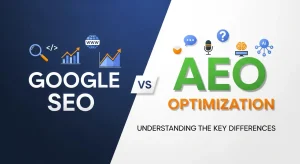
Google SEO relies heavily on backlinks and domain authority, while YouTube SEO focuses on on-platform behavior like retention, engagement, and click-through rates.
8.Can I use AI to help with my YouTube SEO?
Absolutely. Use AI for generating keyword ideas, drafting descriptions, and even analyzing viewer sentiment in your comments.
9.What are “LSI keywords” in the context of YouTube?
LSI (Latent Semantic Indexing) keywords are words related to your main topic. For example, if your keyword is “Baking,” LSI keywords would be “oven,” “flour,” “recipe,” and “kneading.”
10.How often should I upload to grow my YouTube channel?
Consistency is more important than frequency. Whether it’s once a week or once a month, stick to a schedule that allows you to maintain high production quality.