Long-Tail Keywords: Your Secret Weapon for More Traffic
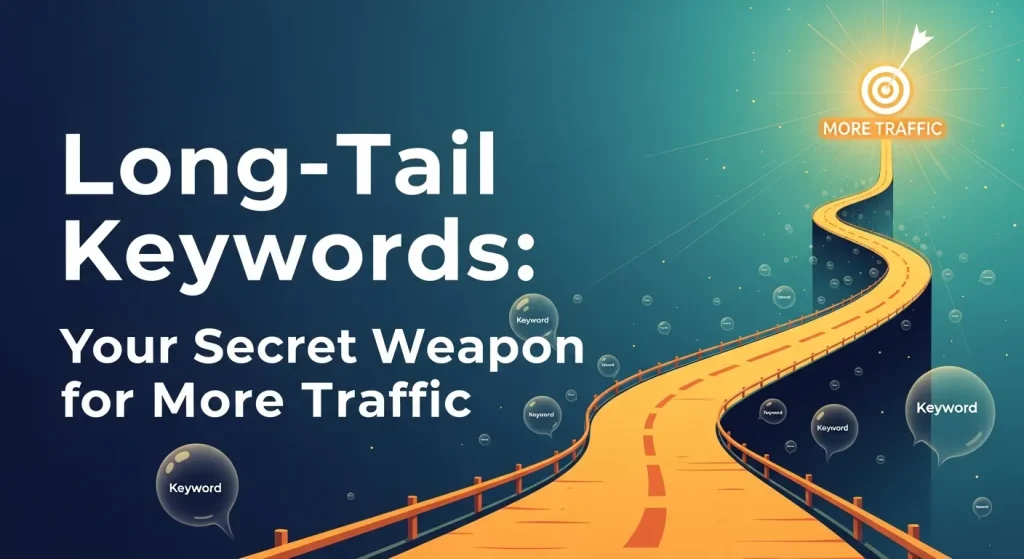
Mastering search engine optimization requires moving beyond high-volume head terms. By leveraging long-tail keywords, businesses can capture highly specific, high-intent traffic that competitors often overlook, ensuring sustainable organic growth.
This guide explores the strategic power of long-tail keywords for more traffic, detailing how to identify niche queries, align content with user intent, and utilize AI tools. You will learn to optimize technically and measure success to outperform larger competitors in search rankings.
Long-Tail Keywords: Your Secret Weapon for More Traffic
The digital landscape is a battlefield where most businesses fight for the same handful of high-volume keywords. While “shoes” or “marketing” might see millions of searches, the competition is fierce and the intent is vague. The real goldmine lies in the “long tail”—the specific, three-to-five-word phrases that searchers use when they are ready to take action. Utilizing long-tail keywords for more traffic is not just an SEO tactic; it is a fundamental shift toward a more profitable, user-centric digital strategy.
Understanding the Power of the Long Tail
Long-tail keywords are highly specific search queries that typically have lower individual search volumes but higher conversion rates. According to Backlinko, long-tail keywords make up the vast majority of all searches on Google.
Why do they work? Because they represent a specific stage in the customer journey mapping process. A user searching for “laptop” is in the awareness stage. A user searching for “best lightweight 14-inch laptop for graphic design under $1000” is in the decision stage. By targeting the latter, you are speaking directly to a motivated buyer.
The Strategic Benefits of Long-Tail Targeting
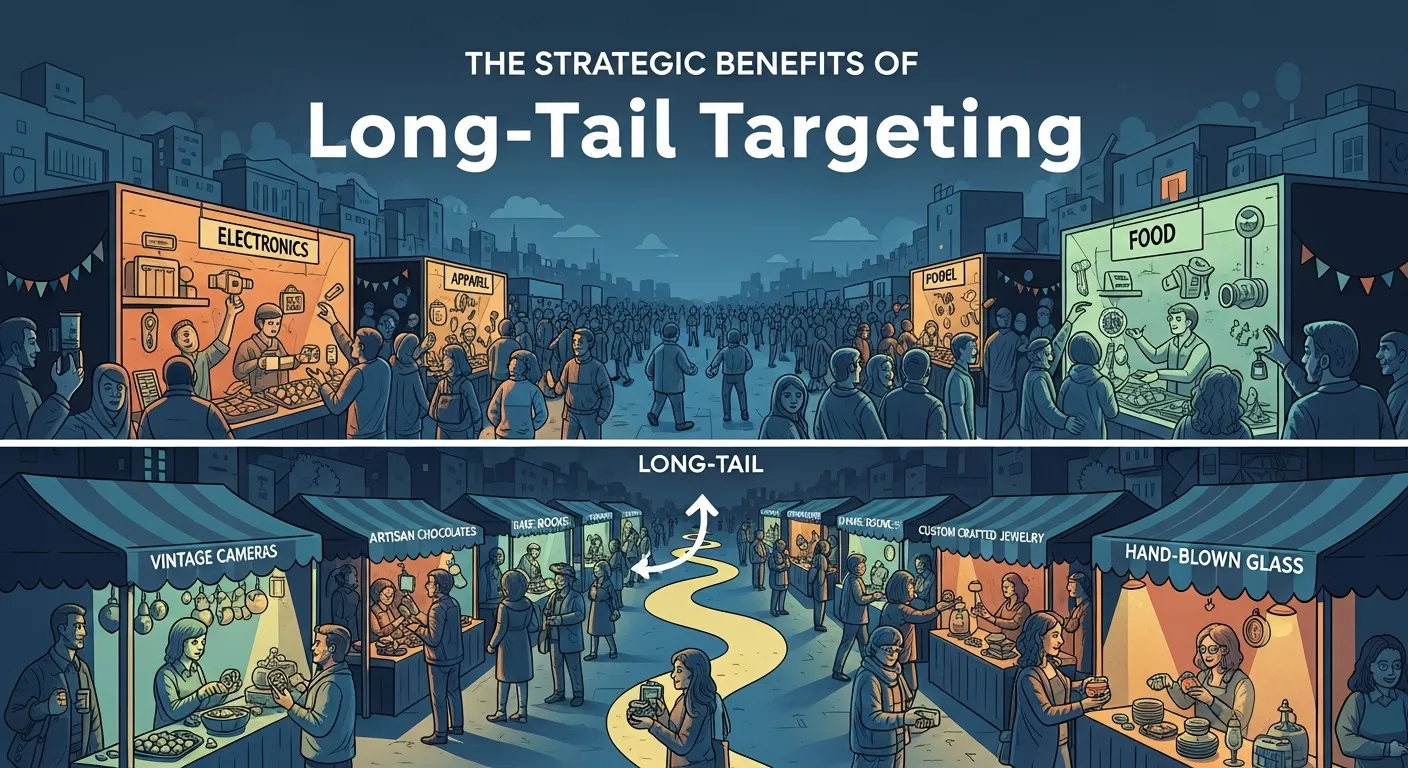
| Feature | Short-Tail Keywords | Long-Tail Keywords |
| Search Volume | High | Low to Moderate |
| Competition | Extremely High | Low to Moderate |
| Conversion Rate | Low | High |
| User Intent | Ambiguous | Specific/Navigational |
| Cost (PPC) | Expensive | Affordable |
1. Lower Competition, Easier Rankings
Smaller websites often struggle against giants in a competitive brand analysis. However, by focusing on long-tail keywords, you can bypass the giants. It is much easier to rank #1 for “organic vegan dog treats for senior labs” than for “dog treats.”
2. Better Alignment with Voice Search and AEO
With the rise of smart speakers, Answer Engine Optimization (AEO) is becoming critical. People don’t bark “weather” at their phones; they ask, “What is the weather forecast for London this weekend?” Long-tail phrases naturally mirror these conversational queries.
3. Higher Conversion Rates
When you provide a specific answer to a specific question, you build brand authority. Visitors arriving via long-tail queries find exactly what they need, reducing bounce rates and increasing the likelihood of a sale or lead.
How to Find High-Intent Long-Tail Keywords
To effectively use long-tail keywords for more traffic, you need a robust research process.
- Google “People Also Ask” (PAA): These are literal long-tail questions users are asking. Addressing these can help you land a “Featured Snippet.”
- AI Writing Tools for Bloggers: Modern tools like Gemini and ChatGPT can help brainstorm semantic branding variations and niche questions your audience might have.
- Search Console Insights: Look at your Google Search Console to find “hidden” terms you are already ranking for on page two or three. These are prime candidates for a dedicated SEO audit guide and content refresh.
- Competitor Analysis: Use Ahrefs or SEMrush to see which niche terms your competitors are ignoring.
Integrating Long-Tail Keywords into Your Brand Strategy
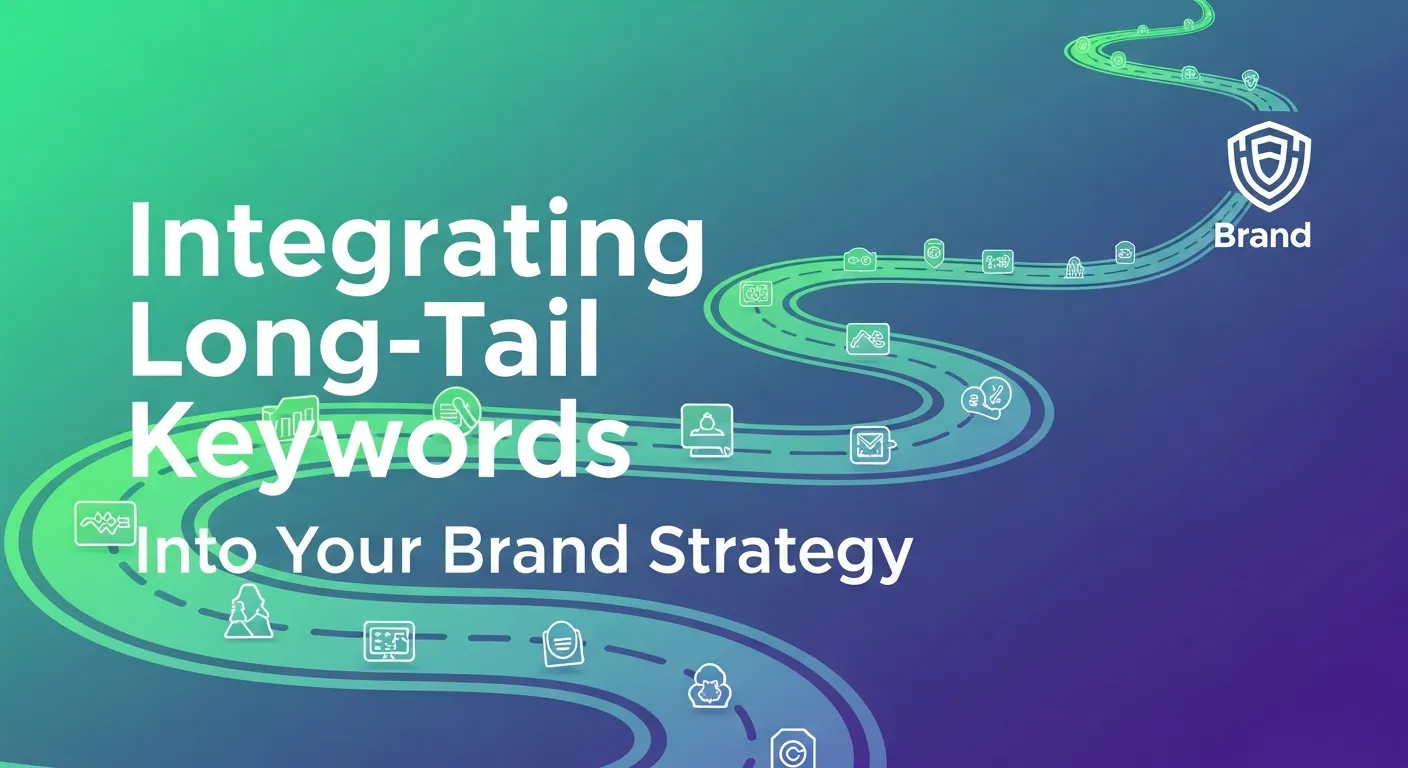
Your keyword strategy shouldn’t exist in a vacuum. It should be part of an integrated marketing approach that builds your brand personality in marketing.
Building Brand Consistency
When you target long-tail terms, ensure your brand voice remains consistent. Whether you are writing a deep-dive “Ultimate Guide to Dental SEO” or a quick tip on “How to Promote Blog” posts on TikTok, the tone should reflect your brand identity.
Content Clusters and Pillar Pages
One of the best smart blogging strategies is to create a “Pillar Page” targeting a broad term, supported by several “Cluster” pages targeting long-tail keywords. For example:
- Pillar: The Ultimate Guide to Brand Marketing.
- Cluster 1: Luxury Brand Marketing strategies for 2026.
- Cluster 2: How to handle brand crisis management on social media.
- Cluster 3: The importance of brand perception in marketing.
Technical Optimization for the Long Tail
Ranking for long-tail keywords requires more than just good writing; you need a solid technical foundation.
- How to Improve Blogs Page Speed: Users searching for specific answers are often impatient. Ensure your site loads fast by optimizing images and using a CDN.
- Schema Markup: Use “FAQ Schema” to help search engines understand the specific questions your content answers.
- Guide to Mastering WordPress: If you use WP, ensure your permalinks are descriptive. Instead of
/post123, use/how-to-use-long-tail-keywords-for-more-traffic. - Local SEO Services: For local businesses, the long tail often includes geography. Instead of “Lawyer,” target “Personal injury lawyer for motorcycle accidents in Miami.”
Advanced Tactics: From Viral Content to Passive Income
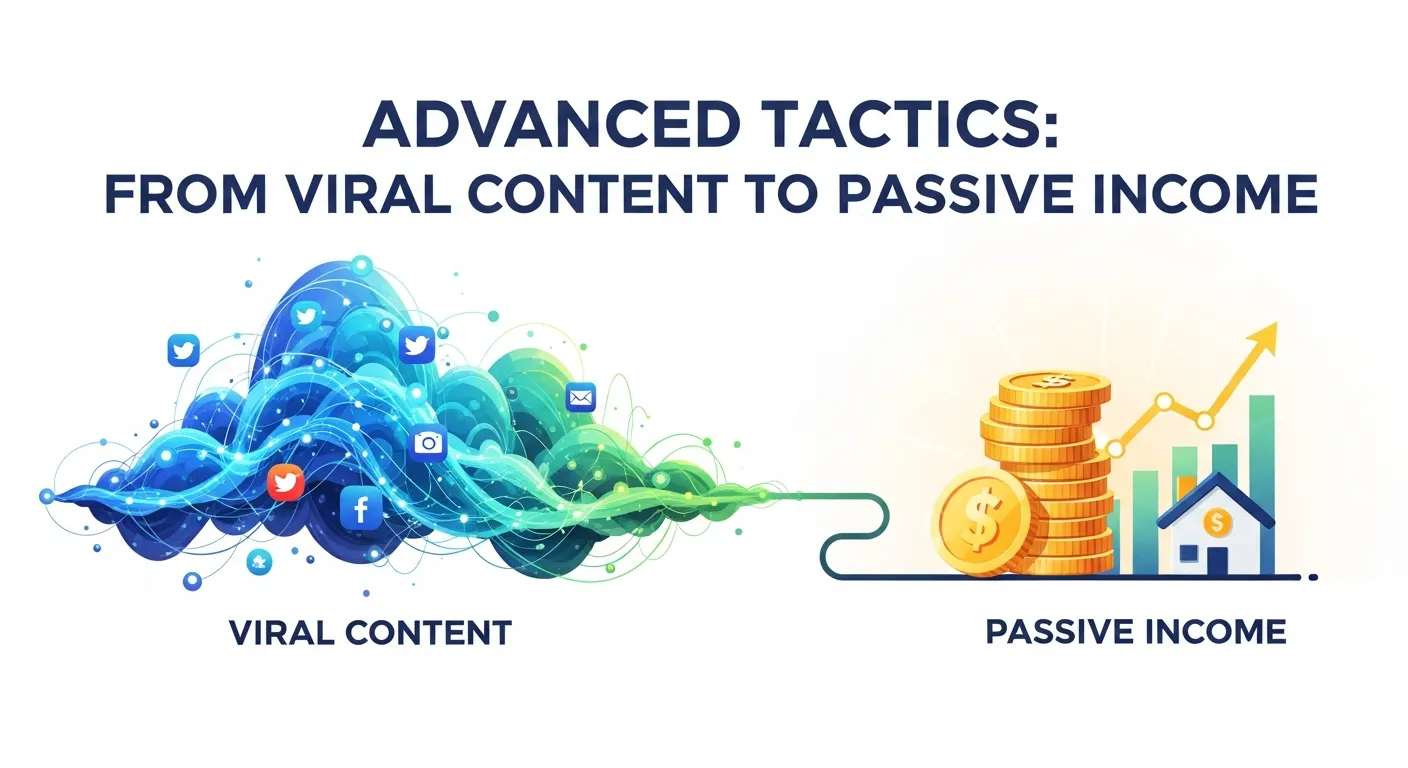
Many dream of passive income through blogging, but this only happens when you have a steady stream of “evergreen” traffic. Long-tail keywords are the engine of evergreen traffic.
The Role of AI and Future Trends
How AI transforms SEO is a hot topic. AI now allows for predictive trend marketing, helping you identify micro trend marketing opportunities before they go mainstream. Use these insights to create viral content marketing strategy pieces that target emerging long-tail queries.
Beyond Search: YouTube and Amazon SEO
Don’t forget that the long tail applies to other platforms.
- YouTube SEO: Target “How to fix a leaky faucet in a vintage kitchen” rather than just “plumbing.”
- Amazon SEO: Use long-tail descriptions to help your products stand out in a crowded marketplace.
Creating Content That Converts
When writing for long-tail keywords for more traffic, focus on the user’s “Search Intent.”
- Informational: Use “How-to” guides and webinar guide content.
- Commercial Investigation: Use “Best of” lists and competitive brand analysis.
- Transactional: Use “Discount,” “Price,” or “Service” keywords paired with your location or niche, such as local SEO services.
Measuring Success: KPIs for the Long Tail
Tracking long-tail keywords is different from tracking head terms. Look for:
- Brand Awareness: Is your name appearing in more specific searches?
- Brand Equity KPIs: Are people searching for your brand name alongside specific solutions?
- Conversion Rate by Keyword: Do your long-tail pages have a higher ROI than your generic landing pages?
The Psychology of the Long Tail: Mapping the Buyer Journey
Understanding the customer journey mapping behind a search query is the difference between a bounce and a conversion. Long-tail keywords aren’t just longer; they are windows into the user’s subconscious.
- Awareness Stage: A user might search for “what is a niche?“
- Consideration Stage: They shift to “how to choose a profitable blog.“
- Decision Stage: They search for a “brand strategy framework for food bloggers.“
By creating content for each stage, you build brand awareness and trust. This ensures that by the time the user is ready to buy, your brand voice is the one they already trust.
Strategic “Alphabet Soup” and Community Discovery
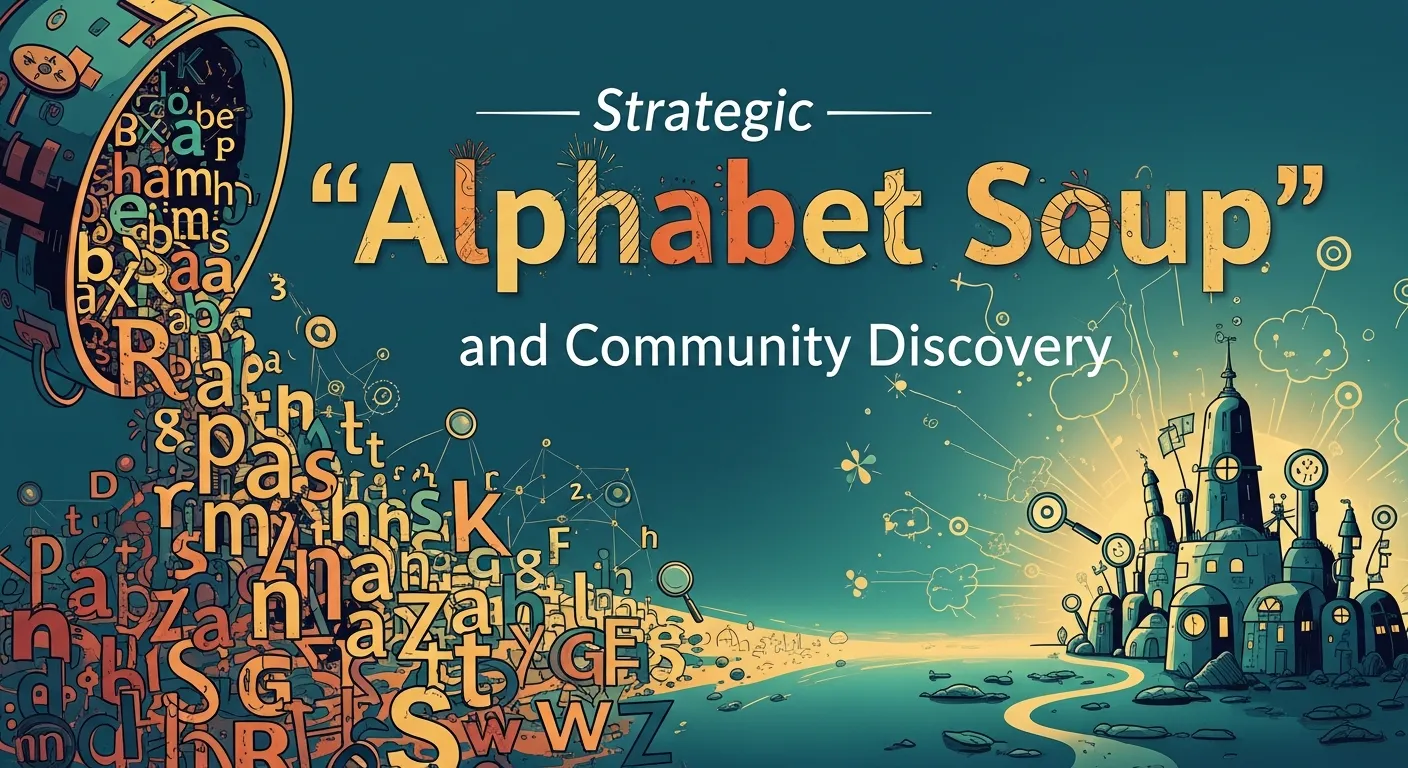
To find long-tail keywords for more traffic, you must go where your audience speaks unfiltered.
- The Alphabet Soup Technique: Type your seed keyword into Google followed by “a,” then “b,” etc. This reveals real-time queries like “how to optimize blog posts for mobile” or “how to optimize blog posts for SEO 2026.“
- Mining “Digital Watering Holes”: Platforms like Reddit and Quora are goldmines for personal reputation management and niche queries. If people are asking, “How do I deal with a brand crisis management situation on X?” that is a high-intent long-tail keyword waiting for your expertise.
Scaling with Programmatic SEO and Topic Clusters
If you want to dominate a niche, you can’t just write one post. You need a brand strategy road map that utilizes “Clusters.“
- Pillar Pages: Create one massive guide, such as the “Ultimate Guide to Dental SEO.“
- Cluster Content: Surround it with long-tail articles like “SEO for pediatric dentists in Chicago” or “how to improve dental clinic brand perception in marketing.“
- Internal Linking: This signals topical authority to search engines, making it easier for your long-tail pages to rank and pass “link juice” back to your main brand marketing pages.
Technical Edge: Speed, Schema, and AEO
In 2026, Answer Engine Optimization (AEO) is as important as SEO. AI engines like Gemini and Perplexity “scan” for specific structures.
- How to Improve Blogs Page Speed: A slow site kills long-tail conversions. Use a SaaS development services mindset—optimize your backend to ensure instant loading.
- Schema for Specificity: Use FAQ and “How-To” schema. This helps you win the “Zero-Click” race, where your brand is cited in an AI Overview even if the user doesn’t click.
- Mobile-First Design: With most long-tail searches happening on the go, a web design & development strategy that prioritizes mobile UX is non-negotiable.
Future Opportunities: The Shift to “Generative Search”
As we look toward 2027, the landscape of long-tail keywords for more traffic is evolving into Generative Engine Optimization (GEO).
- Conversational Queries: Expect more queries like, “Give me a brand strategy guide for a sustainable fashion startup that uses ethical branding.“
- Visual and Video Long-Tails: Video SEO is exploding. People are using the “Search Inside Video” feature to find specific moments. Optimization will shift to transcribing and tagging “micro-moments” within your creative webinar ideas or tutorials.
- AI-Driven Trend Forecasting: Use trend marketing AI data strategy to predict long-tail queries before they peak. This “first-mover advantage” can lead to massive viral content marketing success.
Monetizing the Tail: Beyond Ad Sense
Once you have the traffic, you need to know how to invest blogging income.
- Affiliate Long-Tails: Target “best payment gateway solutions for small businesses” to capture high-commission leads.
- Service-Based Conversion: Use long-tail traffic to sell local SEO services or brand strategy consulting.
- Co-Branding Partnerships: Use your niche authority to attract co-branding in marketing opportunities, expanding your reach without increasing your ad spend.
Comparison: Traditional vs. AI-Era Long-Tail Strategy
| Strategy Element | Traditional SEO (2020-2024) | Generative SEO (2026+) |
| Primary Goal | Ranking #1 in Blue Links | Being the “Cited Source” in AI |
| Keyword Focus | Exact Match Phrases | Semantic Meaning & Intent |
| Content Type | Keyword-Optimized Blogs | High-EEAT Expert Insights |
| User Interaction | Single Search -> Click | Conversational Follow-ups |
| Success Metric | Click-Through Rate (CTR) | Brand Citations & Authority |
The era of chasing high-volume, low-intent keywords is fading. By prioritizing long-tail keywords and long-tail keywords for more traffic, you align your business with the way modern consumers actually search. Focus on providing specific, high-value answers, and you will build a resilient brand marketing engine that drives sustainable growth for years to come.
FAQs
1. What exactly are long-tail keywords?
Long-tail keywords are specific, multi-word search phrases. They typically have lower search volume but much higher conversion intent than broad “head” terms.
2. Why are long-tail keywords for more traffic better than short-tail ones?
While they get fewer searches, they face less competition, making it easier to rank. Furthermore, the traffic they bring is “warmer”—the users know what they want and are closer to purchasing.
3. How many words should a long-tail keyword be?
Generally, they are three or more words. However, the definition is based more on the specificity of the query than the literal word count.
4. Can I use AI writing tools for bloggers to find these keywords?
Yes. AI tools are excellent at identifying related questions, LSI terms, and niche topics that traditional keyword tools might miss.
5. How does voice search impact long-tail SEO?
Voice searches are naturally longer and more conversational. Optimizing for long-tail phrases prepares your site for Answer Engine Optimization (AEO) and voice assistants.
6. Do long-tail keywords help with Brand Authority?
Absolutely. When you consistently answer specific, complex questions in your niche, you establish yourself as an expert, improving brand perception in marketing.
7. How do I avoid keyword stuffing with long-tail phrases?
Focus on the user experience. Use the phrases naturally in headings and throughout the text where they make sense. Building brand consistency means writing for humans first.
8. Are long-tail keywords relevant for Local SEO Services?
They are vital. Most local searches are long-tail (e.g., “emergency plumber in North London”). Combining service keywords with locations is a classic long-tail strategy.
9. How do I track the performance of these keywords?
Use Google Search Console to monitor clicks and impressions. Also, use Google Analytics to track the conversion rate of specific landing pages designed for these terms.
10. Is “passive income through blogging” possible only with long-tail keywords?
While not the only way, it is the most reliable. Long-tail keywords provide stable, long-term traffic that doesn’t fluctuate as much as trending topics, which is essential for passive revenue.