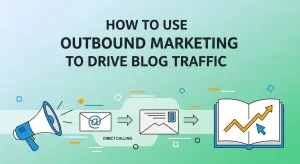
How to Use Outbound Marketing to Drive Blog Traffic
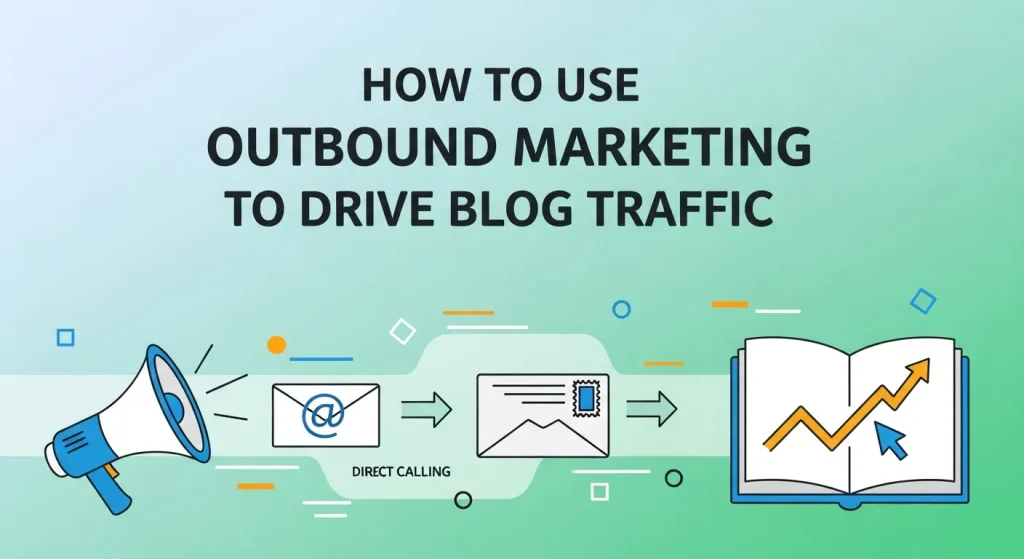
Drive blog traffic and master outbound marketing with this comprehensive 2026 guide. Learn how to reach readers directly, leverage paid ads, and build partnerships to scale your blog’s visibility instantly.
Most digital marketers prioritize inbound strategies like SEO to grow their reach. However, if you want to drive blog traffic, outbound marketing provides a high-speed alternative to reach your audience directly. This guide explores proactive promotion, from AI-driven email outreach to strategic co-branding partnerships.
The Strategic Shift: Why Your Blog Needs Outbound Marketing
In the modern digital landscape, waiting for search engines to index your content can feel like watching paint dry. While inbound marketing is the foundation of long-term authority, outbound marketing acts as the accelerant. By actively pushing your content to a targeted audience, you bypass the “waiting period” of organic growth.
In 2026, the goal isn’t just to get “hits”; it’s about brand positioning and brand awareness. Outbound strategies allow you to define your brand personality in marketing by choosing exactly who sees your message and where they see it. Whether you are running a niche hobby site or a luxury brand marketing campaign, proactive outreach ensures you aren’t left behind by shifting search algorithms.
High-Impact Email Outreach Strategies
Email remains the crown jewel of outbound marketing. However, the “spray and pray” method of the past is dead. To drive blog traffic, outbound marketing via email now requires hyper-personalization and a “value-first” mindset.
Finding Your Niche and Audience
Before you hit send, you must understand what is a niche in the context of your outreach. Are you targeting industry influencers, potential collaborators, or a specific customer segment?
- Identify Targets: Use tools like BuzzSumo or LinkedIn to find people who engage with similar content.
- Segment Your List: Group your contacts by their “problem awareness.” A reader who doesn’t know they have a problem needs different content than one looking for a specific solution.
Crafting the “Un-Ignorable” Email
In 2026, outbound email marketing must feel human. Avoid corporate jargon. Instead, use a brand voice that is relatable and direct.
- The Subject Line: Be specific. Instead of “New post on SEO,” try “A new take on Answer Engine Optimization for [Company Name].”
- The Hook: Reference a specific piece of their work. This proves you aren’t an AI bot mass-mailing a list.
- The Value: Offer an “irresistible offer”—perhaps exclusive data or a summary of your ultimate guide to dental SEO (if applicable to their niche).
Leveraging Paid Advertising for Instant Visibility

Paid media is the fastest way to drive blog traffic. With the rise of AI-driven trend marketing, platforms like Meta and Google now use predictive trend marketing to show your ads to users before they even realize they need your content.
Choosing the Right Platforms
| Platform | Best For | Key Strategy |
| Google Ads | High-intent readers | Target specific keywords like “how to optimize blog posts.” |
| LinkedIn Ads | B2B digital marketing strategies | Target by job title or industry (e.g., “Digital Marketing Expert”). |
| Facebook/Instagram | Visual storytelling & Brand Awareness | Use high-quality creative to build brand perception in marketing. |
| TikTok/YouTube | Viral marketing strategies | Create short, engaging clips that link back to your deep-dive articles. |
The “Zero-Click” Reality
In 2026, many users never leave the search results page due to AI Overviews. To counter this, your ads should focus on building brand equity in marketing. Even if they don’t click immediately, seeing your brand associated with expert content builds brand loyalty and brand resilience.
Guest Posting and Strategic Content Partnerships
Guest posting isn’t just about ethical link building; it’s about “borrowing” an established audience to drive blog traffic.
Finding the Right Partners
Don’t just chase “High DA” (Domain Authority) sites. Look for a niche fit. A guest post on a highly specific blog with 1,000 loyal readers is often more valuable than a post on a generic site with 100,000 visitors who don’t care about your topic.
Co-Branding and Syndication
Co-branding in marketing involves two brands joining forces to create something unique.
- Joint Research: Partner with a software company to write a data-heavy report.
- Content Syndication: Allow larger platforms to republish your work in exchange for a prominent “canonical” link back to your original post.
- Creative Webinar Ideas: Collaborate on a live session. Use a webinar sales funnel to capture emails and redirect attendees to your blog for “further reading.”
Building Brand Authority and Consistency
To make your outbound efforts sustainable, you need a strong brand strategy roadmap. Readers who arrive via an outbound link should immediately recognize your brand voice and brand positioning strategy.
The Role of Brand Personality
Your blog shouldn’t just be a collection of facts. It needs a brand personality. Are you the “disruptive rebel,” the “trusted advisor,” or the “creative visionary”? Using a brand archetypes framework helps ensure that every touchpoint—from a cold email to a LinkedIn ad—feels consistent.
Reputation Management
As you reach out to more people, digital reputation management becomes vital.
- Monitor Mentions: Use brand monitoring services to see what people are saying about your blog.
- Handle Criticism: Have a brand crisis management plan in place for negative comments on paid ads or social shares.
Measuring Outbound Success and ROI
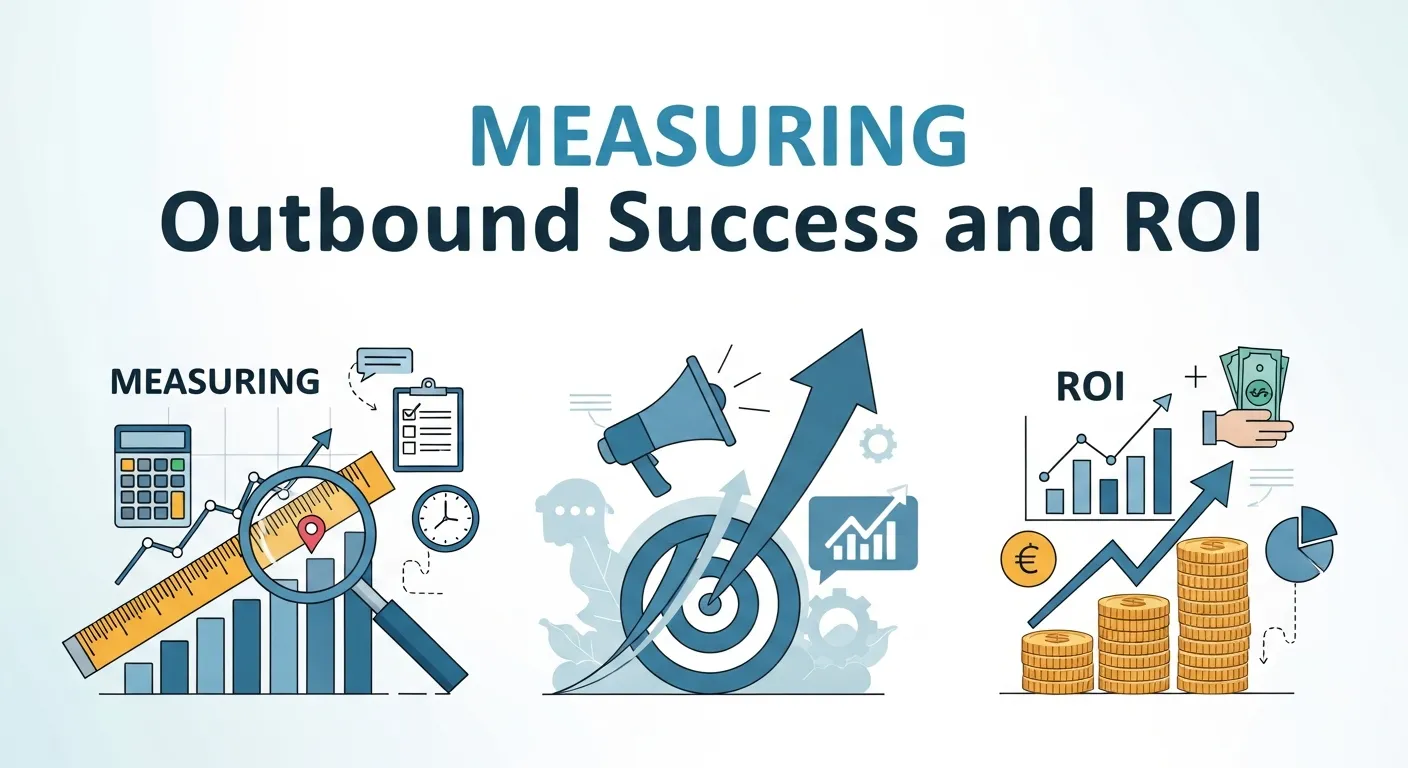
You cannot improve what you do not measure. To truly drive blog traffic, outbound marketing must be data-driven.
Key Metrics to Track
- Click-Through Rate (CTR): Are your headlines and ad creatives compelling?
- Conversion Rate: Are readers signing up for your newsletter or downloading your webinar guide?
- Cost Per Acquisition (CPA): How much does it cost to “buy” a new loyal reader through ads?
- Brand Awareness: Track “branded searches” in Google Search Console to see if more people are searching for your blog by name.
The “Viral” Factor: Combining Outbound with Trend Marketing
Sometimes, you want your content to go beyond steady growth. Viral marketing on TikTok or other platforms often starts with an outbound “push.”
- Marketing FOMO: Create a sense of urgency in your outreach (e.g., “We’re sharing this data with only 10 industry leaders first”).
- The Psychology of Trend Marketing: Align your outbound pitches with real-time trend marketing. If a major news event happens in your niche, be the first to reach out to journalists with a unique angle.
Actionable Checklist: Your Outbound Marketing Roadmap
To successfully drive blog traffic, outbound marketing should follow a structured path:
- Identify your ICP (Ideal Content Prospect): Who is your dream reader?
- Audit your assets: Do you have an “Ultimate Guide” or “Case Study” worth promoting?
- Set up your “Warm-up” system: If doing cold email, ensure your domain is properly “warmed” to avoid spam filters.
- Launch a “Micro-Campaign”: Start with a small $50/day ad spend or 20 personalized emails to test your messaging.
- Analyze and Pivot: If the bounce rate is high, your landing page might not match your outreach promise.
AI-Driven Personalization and Hyper-Targeted Distribution
As we move further into 2026, the “spray and pray” method of outbound marketing has been replaced by hyper-personalization. Using AI writing tools for bloggers, you can now scale direct outreach without losing the human touch.
- Predictive Audience Segmenting: Modern outbound marketing platforms use predictive analytics to identify which potential readers are most likely to engage with your content based on their recent browsing data and “intent signals.”
- Dynamic Content Adaptation: Advanced SaaS development services now allow your landing pages to change in real-time. If a reader clicks an outbound link from a “Digital Marketing” tweet, the blog post can automatically highlight B2B examples; if they come from a “Small Business” email, it shifts to focus on entrepreneurship.
- Generative Engine Optimization (GEO): This is the outbound version of SEO. Instead of waiting to be found, you “feed” your high-quality content into AI discovery engines (like ChatGPT or Perplexity) through online PR services and citations, ensuring your blog is the proactive recommendation when users ask AI for advice.
The Rise of “Search Everywhere” and Omni-Touchpoint Outreach

The traditional journey of a reader finding a blog through a single Google search is fragmenting. To drive blog traffic, outbound marketing must adopt an “omnichannel” approach.
- Social-First Discovery: Platforms like TikTok and LinkedIn are becoming search engines in their own right. Viral marketing on TikTok often starts with an outbound strategy: sending your “hooks” to creators or using media buying services to boost educational clips that lead back to your long-form blog posts.
- Audio and Voice Outreach: With the rise of smart assistants, video SEO and sonic branding are becoming essential. Proactively pitching your blog’s unique data to podcasters or using WhatsApp marketing services to send voice-note summaries can capture an audience that prefers listening over reading.
- Community-Led Growth: Strategic co-branding partnerships in private communities (like Slack groups or Discord servers) allow you to place your content directly into the hands of highly vetted, high-intent audiences.
Future Opportunities: Outbound Marketing in 2027 and Beyond
Looking ahead, the landscape of outbound marketing is shifting toward “Intentional Interaction” and “Agentic Marketing.”
- Marketing to AI Agents: By 2027, many consumers will use “personal AI agents” to filter their content. Your outbound strategy will involve optimizing your metadata and brand authority so that these AI filters “allow” your content through to the human user.
- Experiential and “Offline-to-Online” (O2O): As the digital world becomes saturated with AI content, physical touchpoints are returning. Proactive outreach might include QR-coded print media at niche events or local SEO services that bridge the gap between physical locations and digital blog deep-dives.
- Predictive Trend Marketing: Instead of reacting to trends, bloggers will use predictive modeling to identify “Micro Trends” before they peak. This allows you to launch outbound email marketing campaigns on topics that are about to go viral, positioning you as the definitive source before the market becomes crowded.
Comparison of Current vs. Future Outbound Tactics
| Feature | Traditional Outbound (2020-2024) | Future Outbound (2026-2027+) |
| Primary Goal | Clicks and Traffic Volume | Brand Authority & AI Citations |
| Targeting | Demographic-based | Intent-based (Predictive) |
| Content Format | Static Emails / Banner Ads | Dynamic / Adaptive Multi-media |
| Key Metric | Click-Through Rate (CTR) | Brand Perception & “Zero-Click” Mentions |
| Main Tool | CRM & Email Blasts | AI Agents & Intent Data Platforms |
Conclusion
Mastering how to drive blog traffic through outbound marketing is about moving from a passive observer to an active participant in your industry’s conversation. By blending high-touch email outreach, precision-targeted ads, and strategic co-branding partnerships, you create a resilient traffic engine that doesn’t rely solely on the whims of search engine algorithms. Start today by reaching out to one potential partner or launching one targeted ad campaign to see your visibility soar.
Frequently Asked Questions (FAQs)
1. How does outbound marketing differ from inbound marketing for bloggers?
Inbound marketing (like SEO) focuses on creating content and waiting for users to find it through search or social discovery. Outbound marketing involves “initiating” the contact—actively placing your content in front of readers via cold emails, paid ads, or direct pitches to influencers.
2. Is email outreach still effective to drive blog traffic in 2026?
Yes, but only if it is hyper-personalized. With AI writing tools for bloggers becoming common, “generic” emails are filtered out instantly. Success in 2026 requires deep research, referencing specific work from the recipient, and offering a unique value proposition.
3. Which paid ad platform is best for new blogs?
It depends on your niche. For B2B or professional blogs, LinkedIn Ads are superior due to their targeting. For lifestyle, food, or travel, Instagram and Pinterest provide better visual engagement. For high-intent information, Google Ads targeting long-tail keywords is the most effective.
4. Can outbound marketing help with my blog’s SEO?
Indirectly, yes. Effective outbound outreach often leads to guest posting opportunities and ethical link building, which are core components of domain authority. Additionally, the traffic spikes from outbound campaigns can send positive “user signals” to search engines.
5. How much should I spend on outbound ads for my blog?
Start small. A common “experimental” budget is 20% of your total marketing spend. You can start with as little as $5–$10 a day on Meta or Google to test which headlines and topics resonate most with your target audience before scaling.
6. What is a “niche” and why is it important for outbound marketing?
A niche is a specialized segment of the market. In outbound marketing, being “niche-focused” allows you to personalize your messaging. Instead of being a “marketing blog,” you might be a blog focused on “luxury brand marketing for sustainable fashion,” which makes your outreach far more relevant to potential partners.
7. How do I measure the ROI of my outbound efforts?
Track your metrics using Google Analytics 4. Look at the “Cost Per Click” (CPC) and the “Engagement Rate.” If you are spending $100 to get 500 visitors, and 50 of those visitors sign up for your newsletter, your “Cost Per Lead” is $2. Compare this to the long-term value of a subscriber.
8. What are “Strategic Partnerships” in blogging?
These are long-term relationships where you and another creator (or brand) cross-promote content. This could include co-branding in marketing, where you co-author a study, or a “content syndicate” where a group of bloggers regularly shares each other’s best work.
9. How can AI tools assist in outbound marketing?
AI writing tools for bloggers can help draft personalized outreach templates and analyze data to find the best times to send emails. However, always add a human touch to ensure your brand voice remains authentic and doesn’t sound like a bot.
10. What is “Brand Crisis Management” for a blogger?
When you use outbound tactics (especially ads), you open yourself up to more public scrutiny. Brand crisis management involves having a plan to address negative feedback, factual errors, or controversial comments quickly and professionally to maintain your brand integrity.