How to Create SEO Content That Drives Results

Unlock the secrets to digital growth by learning how to craft SEO content that drives results through strategic planning, audience resonance, and technical excellence.
This guide explores the evolution of search optimization, from foundational keyword research and brand strategy frameworks to modern AI-driven trend marketing. You will discover actionable steps to enhance visibility, build brand authority, and convert organic traffic into loyal customers using an integrated marketing approach.
The Evolution of SEO Content in the Modern Era
The digital landscape has shifted from simple keyword matching to a sophisticated understanding of user intent and brand perception in marketing. To create SEO content that drives results, one must look beyond the search bar and understand the holistic journey of the consumer.
What is SEO Content That Drives Results?
It is content designed with a dual purpose: satisfying the intricate algorithms of search engines while providing immense value to the human reader. It isn’t just about “ranking”; it’s about brand positioning—placing your message exactly where your audience is looking at the moment they need it most.
Why Quality Content is Your Best Outbound Marketing Tool
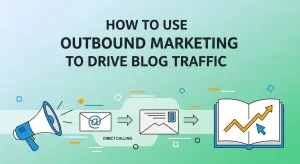
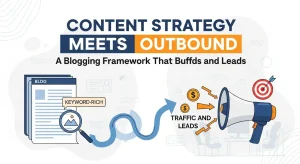
While outbound marketing (like cold emails or TV ads) pushes messages at consumers, high-performing SEO content acts as a magnet. However, when you integrate these, such as using outbound email marketing to promote a high-ranking blog post, you create a powerhouse of integrated marketing that amplifies your reach.
Strategic Foundation: Planning for Success

Before writing a single word, you must establish a brand strategy roadmap. Without a map, your content is just noise.
1. Defining Your Niche and Brand Voice
Understanding what is a niche is the first step for any blogger or business. You cannot be everything to everyone. By focusing on a specific segment, you improve your brand awareness within a community that actually cares about your product.
-
Brand Voice Strategy: Are you the witty peer or the authoritative professor? Your brand voice should be consistent across all platforms to build brand resilience strategies.
-
Brand Archetypes Framework: Use archetypes (like the Hero, the Explorer, or the Sage) to guide your storytelling and ensure brand consistency.
2. The Power of Keyword Research
To create SEO content that drives results, you must use tools like Ahrefs or SEMrush to find what your audience is actually typing.
-
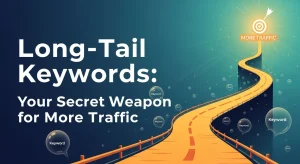
Long-tail Keywords: These are specific phrases that indicate high intent.
-
LSI Keywords: These provide context. For example, if you are writing about “Apple,” LSI keywords like “iPhone,” “orchard,” or “technology” tell Google which “Apple” you mean.
3. Customer Journey Mapping
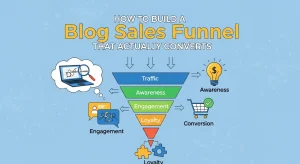
Your content should cater to different stages of the funnel:
-
Awareness: “What is SEO?”
-
Consideration: “Best SEO services for small business.”
-
Decision: “Hire [Your Brand] for local SEO services.”
Content Creation: Crafting for Humans and Bots
High-Quality Writing and AI Integration
In 2026, how AI transforms SEO is a central topic. AI writing tools for bloggers can help with outlines and data analysis, but human touch is required for brand storytelling. Google’s algorithms now prioritize E-E-A-T (Experience, Expertise, Authoritativeness, and Trustworthiness).
Smart Blogging Strategies
-
Answer Engine Optimization (AEO): Structure your content to provide direct answers for voice search and AI overviews.
-
Visual Content: Incorporate video SEO by embedding YouTube videos. According to Wikipedia, multimedia integration significantly reduces bounce rates.
Technical Optimization
Even the best writing fails if the site is broken.
-
How to improve blogs page speed: Compress images and use a CDN.
-
Mobile-Responsiveness: Ensure your web design & development is mobile-first.
-
SEO Audit Guide: Regularly perform a brand audit and technical crawl to find broken links.
Advanced Marketing Tactics

Viral and Trend Marketing
To see exponential growth, you need to understand the psychology of trend marketing.
-
Viral Content Marketing Strategy: Use marketing FOMO (Fear Of Missing Out) and meme marketing to spark engagement.
-
Real-time Trend Marketing: Use AI-driven trend forecasting to jump on topics before they peak.
-
Viral Marketing on TikTok: Short-form video is a gateway to your long-form SEO content.
Building Authority and Trust
Brand equity in marketing is built through high-quality backlinks and ethical practices.
-
Ethical Link Building: Avoid “black hat” tactics. Focus on guest posting services on reputable sites.
-
Digital Reputation Management: Monitor what people say about you. Review management services can help maintain a positive brand perception.
Comparing Content Types for SEO Success
| Content Type | Primary Goal | SEO Benefit |
| Blog Posts | Education/Engagement | High Keyword Ranking |
| Case Studies | Building Trust | Brand Positioning Strategy |
| Infographics | Backlink Acquisition | High Shareability |
| Webinars | Lead Generation | Long-tail Traffic via Webinar Guide |
| Product Pages | Conversion | Amazon SEO & Sales |
Step-by-Step Guide to the Perfect SEO Post
-
Select a Profitable Topic: Use a competitive brand analysis to see what your rivals are missing.
-
Optimize the Metadata: Write a meta title that includes SEO content that drives results.
-
Use Strategic Headings: Use H2s and H3s to organize the brand strategy guide.
-
Insert Internal Links: Link to your SaaS development services or app development services.
-
External Links: Link to Google Search Central for technical validation.
-
Add a Call to Action (CTA): Guide the user to the next step, such as “Contact us for brand strategy consulting.”
Generative Engine Optimization (GEO): Ranking in AI Overviews

As search engines evolve into “Answer Engines,” traditional ranking is being supplemented by Generative Engine Optimization (GEO). In 2026, a significant portion of traffic comes from AI-synthesized summaries (like Google’s AI Overviews or Perplexity).
- Citations are the New Clicks: To drive results, your content must be structured so that AI models can easily cite it. Use clear, declarative sentences and bulleted summaries.
- The “Top Answer” Strategy: Focus on becoming the primary source for specific “how-to” queries. AI prefers content that uses structured data (Schema) to define relationships between entities.
- Predictive Intent: Use trend marketing AI data strategies to create content for questions users haven’t even thought to ask yet, but that AI models are beginning to predict.
Multi-Platform Discovery & Omnichannel SEO
SEO is no longer restricted to a single search bar. To create SEO content that drives results, you must optimize for where discovery happens: social media, video platforms, and forums.
- Social Search (TikTok & Instagram): Optimize your video captions and on-screen text for search keywords. Viral marketing on TikTok is now a legitimate SEO entry point.
- YouTube SEO: Video is the ultimate signal of “Experience” in E-E-A-T. Embed videos in your blogs to improve time-on-page and capture “Video Carousel” spots in SERPs.
- Community Authority: In 2026, search engines prioritize results from Reddit and Quora. Engaging in these communities helps build brand perception and earns “natural” citations that AI models value.
Advanced Behavioral UX: Beyond Core Web Vitals

Search algorithms now look at how users behave once they land on your page. If users find your “SEO content that drives results” but leave immediately, your rankings will tank.
- Micro-Interactions: Use quizzes, calculators, and interactive infographics to keep users engaged. High dwell time is a massive ranking signal.
- Intent-Based Layouts: Structure your page based on the user’s specific journey. For “transactional” intent, put the product or CTA above the fold. For “informational” intent, lead with a comprehensive summary.
- Accessibility as a Ranking Factor: Ensuring your site is WCAG-compliant (Web Content Accessibility Guidelines) isn’t just ethical—it’s a technical SEO requirement that improves crawlability for AI bots.
Brand Equity and Digital PR Integration
Link building has evolved into Digital PR. In the future, a mention from a high-authority news site or an industry influencer is worth more than a dozen low-quality backlinks.
- Thought Leadership: Use brand storytelling to produce original research or “white papers” that journalists want to link to.
- Co-Branding Partnerships: Collaborate with non-competing brands in your niche to share audiences and link equity.
- Reputation Management: Use brand monitoring services to ensure that mentions of your brand across the web are positive, as AI models use sentiment analysis to determine authority.
Future Opportunities: The Next Frontier (2027 and Beyond)

The landscape of SEO content that drives results is moving toward a world where “agents” (AI assistants) do the searching for us.
- Agentic Discovery: Soon, your “audience” will be AI agents searching on behalf of humans. To win, your content must have technical schema and a high AI visibility score.
- Hyper-Personalized Content: AI will allow you to dynamically serve different versions of a blog post to different users based on their past behavior. This is the peak of personalization at scale.
- Voice & Visual Search Mastery: As wearable tech (like smart glasses) becomes mainstream, optimizing for visual search (Google Lens) and natural voice queries will be the biggest growth opportunity for local businesses and retailers.
Strategy Comparison: Traditional vs. Future-Ready SEO
| Feature | Traditional SEO (2020-2024) | Future-Ready SEO (2026+) |
| Goal | Drive Clicks | Drive Citations & Brand Authority |
| Keyword Focus | Search Volume | Search Intent & Semantic Entities |
| Primary Tool | Keyword Planners | AI Driven Trend Forecasting |
| Content Format | Text-Heavy Blogs | Multimodal (Video, Audio, Interactive) |
| Success Metric | Page 1 Ranking | AI Overview Visibility & “Share of Voice” |
Conclusion
Creating SEO content that drives results is a marathon, not a sprint. By combining smart blogging strategies with a deep understanding of brand personality in marketing, you can dominate the SERPs. Stay adaptable, use AI driven trend marketing to your advantage, and always prioritize the user experience to ensure long-term brand longevity.
Frequently Asked Questions (FAQs)
1. What is the difference between Inbound and Outbound Marketing?
Inbound marketing focuses on creating valuable content that pulls people toward your brand (like SEO). Outbound marketing involves reaching out to prospects directly through methods like SMS marketing or outbound email marketing.
2. How do I choose a profitable blog niche?
To choose a profitable blog, look for a cross-section between your expertise, high search volume, and commercial intent. Use competitive brand analysis to ensure the market isn’t oversaturated.
3. How does AI transform SEO today?
How AI transforms SEO is seen in automated content generation, predictive trend marketing, and more efficient SEO audit guides. AI helps process data, but human oversight ensures brand voice consistency.
4. What are LSI keywords and why do they matter?
LSI (Latent Semantic Indexing) keywords are terms related to your main topic. They help search engines understand context, which is vital for ranking for SEO content that drives results.
5. How can I improve my blog’s page speed?
To improve blogs page speed, you should optimize images, use browser caching, and ensure you have a high-quality domain & hosting service. Fast sites rank better and provide a better user experience.
6. What is the “Dark Side of Viral Marketing”?
The dark side of viral marketing includes the risk of negative brand association if a campaign is misunderstood or if it relies on marketing FOMO in an unethical way.
7. How do I build brand authority?
Building brand authority requires consistent, high-quality content, ethical link building, and positive digital reputation management. Being cited as an expert by others is key.
8. What is Answer Engine Optimization (AEO)?
Answer Engine Optimization is the practice of optimizing content specifically for AI-powered search engines (like Perplexity or ChatGPT) that provide direct answers rather than a list of links.
9. Why is mobile optimization critical for SEO?
Since most traffic is mobile, Google uses mobile-first indexing. If your web design isn’t responsive, your rankings for SEO content that drives results will suffer significantly.
10. How do I monetize my blogging income?
Once you have traffic, you can invest blogging income back into media buying services, influencer marketing services, or developing your own SaaS development services to create passive income through blogging.