Food Blog Niche Ideas to Inspire Your Next Culinary Journey
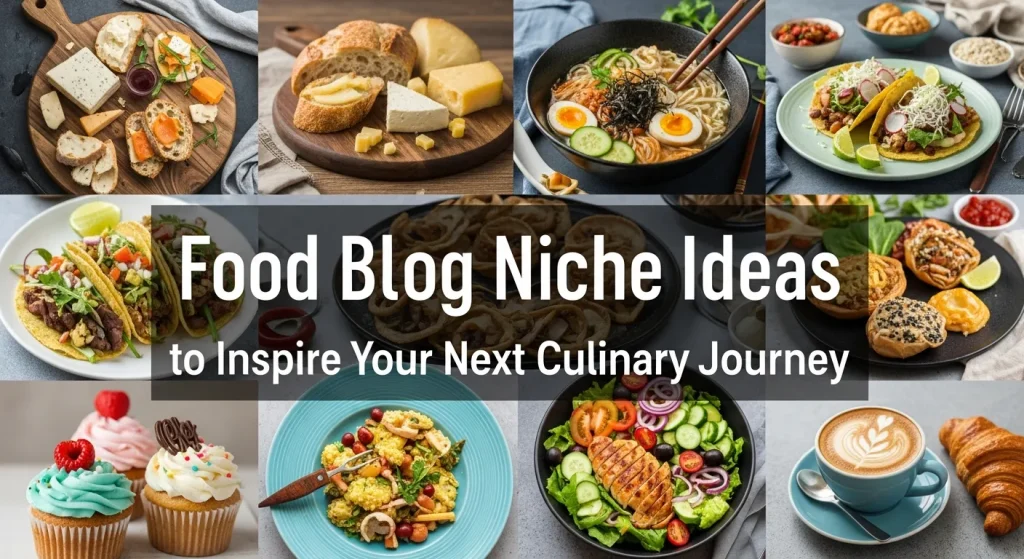
Starting a digital culinary journey requires more than just good recipes; it requires a strategic food blog niche to cut through the noise and reach hungry readers.
This comprehensive guide explores diverse food blog niche ideas, ranging from zero-waste cooking to hyper-local global cuisines. We also provide “Smart Blogging Strategies” covering SEO, brand positioning, and digital marketing to ensure your blog transforms from a hobby into a profitable, authoritative brand.
Food Blog Niche Ideas to Inspire Your Next Culinary Journey
The digital food landscape is more “cluttered” than ever. However, the secret to success isn’t just posting another chocolate chip cookie recipe—it’s about finding your “Brand Voice” and a specific corner of the market. By selecting a narrow food blog niche, you stop shouting into the void and start speaking directly to a loyal tribe.
Why a Specific Food Blog Niche is Non-Negotiable
Before diving into our list of food blog niche ideas, we must understand the mechanics of “Brand Positioning.” In marketing, a niche gives you:
- Authority: You become the “go-to” expert for a specific problem.
- SEO Advantages: It is easier to rank for “Easy Vegan Keto Desserts” than just “Desserts.”
- Community: Narrow niches foster high “Brand Awareness” and engagement.
1. Plant-Based and Vegan Specialized Cooking
The shift toward sustainability has made the plant-based sector a goldmine for food blog niche ideas. Instead of a general vegan blog, consider:
- High-Protein Vegan for Athletes: Focus on muscle-building without animal products.
- Veganized Childhood Classics: Nostalgia meets ethical eating.
- Raw Food Artistry: Focusing on the aesthetics and health of uncooked meals.
2. Global Cuisine & Hyper-Local Exploration
“Brand Adaptation Strategies” are key here. Don’t just cook “Asian food.” Go deeper.
- Regional Specialties: Focus exclusively on Oaxacan Mexican cuisine or Hokkaido Japanese dishes.
- The Immigrant Kitchen: Documenting oral histories and recipes from diaspora communities.
- Authentic Street Food: Recreating the world’s best sidewalk eats at home.
3. Allergy-Friendly & Therapeutic Diets
This is one of the most profitable food blog niche categories because it solves a “pain point.”
- AIP (Autoimmune Protocol) Meals: Helping those with chronic illnesses.
- Nut-Free School Lunches: A lifesaver for busy parents.
- Low-FODMAP Gourmet: High-end flavors for sensitive stomachs.
4. Zero-Waste & Sustainable Kitchens
“Ethical Branding” is a major trend in 2026. This niche focuses on the “Circular Economy” of food.
- Root-to-Stem Cooking: Using every part of the vegetable.
- Plastic-Free Food Preservation: Canning, pickling, and traditional storage.
- Upcycled Scraps: Turning peels and bones into gourmet stocks and snacks.
5. The Beverage Specialist
A food blog niche doesn’t have to be about solid food.
- Home Fermentation: Kombucha, kefir, and ginger beer.
- Alcohol-Free Mixology: The rising “Sober Curious” movement.
- Bean-to-Cup Coffee Education: For the true caffeine aficionado.
Smart Blogging Strategies: From Content to Commerce
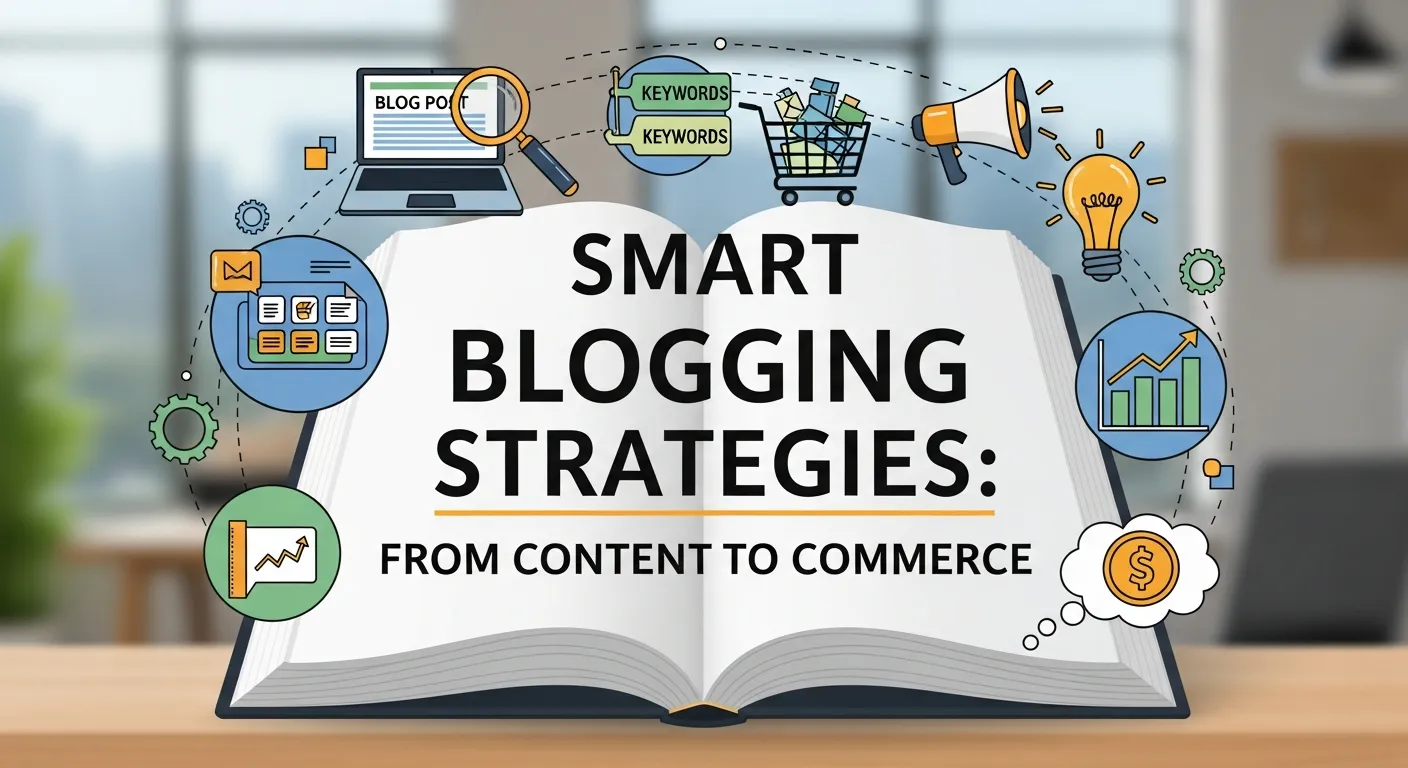
Choosing a niche is step one. Step two is “Brand Strategy Development.” To make your blog a success, you need to treat it like a Consumer Brand.
How to Choose a Profitable Blog Niche
When evaluating your food blog niche ideas, use this framework:
- Passion: Can you write 100 articles on this without getting bored?
- Profitability: Are there products to review Amazon SEO or courses to sell?
- Search Volume: Use tools like SEMrush to see if people are actually searching for these terms.
Optimizing Your Blog Posts
To rank on page one, you must understand “How to optimize Blog Posts.” This includes:
- Answer Engine Optimization (AEO): Crafting content that AI assistants (like me!) can easily parse.
- Keyword Placement: Ensure your focus keyword—Food Blog Niche Ideas—is in the H1, first paragraph, and alt-text.
- Page Speed: How to improve blogs page speed is a technical hurdle; use lightweight themes and compressed images to reduce bounce rates.
Building Brand Authority and Trust
Your Personal Brand Strategy should focus on “Building Brand Authority.” You can do this by:
- Guest Posting Services: Writing for established sites to get high-quality backlinks (Ethical Link Building).
- SEO Audits: Regularly using a Seo audit Guide to fix broken links and outdated content.
- Social Proof: Highlighting Digital Marketing Success Stories or testimonials from readers who loved your recipes.
Marketing Your Food Blog: Viral and Traditional Methods
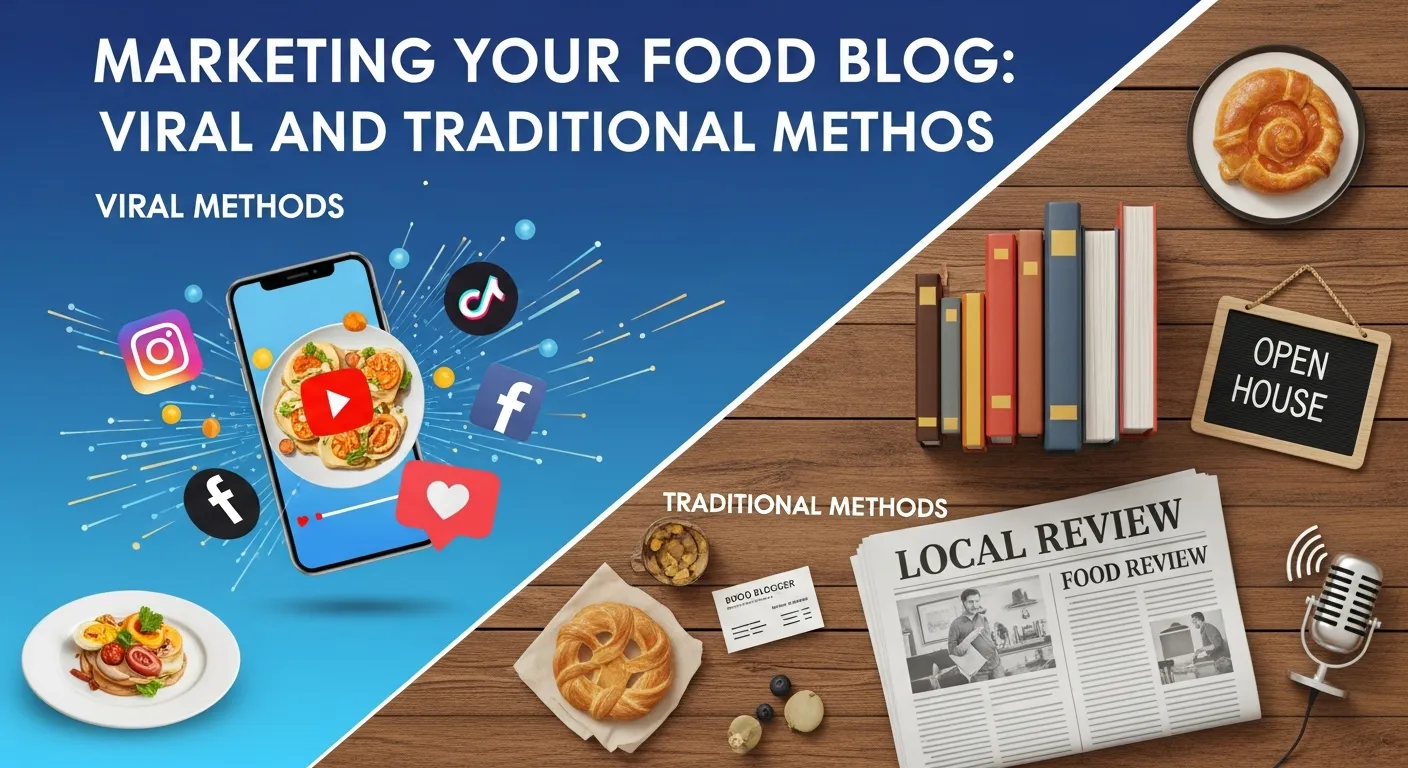
Once your content is live, you need to Promote blog content effectively.
The Power of Viral Marketing
In 2026, Viral Content Marketing is driven by short-form video. To make your recipes go viral:
- Viral Marketing on Tiktok: Use Psychology of Trend Marketing to create Marketing FOMO (Fear Of Missing Out).
- Meme Marketing: Use humor to make your culinary Brand Voice relatable.
- Predictive Trend Marketing: Use Ai Driven Trend Marketing tools to see what ingredients will be popular next season.
Outbound vs. Inbound Marketing
- Inbound Marketing: Creating great recipes that people find through search.
- Outbound Marketing: Outbound Email Marketing and SMS Marketing to pull people back to your site for new posts.
| Marketing Type | Strategy | Goal |
| Search SEO | Local SEO Services | Be the #1 food blogger in your city. |
| Social | Influencer Marketing | Partner with others for “Co-Branding.” |
| Direct | Whatsapp Marketing | Send recipe alerts directly to fans. |
| Technical | Video SEO | Rank your cooking tutorials on YouTube. |
Technical Foundations for Success
A blog is a business. To scale your food blog niche, you need the right infrastructure.
Mastering the Platform
For most, a Guide to mastering wordpress is essential. WordPress allows for the best SEO Services integration and Web Design & Development flexibility. Ensure you have a Digital Payment Solution integrated if you plan on selling e-cookbooks or SaaS Development Services for meal planning apps.
Reputation Management
As your Brand Awareness grows, so does the risk of Brand Crisis Management. Use Brand Monitoring Services to track what people say about your recipes. Digital Reputation Management ensures that one bad review of a salty cake doesn’t ruin your “Brand Perception.”
Investing Your Income
Once you start seeing Passive income through blogging, you must know “How to invest blogging income.” Reinvest in:
- Ai Writing Tools for Bloggers: To speed up draft creation.
- Professional Photography: To enhance Sensory Branding.
- White Label SEO: Hiring experts to handle the technical heavy lifting.
Plant-Based and Vegan Specialized Cooking
The shift toward sustainability has made the plant-based sector a goldmine for food blog niche ideas. Instead of a general vegan blog, consider:
- High-Protein Vegan for Athletes: Focus on muscle-building without animal products.
- Veganized Childhood Classics: Nostalgia meets ethical eating.
- Raw Food Artistry: Focusing on the aesthetics and health of uncooked meals.
Global Cuisine & Hyper-Local Exploration
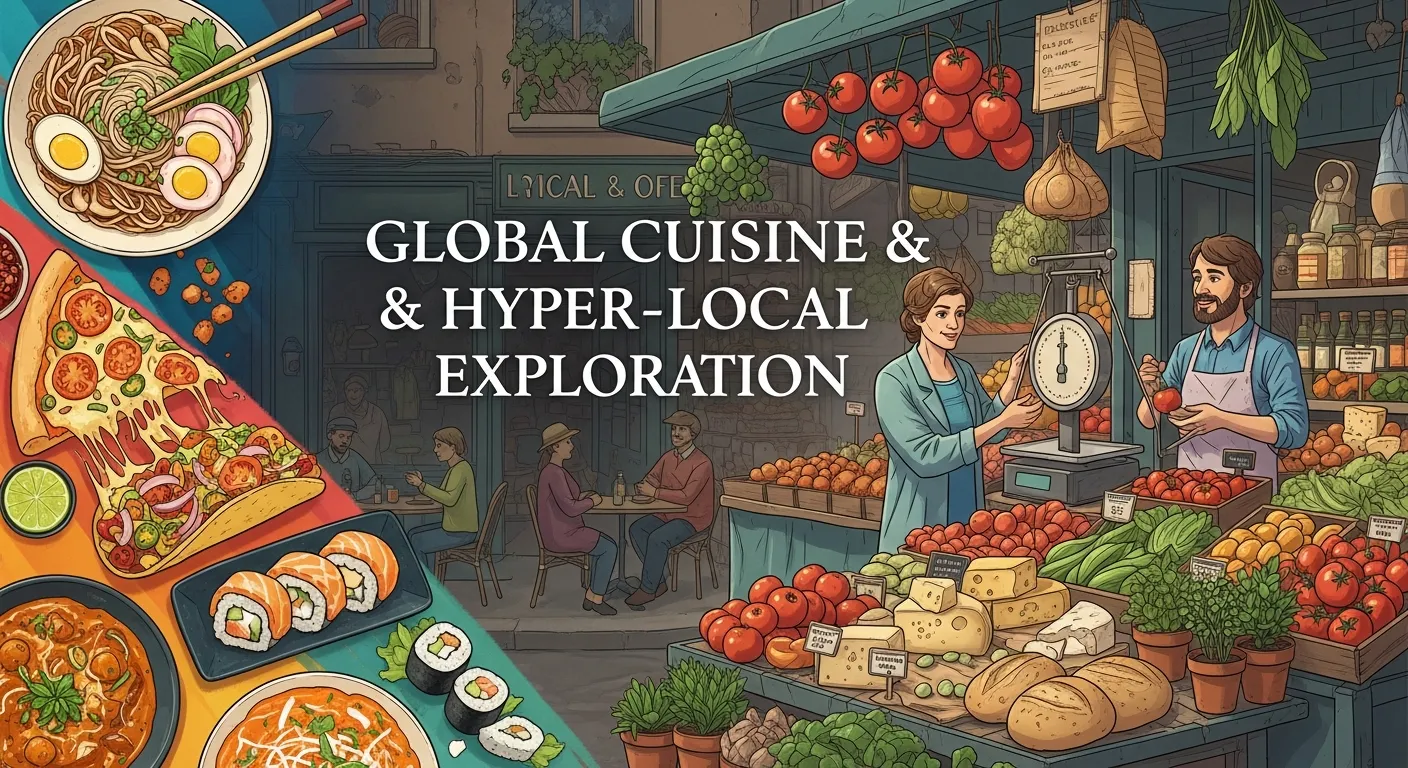
Brand Adaptation Strategies are key here. Don’t just cook “Asian food.” Go deeper.
- Regional Specialties: Focus exclusively on Oaxacan Mexican cuisine or Hokkaido Japanese dishes.
- The Immigrant Kitchen: Documenting oral histories and recipes from diaspora communities.
- Authentic Street Food: Recreating the world’s best sidewalk eats at home.
Sensory Maximalism & “Kitchen Couture”
In 2026, food is as much about the visual and auditory experience as the taste.
- ASMR Cooking: Focus on the Sensory Branding of sizzling pans and rhythmic chopping.
- Edible Art: High-concept plating and “Kitchen Couture” where dishes serve as an expression of personality.
- Extreme Textures: A food blog niche dedicated to the crunchiest, creamiest, or fluffiest recipes.
Functional Cuisine & Longevity Eating
Modern audiences are moving beyond simple “healthy” eating into Functional Branding.
- The High-Fibre Movement: Focus on gut health via pulses, legumes, and ancient grains.
- Nootropic Recipes: Meals designed to boost cognitive performance and focus.
- Adaptogenic Cooking: Incorporating mushrooms and herbs for stress management.
Hyper-Local & Sourced Storytelling
Brand Transparency is a major driver for modern consumers.
- The Forager’s Kitchen: Focus on recipes using wild, seasonal ingredients found in nature.
- Farm-to-Screen: Collaborating with local producers to show the origin of every ingredient.
- Micro-Garden Cooking: Helping urban dwellers cook with what they grow on their balconies.
Sustainable & Upcycled Gastronomy
“Ethical Branding” and Circular Economy strategies are no longer optional.
- Upcycled Ingredient Specialist: Creating gourmet meals from “ugly” produce or manufacturing byproducts (like spent grain).
- Zero-Waste Pantry: A guide to Brand Simplification by reducing kitchen waste to zero.
- Forgotten Crops: Reviving ancient, resilient grains like millet or sorghum to promote biodiversity.
Smart Blogging Strategies: From Content to Commerce
How to Choose a Profitable Blog Niche
When evaluating your food blog niche ideas, use this framework:
- Passion: Can you write 100 articles on this without getting bored?
- Profitability: Are there products to review Amazon SEO or courses to sell?
- Search Volume: Use tools like SEMrush to see if people are actually searching for these terms.
Optimizing Your Blog Posts
To rank on page one, you must understand How to optimize Blog Posts. This includes:
- AEO Mastery: Crafting content that AI assistants can easily parse.
- Keyword Placement: Ensure your focus keyword—Food Blog Niche Ideas—is in the H1 and metadata.
- Page Speed: Learn How to improve blogs page speed by using lightweight themes and optimized “Video SEO.”
Technical Foundations for Success
| Strategy | Actionable Step | Expected Outcome |
| SEO Audit | Use a Seo audit Guide monthly. | Maintain high search visibility. |
| Monetization | Sell niche “Digital Products” (e.g., e-cookbooks). | Generate Passive income through blogging. |
| Reputation | Use “Brand Monitoring Services.” | Manage Digital Reputation Management. |
| Promotion | Leverage Viral Marketing Strategies. | Rapidly grow Brand Awareness. |
Future Opportunities: AI, Interactive Content, and Beyond

The landscape of food blog niche ideas is shifting toward technology-driven experiences.
- “Answer Engine Optimization” (AEO): Creating recipes specifically structured for AI voice assistants.
- Shoppable Content: Integrating Digital Payment Solutions directly into your recipes for one-click grocery shopping.
- AI-Enhanced Visuals: Using Ai Writing Tools for Bloggers and generative image tech to create stunning, low-cost “Food Photography.”
- Virtual Culinary Workshops: Transitioning from static text to Interactive Marketing through live-streamed, subscription-based classes.
Conclusion
Finding the perfect food blog niche is the bridge between a hobby and a thriving career. By focusing on a specific audience, leveraging “Smart Blogging Strategies,” and maintaining a consistent Brand Personality, you will build a digital home that attracts both readers and brands. Now, pick your niche, start cooking, and share your voice!
FAQ: Everything You Need to Know About Food Blog Niches
1. What is a niche in the context of food blogging?
A niche is a specialized segment of the food market. Instead of “Food,” your niche might be “Budget-friendly Air Fryer Meals for Students.” It defines your “Brand Positioning Strategy.”
2. How do I know if my food blog niche ideas are profitable?
Check for Amazon SEO potential (products to link), Influencer Marketing Services interest, and high-volume “Long-tail Keywords.” If companies are buying ads in that space, it’s profitable.
3. How can AI transforms SEO for my food blog?
AI helps with Predictive Trend Marketing and Answer Engine Optimization. It allows you to create content that matches exactly how people ask questions in 2026.
4. What is the best way to promote my blog to a new audience?
Use a mix of Inbound Marketing (SEO) and Viral Marketing Strategies (Social Media). Referral Marketing from other bloggers in your niche is also highly effective.
5. How important is “Brand Voice” in a food blog?
Extremely. Your Brand Voice Strategy makes you memorable. Whether you are sarcastic, scientific, or motherly, consistency builds Brand Equity.
6. Can I change my niche later?
Yes, but it requires a Brand Refresh or Rebranding Case Study. It’s better to start narrow and Brand Extension Marketing later (e.g., starting with Cupcakes and moving to all Baking).
7. How do I handle negative comments on my recipes?
This falls under Review Management Services. Address them professionally and use them to improve your “Customer Journey Mapping.”
8. Is Local SEO relevant for food bloggers?
Yes! If you review local restaurants or use local ingredients, Local SEO Services can help you dominate your geographic area.
9. What are the best “Smart Blogging Strategies” for 2026?
Focus on User Experience and Branding, Mobile-first indexing, and “Ethical Branding” to build long-term Brand Resilience.
10. How do I create viral content consistently?
Study the Psychology Behind Viral Content. Focus on high-arousal emotions (awe, excitement, or even surprise) and use Trend Marketing Mastery to time your posts.