AI Writing Tools for Bloggers: Helpful or Harmful?
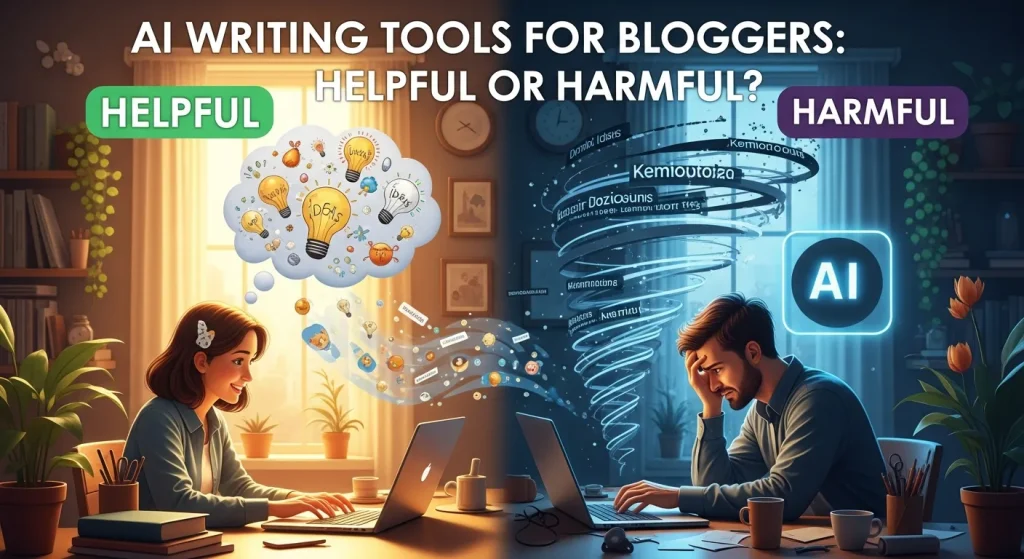
The rise of AI writing tools has sparked a fierce debate: are they a productivity miracle or a threat to the authentic human voice?
This guide explores how AI writing tools can revolutionize your workflow through speed and SEO optimization, while cautioning against the risks of content homogenization. Discover a hybrid strategy that leverages technology without sacrificing the personal connection readers crave.
AI Writing Tools for Bloggers: Helpful or Harmful?
The digital landscape in 2026 is no longer just about who can write the best; it is about who can orchestrate the best collaboration between human intuition and machine efficiency. As AI writing tools become more sophisticated, they have transitioned from simple grammar checkers to full-scale creative partners. However, the stakes for bloggers have never been higher. With search engines like Google prioritizing E-E-A-T (Experience, Expertise, Authoritativeness, and Trustworthiness), the way you use these tools will determine whether your blog thrives or disappears into the noise of automated mediocrity.
The Revolutionary Power of AI Writing Tools
For years, bloggers faced the same “Big Three” enemies: writer’s block, slow production speeds, and the shifting sands of SEO. Modern AI writing tools for bloggers have effectively neutralized these threats.
1. Crushing Writer’s Block and Enhancing Ideation
One of the most significant smart blogging strategies is using AI as a brainstorming partner. Tools today can analyze millions of data points to suggest trending webinar topics, identify content gaps, and even help you understand what is a niche that remains untapped. Instead of staring at a blinking cursor, you can now generate ten unique angles for a single topic in seconds.
2. Speed and Scalability
The speed advantage is no longer a luxury; it is a requirement. In an era of omnichannel consumption, a blogger must produce content for their site, newsletters, and social media simultaneously. AI allows you to take a “seed” idea and expand it into a comprehensive draft, reducing the time spent on manual research and initial structural formatting.
3. Precision SEO and Answer Engine Optimization (AEO)
Beyond standard keyword stuffing, AI now assists with Answer Engine Optimization (AEO). As search evolves into a conversation, AI tools help you structure your content to be the “featured snippet” or the direct answer provided by AI-driven search engines. From Amazon SEO to YouTube SEO, these tools ensure your metadata, headers, and semantic keywords are perfectly aligned with current algorithms.
The Comparison: Human vs. AI vs. Hybrid
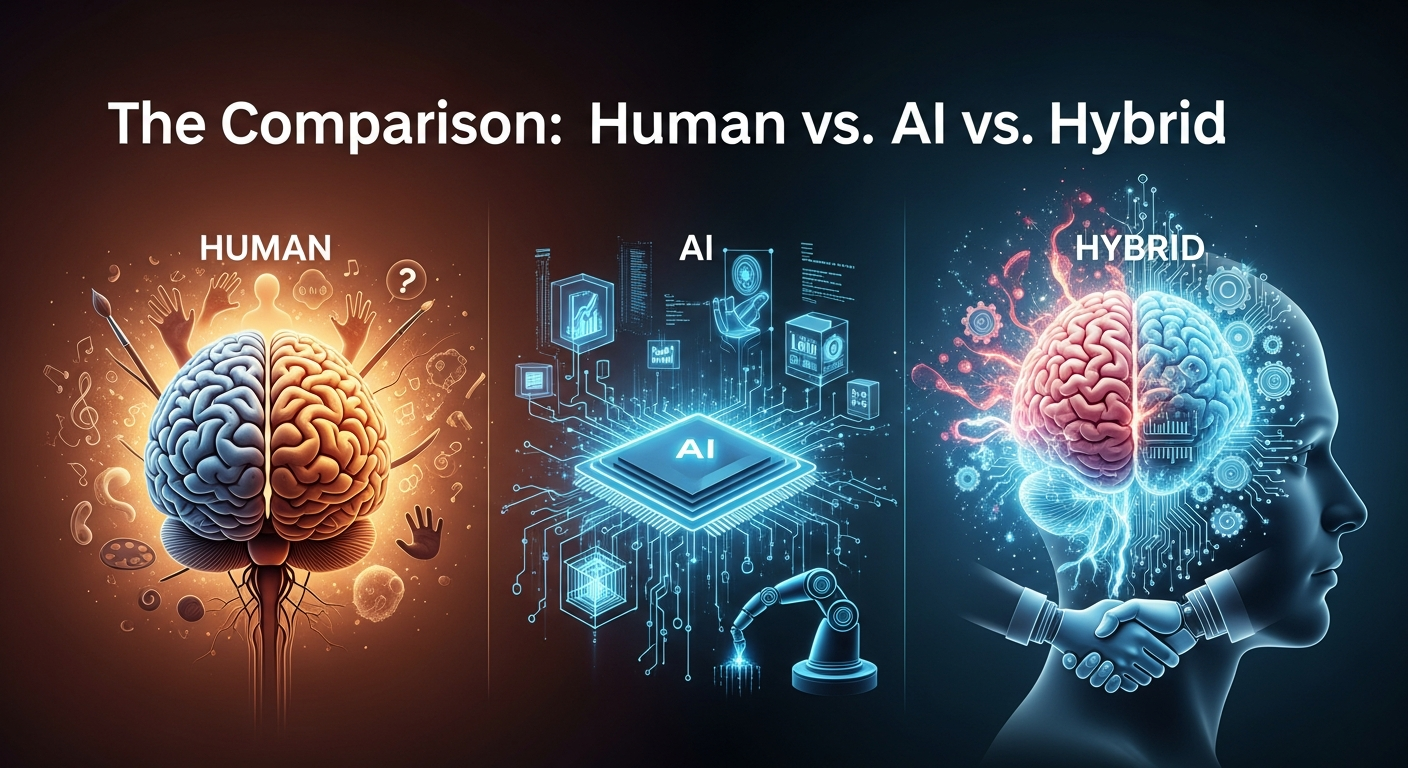
To understand the landscape, let’s look at how different content creation methods stack up against each other in 2026.
| Feature | Pure Human Content | Pure AI Content | Hybrid (AI-Assisted) |
| Production Speed | Slow | Instant | Fast |
| Authenticity | Very High | Low/Generic | High |
| SEO Optimization | Manual/Variable | Data-Driven | High (Optimized + Expert) |
| Emotional Resonance | Strong | Weak | Strong |
| Risk of Penalties | Very Low | High (if unedited) | Low |
Navigating the Risks: Why Authenticity Still Wins
While the benefits are tempting, the “Dark Side” of AI usage can lead to a “Brand Crisis.” If every blogger uses the same AI writing tools, the internet risks becoming a feedback loop of generic advice.
The Erosion of Personal Brand Strategy
Readers don’t just come for information; they come for you. Your personal brand strategy relies on a unique brand voice and brand personality. AI-generated text often lacks the “scars” of experience—the personal anecdotes, the failures, and the specific insights that build brand equity.
Search Engine Penalties and E-E-A-T
Google’s 2024-2025 updates made one thing clear: “unhelpful” content will be demoted. If your blog relies on scaled content abuse—mass-producing unedited AI articles—your rankings will suffer. To maintain brand resilience, you must inject first-hand experience into every piece.
Smart Blogging Strategies: A 2026 Framework
To succeed, you must move from being a “writer” to an “AI Orchestrator.” Here is how to implement a winning hybrid workflow:
- Strategic Planning (Human-Led): Determine your brand positioning and customer journey mapping. Use your human intuition to decide why a topic matters to your audience.
- Research & Outlining (AI-Assisted): Use AI writing tools to perform an SEO audit guide, identify semantic keywords, and build a logical structure.
- Drafting (The “Zero Draft”): Let the AI generate a rough foundation.
- Injecting “The Soul” (Human-Led): This is the most critical step. Add personal stories, unique data, and expert quotes. This satisfies Google’s E-E-A-T requirements.
- Optimization (AI-Assisted): Use tools for final SEO services, checking for local SEO relevance, and ensuring the blogs page speed isn’t compromised by heavy elements.
The Technical Edge: How AI Transforms SEO and Content Performance
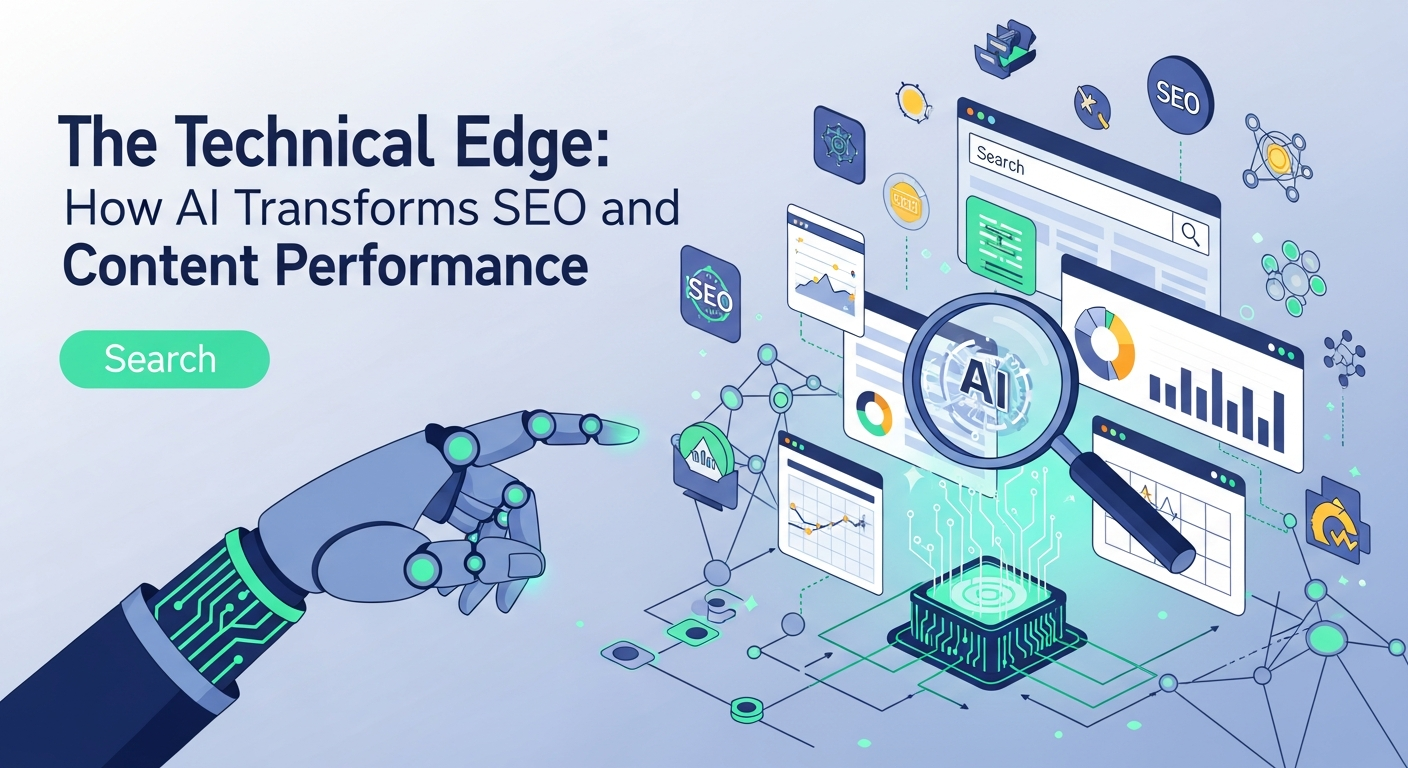
In 2026, how AI transforms SEO goes beyond simple keyword placement. It now involves Predictive Trend Marketing—using data to write about what users will be searching for next week, not just what they searched for last year.
Improving Blogs Page Speed and User Experience
Search engines prioritize the “Core Web Vitals” of your site. While you use AI writing tools to create content, you must ensure your site’s infrastructure is sound.
- Optimize Blog Posts: Use AI to compress images without losing quality.
- Code Clean-up: Use AI-driven software development services to minify CSS and JavaScript, which helps improve blogs page speed.
- User Experience (UX): Use heat-mapping tools to see where readers drop off and use AI to rewrite those specific “friction points.”
Strategy Comparison: Inbound vs. Outbound in the AI Era
To build a sustainable business, you need to balance how people find you (Inbound Marketing) with how you find them (Outbound Marketing).
Marketing Strategy Matrix
| Strategy Type | Role of AI Writing Tools | Key Success Metric |
| Inbound Marketing | SEO-optimized blog posts, Guide to Mastering WordPress, and FAQ sections. | Organic Traffic & Time on Page |
| Outbound Marketing | Personalized Outbound Email Marketing and SMS Marketing scripts. | Click-Through Rate (CTR) |
| Brand Awareness | Creating viral hooks for Viral Marketing on TikTok and social captions. | Brand Mentions & Shares |
| B2B Digital Marketing | Whitepapers, SaaS Development Services documentation, and LinkedIn articles. | Lead Quality & Conversion |
Building Brand Authority Through Authentic Storytelling
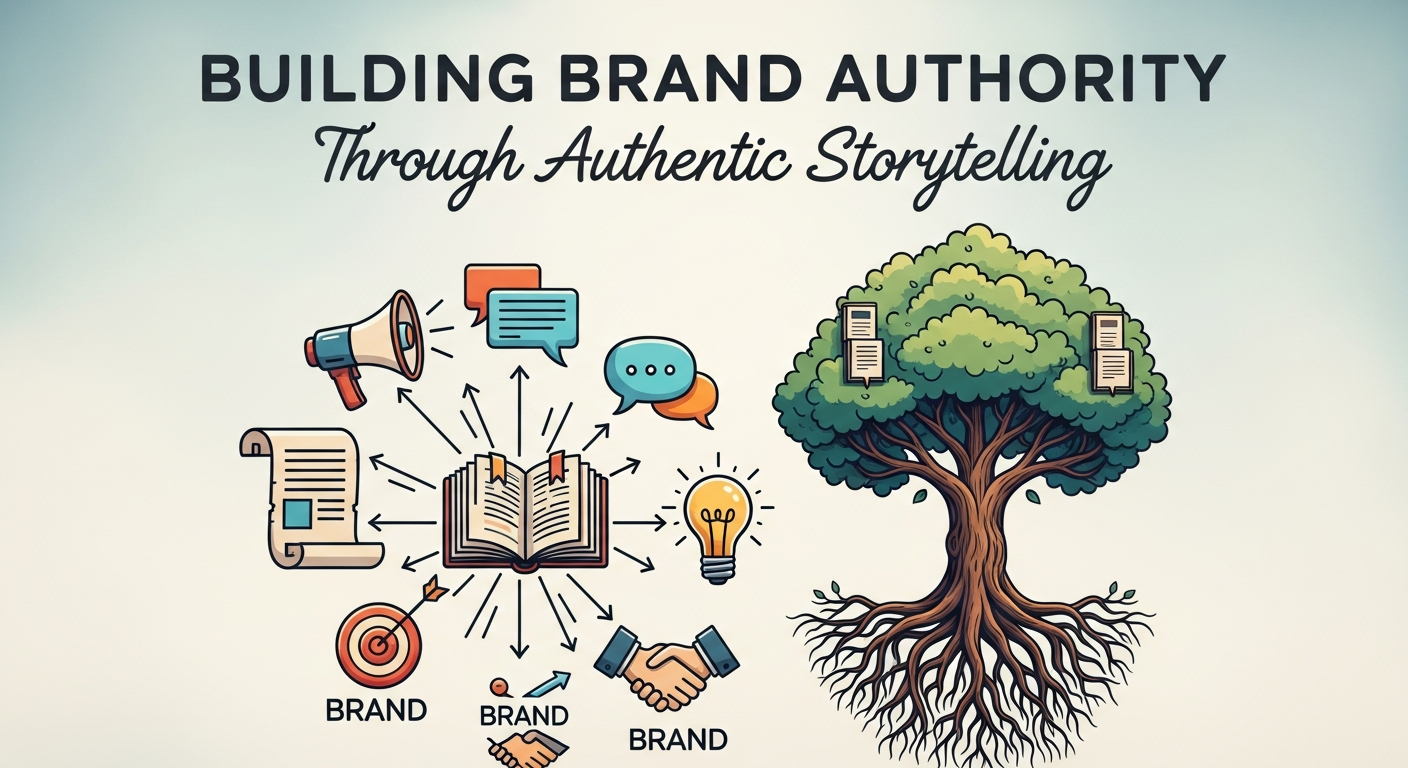
As the internet becomes flooded with synthetic text, Brand Storytelling becomes your greatest competitive advantage. This is where you move from being a “content creator” to a “thought leader.”
Developing a Brand Voice Strategy
To ensure your AI doesn’t dilute your personality, define your Brand Archetypes Framework. Are you the “Explorer,” the “Sage,” or the “Rebel”?
- Brand Consistency: Feed your brand’s style guide into your AI writing tools to ensure the output matches your established Brand Personality in Marketing.
- Brand Perception: Regularly perform a Brand Audit to see if your AI-assisted content is shifting how the public views your expertise.
- Emotional Marketing: Use AI to analyze the “sentiment” of your drafts, ensuring they trigger the right emotions—be it trust, excitement, or urgency.
Monetization: Turning Traffic into Passive Income
Using AI allows you to spend less time writing and more time building Passive Income through blogging. By automating the “grunt work,” you can focus on:
- Webinar Sales Funnel: Create Irresistible Webinar Offers using AI to draft the scripts and landing pages.
- Affiliate Marketing: Write detailed product reviews and comparisons (e.g., Luxury Brand Marketing Strategy vs. CPG Brand Marketing).
- Digital Products: Package your blog’s top-performing “How-to” guides into a paid ebook or course.
Best Practices for Responsible AI Integration
- Transparency is Currency: Consider disclosing your use of AI for research. In an age of deepfakes, honesty builds brand authority.
- Fact-Check Everything: AI “hallucinations” are still a reality. Never publish a statistic or a legal claim without human verification.
- Focus on Ethical Branding: Ensure your content doesn’t inadvertently mirror biases found in AI training data.
- Invest Your Income: As you save time, learn how to invest blogging income back into media buying services or influencer marketing services to diversify your traffic.
The Future Frontier: Where AI Meets Human Ingenuity

The evolution of AI writing tools is shifting the blogging landscape from static text to hyper-personalized experiences. The real opportunity lies in becoming an “Experience Architect” rather than just a writer.
1. Predictive Trend Marketing
The next generation of bloggers won’t just react to news; they will anticipate it. By leveraging AI Driven Trend Marketing, you can identify “micro-trends” before they peak. This allows you to build Brand Authority by being the first to provide deep analysis, satisfying Answer Engine Optimization (AEO) requirements before the competition even wakes up.
2. Interactive “Living” Content
Imagine a blog post that adapts its examples in real-time based on the reader’s background—whether they are in Luxury Brand Marketing or SaaS Development Services. Future AI writing tools for bloggers will allow for dynamic content blocks that increase engagement and significantly boost your Brand Equity.
Future Opportunity Matrix
| Opportunity | AI’s Role | Why It Wins |
| Micro-Trend Analysis | Predictive Data Strategy | Secure “First-Mover” Advantage |
| Multimodal Content | AI Video/Voice Sync | Dominates YouTube SEO & Podcasts |
| Dynamic Personalization | Real-time UX Adaptation | Maximizes Brand Perception |
| Automated Branding | Voice & Tone Enforcement | Ensures Building Brand Consistency |
Conclusion
The future of blogging isn’t about choosing between humans and machines; it’s about the synergy of both. AI writing tools are powerful engines, but you are the driver. By using AI for efficiency and humans for empathy, you can create a blog that doesn’t just rank—it resonates.
FAQs
1. Will Google penalize me for using AI writing tools?
No, Google does not penalize content simply because it was created by AI. However, it does penalize content that is unhelpful, thin, or created solely to manipulate search rankings. The key is ensuring your content provides value and demonstrates human expertise.
2. How can I maintain my unique brand voice while using AI?
Always write your own introductions and conclusions. Use the “Write first, refine later” method: jot down your core thoughts in your own messy, human way, and then ask the AI to polish the grammar or structure while keeping your specific tone.
3. What are the best AI writing tools for bloggers in 2026?
Current leaders include Jasper for brand voice consistency, Outrank for autonomous SEO, and specialized tools like SEOBoost for real-time content scoring. The “best” tool depends on whether you need help with ideation, drafting, or technical SEO.
4. Can AI help with more than just text?
Absolutely. Modern multimodal AI can help with video SEO, generating branded graphics, and even suggesting creative webinar ideas to engage your audience beyond the written word.
5. How does AI impact local SEO services?
AI can help customize content for specific geographic locations by analyzing local search trends and dialects. However, local authenticity still requires “boots on the ground” insights that AI cannot replicate.
6. What is “Answer Engine Optimization” (AEO)?
AEO is a strategy to optimize content for AI-driven search assistants (like Gemini or ChatGPT). It involves structuring content in clear Q&A formats and using schema markup so AI can easily extract and cite your blog as the definitive source.
7. Is it ethical to use AI for blogging?
It is ethical as long as you are providing accurate information and not misleading your readers. Ethical branding involves being transparent about your process and ensuring that your content remains a helpful resource rather than a tool for spam.
8. How do I prevent AI from making my content sound generic?
Avoid “one-click” article generators. Instead, use AI to expand on your specific bullet points. Add “Experience” (the first E in E-E-A-T) by talking about things you have actually done, seen, or felt.
9. Can AI tools help with guest posting services?
Yes, they can help you research relevant sites and draft outreach emails. However, the guest post itself should be high-quality and tailored to the host site’s audience to ensure it passes their editorial standards.
10. How should I start integrating AI into my blog?
Start small. Use AI for a brand audit or to generate meta descriptions for old posts. Once you’re comfortable, move on to using it for outlines and research summaries before attempting full-scale draft assistance.