How to Find a Travel Blog Niche That Inspires and Stands Out

Starting a travel blog is a thrilling journey into digital storytelling, but success in 2026 requires more than just a passport and a camera. To truly resonate, you must find a travel blog niche that cuts through the noise and establishes your authority.
Finding your perfect travel blog niche involves auditing your passions, analyzing market gaps, and leveraging modern tools. This guide covers actionable steps—from identifying unique superpowers to balancing profitability—ensuring your blog attracts a loyal audience while generating sustainable passive income in a competitive digital landscape.
Why You Must Find a Travel Blog Niche in 2026
The travel blogging industry has evolved. Gone are the days when a general “world traveler” could build a massive following by simply posting sunset photos. Today, the global travel market is projected to reach $1.67 trillion in gross bookings, and travelers are increasingly looking for hyper-specific, expert advice.
Without a clear travel blog niche, your content becomes “gray noise.” A niche provides:
- Targeted Audience: You aren’t just talking to “everyone”; you’re talking to “solo female hikers over 50” or “sustainable luxury travelers in Southeast Asia.”
- Easier Monetization: Advertisers, particularly in luxury brand marketing, want to partner with creators who own a specific demographic.
- Brand Awareness: In a world of AI-generated content, a strong brand personality in marketing makes you irreplaceable.
Identify Your Passions and Interests
Your niche should start with what you love. If you don’t enjoy the topic, you will face burnout long before you see significant passive income through blogging.
Ask yourself these critical questions:
- Which destinations do I find myself researching for fun?
- Do I prefer the adrenaline of adventure travel or the serenity of wellness retreats?
- Is my travel style defined by budget-friendly hacks or luxury travel experiences?
Consider What Makes You Unique (Your Superpower)

Your personal story is the foundation of your personal brand strategy. In 2026, brand perception in marketing is driven by authenticity.
Consider your unique angles:
- Professional Expertise: Are you a digital nomad? Use your experience to write about remote work and digital nomad lifestyles.
- Demographics: Are you traveling as a person with disabilities? Accessible travel is a high-growth, underserved niche.
- Skill Sets: If you’re a photographer, focus on visual storytelling or YouTube SEO for travel vloggers.
| Unique Angle | Potential Niche |
| Parenting Experience | Family Travel Blog for neurodivergent children |
| Environmental Activism | Sustainable and Eco-Friendly Travel |
| High-Income Career | Luxury Brand Marketing for executive retreats |
| Budget Master | Budget Backpacking in high-cost cities |
Research Your Competition and Market Gaps
To find a travel blog niche, you must know what is already working. High-authority sites like Ahrefs or SEMrush are essential for a professional SEO audit guide.
- Google Search: Type in “Solo travel blogs.” See who occupies the first page. If the results are all major publications, look for a “micro-niche.”
- Identify Gaps: Many blogs cover “Budget Travel in Europe,” but few might cover “Budget Travel for Vegans in Eastern Europe.”
- Social Media Trends: Use viral marketing on TikTok or Instagram to see which travel questions are going unanswered in the comments sections.
Balance Passion with Profitability

A blog is a business. To ensure longevity, you need to understand brand positioning strategy and how it leads to revenue.
Profitable Niches for 2026
- Luxury Travel: Higher affiliate commissions for hotels and private tours.
- Adventure Travel: Focus on high-ticket items like gear and specialized insurance.
- Sustainable Living: A market growing at a 7.7% CAGR, where readers are willing to pay more for eco-conscious choices.
- Pet-Friendly Travel: The global pet industry is valued at over $500 billion, and travelers are increasingly taking their “furry friends” along.
Leverage AI and Modern Blogging Tools
In 2026, the use of AI writing tools for bloggers has tripled. Tools like Jasper or ChatGPT (using models like Gemini) help with:
- Smart Blogging Strategies: Generating outlines and brainstorming creative webinar ideas.
- SEO Optimization: Using answer engine optimization (AEO) to ensure your blog appears in AI-generated search summaries.
- Efficiency: Improving blogs page speed and managing integrated marketing campaigns.
Define Your Audience and Customer Journey
Successful brand positioning requires knowing exactly who you are writing for. Use customer journey mapping to understand their pain points.
- Age Range: Are they Gen Z looking for viral content or Boomers seeking luxury brand marketing experiences?
- Budget: Do they want to save every penny, or are they looking for CPG brand marketing recommendations for high-end travel gear?
- Travel Intent: Are they looking for “how to” guides or “where to” inspiration?
Test, Iterate, and Promote
Before you dive into a rebranding case study, test your niche.
- Promote your blog: Use outbound email marketing and SMS marketing to reach your initial audience.
- Analyze Data: Use Google Analytics to see which posts get the most traction.
Build Authority: Focus on ethical link building and guest posting services to increase your brand equity in marketing.
Master the “Micro-Niche”: The Key to 2026 Search Dominance

In the current landscape, a general travel blog niche is no longer enough. To capture high-intent traffic, you must pivot toward “Micro-Niches.” While a broad niche might be “European Travel,” a micro-niche is “Train Travel for Digital Nomads in the Balkans.”
Why Micro-Niches Win:
- Lower Competition: You aren’t competing with giants like Lonely Planet for massive keywords; you’re winning specific queries.
- Higher Conversion: A reader looking for “best vegan street food in Hanoi” is more likely to click an affiliate link for a food tour than someone searching for “things to do in Vietnam.”
- Topical Authority: Search engines now prioritize topical depth. Covering every corner of a small niche signals to AI that you are the ultimate expert.
Leveraging “Answer Engine Optimization” (AEO)
The way travelers find information has shifted. With the rise of AI-driven search, Answer Engine Optimization is the new frontier for your travel blog niche.
How to Optimize for AI Search:
- Direct Answer Headers: Use H3 tags as questions (e.g., “What are the best eco-lodges in Costa Rica?”) and provide a concise 40-50 word answer immediately below.
- Structured Data: Use Schema markup to help AI “read” your itineraries, reviews, and prices.
- Entity-Based SEO: Instead of just keywords, focus on “entities”—specific landmarks, brands, and local experts—to build brand authority.
Modern Monetization: Beyond Display Ads
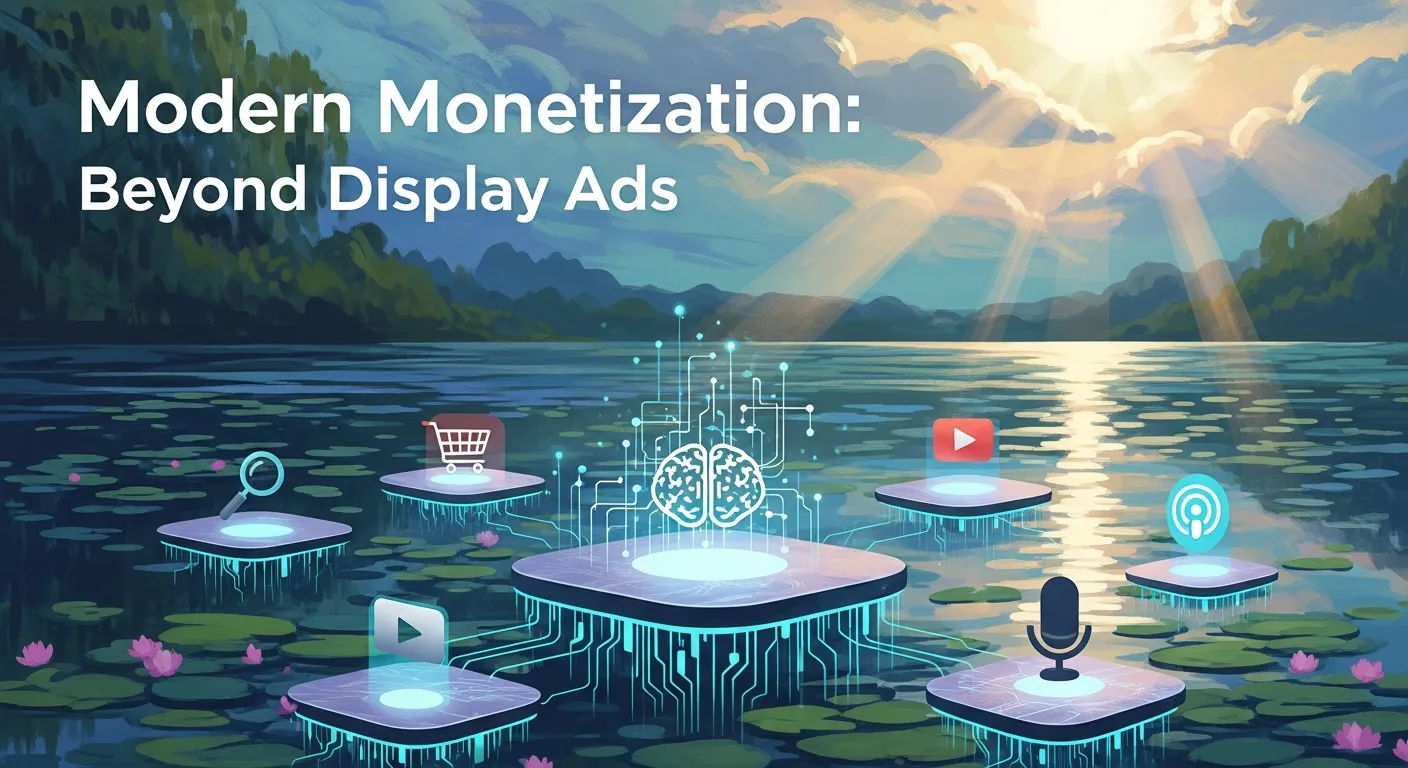
While passive income through blogging often starts with ads, the most successful 2026 bloggers diversify.
Advanced Revenue Streams:
- Acommerce (AI-Driven Commerce): Optimizing your product recommendations so AI agents (like Gemini or ChatGPT) suggest your links to users planning trips.
- Exclusive Membership Tiers: Offering “Behind-the-Scenes” content or custom Google Maps pins via platforms like Substack or Patreon.
- High-Ticket Affiliate Marketing: Transitioning from $15 hostel commissions to $500 luxury cruise or luxury brand marketing commissions.
The Role of Video and YouTube SEO
A travel blog niche isn’t restricted to text. In 2026, a multi-channel approach is mandatory. YouTube SEO and short-form viral marketing on TikTok are the primary drivers of new “discovery” traffic.
Strategy for Travel Creators:
- Visual Storytelling: Use high-quality B-roll and drone footage to create an immersive brand personality.
- Searchable Video Titles: Use “How to” and “Cost of” titles to capture travelers in the planning phase.
- Cross-Promotion: Embed your YouTube videos into blog posts to improve blogs page speed metrics (by keeping users on-page longer) and boost your Google rankings.
Ethics, Sustainability, and Brand Integrity
Modern travelers are highly sensitive to ethical branding. Your travel blog niche should reflect a commitment to the destinations you visit.
Building a Responsible Brand:
- Transparency: Disclose all sponsored content clearly to maintain brand perception in marketing.
- Sustainability Focus: Promote “Coolcations” (trips to cooler climates to avoid over-tourism) and “Slow Travel” (staying longer in one place).
- Cultural Branding: Avoid “Instagram-only” spots. Instead, use brand storytelling to highlight local artisans, hidden history, and underrepresented communities.
Validation Framework: How to Find a Travel Blog Niche with High ROI
When you sit down to find a travel blog niche, you must look beyond your own interests and evaluate the “Profitability-to-Passion” ratio. A successful travel blog niche in 2026 isn’t just about what you like; it’s about what the market lacks. To effectively find a travel blog niche, follow this data-backed validation framework:
- Analyze Search Intent: Before you commit to a travel blog niche, use tools like Google Trends to see if people are searching for solutions in that space. If you find a travel blog niche with high commercial intent—meaning users are looking to buy gear or book tours—you have found a winner.
- Evaluate Monetization Gaps: Does your potential travel blog niche have high-paying affiliate programs? A travel blog niche focused on luxury cruises will naturally have a higher ROI than a travel blog niche focused on free walking tours.
- Check for Topical Authority Potential: Can you become the go-to expert in this travel blog niche? Search engines prioritize “EEAT” (Experience, Expertise, Authoritativeness, and Trustworthiness). To find a travel blog niche that ranks, you must be able to produce deep, “boots-on-the-ground” content that AI cannot easily replicate.
By using this framework to find a travel blog niche, you ensure that your travel blog niche is built on a foundation of demand and specialized knowledge, which is the cornerstone of any smart blogging strategy.
The “Pillar-and-Spoke” Model for Your Travel Blog Niche
Once you find a travel blog niche, the next step is organizing your content to dominate search results. In 2026, simply writing random posts within your travel blog niche isn’t enough; you need a structural brand strategy framework. This is where the Pillar-and-Spoke model comes in to elevate your travel blog niche authority.
- The Pillar Post: This is the “Ultimate Guide” to your travel blog niche. If your travel blog niche is “Sustainable Hiking in Norway,” your pillar post should cover everything from gear to the best trails.
- The Spokes: These are micro-topics that link back to your travel blog niche pillar. For example, “Best Biodegradable Hiking Boots” or “How to Leave No Trace in the Fjords” serve as spokes that support your main travel blog niche topic.
- Internal Linking: This strategy signals to search engines that your site is the definitive source for that specific travel blog niche. It improves your travel blog niche visibility and helps you build brand equity in marketing.
When you find a travel blog niche and organize it this way, you improve your blogs page speed and user engagement because readers stay on your site longer, hopping from one travel blog niche subtopic to another. This level of organization is what separates a hobbyist from a professional who has mastered the art of the travel blog niche.
Future Opportunities: The Next Decade of Travel Blogging
As we look toward 2027 and beyond, several “frontier” opportunities are emerging for those who have successfully found their travel blog niche.
1. The Rise of “Agentic AI” Travel Planning
Future travelers won’t just ask AI for advice; they will use AI agents to book entire trips. Bloggers who provide the most “machine-readable” and trusted data will become the primary sources these AI agents rely on.
2. “Set-Jetting” and Literary Travel
With the explosion of global streaming content, travelers are flocking to filming locations. A niche dedicated to “The Real-Life Locations of [Popular Series]” is a massive, growing market.
3. “Hushpitality” and Wellness 2.0
As the world becomes louder, “Quiet Travel” or “Hushpitality” is surging. Niches focusing on silent retreats, digital detox zones, and “Blue Health” (water-based wellness) are seeing 300% growth in search intent.
4. Ancestry and Heritage Travel
As DNA testing becomes mainstream, “Genealogy Travel” is a major opportunity. Helping readers navigate the logistics of visiting their ancestral homelands is a deeply personal and high-value niche.
5. Adaptive and Neurodivergent Travel
The travel industry is finally waking up to accessibility. Niches focusing on inclusive travel for neurodivergent individuals or those with physical disabilities are not just ethically sound—they are virtually untapped markets with immense brand resilience.
Conclusion
To find a travel blog niche that works, you must marry your personal passions with data-driven smart blogging strategies. By focusing on a specific audience and leveraging the latest SEO and AI tools, you can build a personal brand strategy that lasts. Ready to start? Identify your top three interests today and begin your research!
FAQ: Finding Your Travel Blog Niche
1. What is a niche in travel blogging?
A niche is a specific segment of the travel market (e.g., solo travel for women over 40) that allows you to focus your content and become an authority.
2. Is it too late to start a travel blog in 2026?
No. While competitive, the shift toward answer engine optimization and niche expertise means new bloggers with unique perspectives can still thrive.
3. How do I choose a profitable blog niche?
Look for niches with high-intent keywords where travelers are ready to spend money, such as luxury travel, travel gear reviews, or specialized tours.
4. How can I use AI writing tools for bloggers?
Use them to generate outlines, research trending webinar topics, and optimize for Amazon SEO if you are doing product reviews.
5. What is the most important part of brand strategy?
Consistency. Building brand consistency across your blog, social media, and newsletters establishes trust with your audience.
6. How do I promote my blog effectively?
A mix of inbound marketing (SEO) and outbound marketing (social media ads, newsletters) is best for rapid growth.
7. Can I have more than one niche?
It’s better to start with one. Once you have established brand authority, you can consider brand extension marketing into related areas.
8. How does “brand perception in marketing” affect my blog?
It dictates how your audience views your expertise. If you consistently provide high-quality, ethical advice, your brand equity grows.
9. What is “answer engine optimization”?
It’s the process of optimizing your content so AI search tools (like Perplexity or Gemini) can easily find and cite your blog as a source.
10. How do I invest my blogging income?
Many successful bloggers reinvest in local SEO services, media buying services, or improving their user experience and branding.